
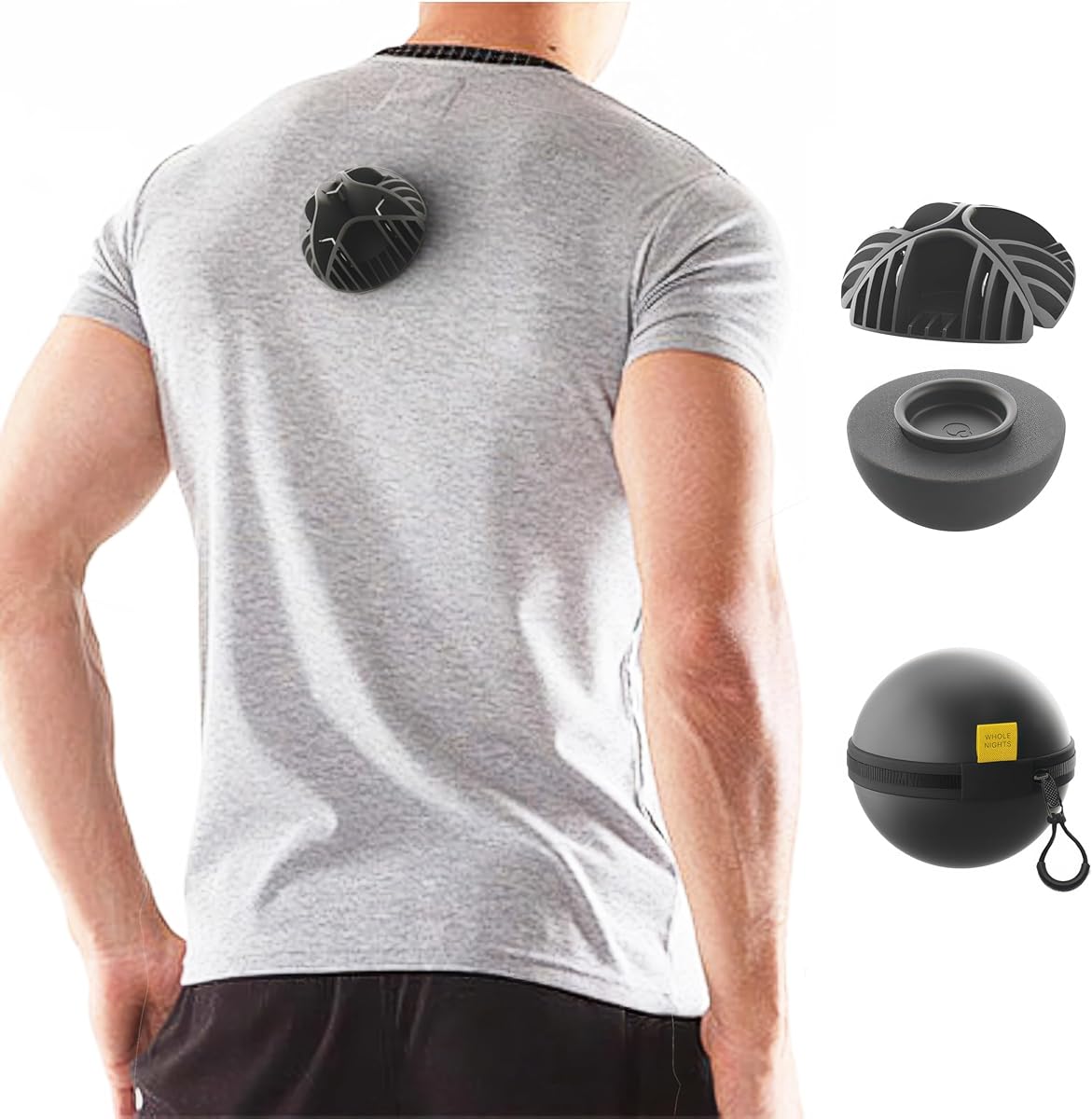
Evaluating Positional Therapy Devices: What Side-Sleeping Aids Actually Deliver
The Calma Clip v2 represents a specific category of snore reduction: positional therapy devices that discourage back sleeping. Unlike mandibular advancement devices or nasal dilators, this product works by creating physical discomfort when you roll onto your back, training you to maintain a side-sleeping position. Buyers should understand this targets positional snoring specifically, not obstructive sleep apnea.
Key Considerations Before Buying
- Assess whether your snoring is truly positional—do you primarily snore when on your back? This device won't address nasal congestion or tongue-based obstruction.
- Consider attachment security and comfort; the Calma Clip v2 attaches to clothing, so evaluate your typical sleepwear's compatibility with its clip mechanism.
- Evaluate your sleep mobility; if you're an active sleeper who changes positions frequently, the ball's consistent pressure may cause repeated nighttime awakenings.
What Our Analysts Recommend
For positional therapy devices, examine the attachment system's reliability—does it stay secured through movement without damaging fabric? Check the pressure mechanism: the ball should be firm enough to provide feedback but not so hard it causes bruising. Quality indicators include adjustable positioning and durable construction that withstands nightly use.
Snore Reducing Aids Market Context
Market Overview
The positional snoring device market has expanded beyond traditional tennis-ball-in-a-t-shirt solutions to include wearable clips, vibrating alarms, and smart pillows. These products occupy a middle ground between simple DIY remedies and clinical CPAP machines, appealing to those seeking non-invasive solutions for back-sleeping snoring.
Common Issues
Users frequently report devices detaching during sleep, causing insufficient feedback to maintain side positioning. Others find the discomfort level either too mild to be effective or so severe it disrupts sleep entirely. There's also variability in how different body types respond to the same pressure point location.
Quality Indicators
Look for devices with multiple attachment options and adjustable ball positioning to customize for your body shape. Higher-quality products use medical-grade silicone or foam balls rather than hard plastic, reducing bruising risk. Effective designs allow micro-adjustments to target the precise spot between shoulder blades where back-rolling begins.
Review Authenticity Insights
Grade B Interpretation
A Grade B authenticity rating with 15% estimated fake reviews suggests generally reliable feedback with some promotional manipulation. The adjusted rating of 3.70/5 (down from 4.00/5) indicates genuine reviews are slightly less enthusiastic than the overall average suggests.
Trust Recommendation
Focus on reviews that describe specific adaptation periods—genuine users typically mention 3-7 nights of adjustment. Be skeptical of reviews claiming immediate, miraculous results without mentioning any discomfort during the acclimation phase common to positional therapy.
Tips for Reading Reviews
Prioritize reviews discussing sleepwear compatibility, specific attachment points used (pajama collar vs. shirt back), and partner-reported snoring reduction rather than self-assessments. Look for mentions of how the device performs during different sleep stages, as effectiveness often varies between light and deep sleep.
Expert Perspective
The Calma Clip v2's 3.70 adjusted rating reflects typical positional therapy device performance—effective for some but not universal. The authenticity analysis showing predominantly genuine reviews with specific usage details suggests the feedback accurately represents real-world experiences. This device appears most suitable for dedicated back sleepers whose partners confirm positional snoring patterns, rather than those with mixed-position habits or complex snoring causes.
Purchase Considerations
Weigh the convenience of a clip-on device against potential sleep disruption during the adaptation period. Consider whether you'll consistently wear clothing with appropriate attachment points, as effectiveness depends entirely on nightly use. The moderate fake review percentage suggests checking multiple verified purchase reviews across different time periods to identify consistent performance patterns.
Comparing Alternatives
Shoppers should compare with similar positional trainers like wearable bands with back pads or smart devices that vibrate when detecting supine positioning.


