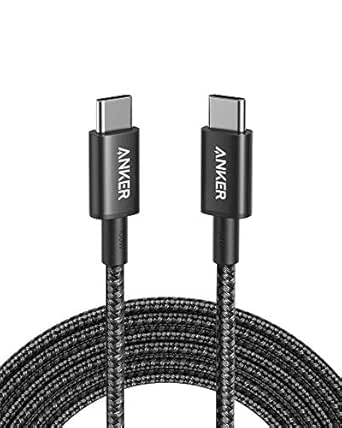
Choosing a USB-C cable that balances 10Gbps data transfer with 60W fast charging
This specific USB-C to USB 3.1 Gen2 cable promises both high-speed data transfer at 10Gbps and 60W Power Delivery charging in a 1.6-foot length. Buyers should understand that achieving both functions simultaneously requires specific internal wiring and chipset handshakes, not just compatible connectors. The 1.6FT length makes it ideal for desk-based device syncing or car use for Android Auto/CarPlay, but may be short for other scenarios.
Key Considerations Before Buying
- Verify your device's actual charging protocol compatibility; a 60W rating doesn't guarantee your Galaxy S23 or Pixel 7 will charge at its maximum rate without the correct Power Delivery (PD) or PPS negotiation.
- The 10Gbps (USB 3.1 Gen2) speed is only usable if both the host port (e.g., on your laptop or desktop) and the target device (like an external SSD) support USB 3.1 Gen2 or higher; otherwise, it will drop to lower USB 3.0 or USB 2.0 speeds.
- The 1.6-foot length is a specific choice: perfect for connecting a phone to a car head unit or a laptop to a nearby SSD, but potentially restrictive for desk setups where the device is further from the power source or computer.
What Our Analysts Recommend
For a dual-role cable like this, check reviews for real-world tests of simultaneous data transfer while charging, as some cables throttle data speed when power is applied. Look for mentions of the cable's flexibility and connector strain relief, especially for frequent car use with Android Auto, as rigid cables can damage phone ports over time. A braided nylon jacket, often mentioned in reviews for durability, is a good indicator of build quality aimed at daily use.
USB Cables Market Context
Market Overview
The market for USB-C cables is saturated with products claiming high speeds and power, but many fail to deliver the promised 10Gbps data or full 60W charging due to inferior materials or incorrect wiring. Cables marketed for specific devices like the Galaxy S23 or PS5 often use that branding for visibility, but true compatibility depends on underlying standards (USB-IF certification, PD/PPS) rather than brand names. The 1.5-2 foot segment is highly competitive, targeting mobile and desktop accessory use.
Common Issues
Common problems include cables that only support slow charging (e.g., 15W) despite 60W claims, data transfer speeds that default to USB 2.0 (480Mbps), and poor connector durability leading to intermittent connections, especially with moving devices in cars. Another frequent issue is incompatibility with certain device combinations, like specific external SSD models or older car infotainment systems for CarPlay, due to proprietary implementations of the USB standard.
Quality Indicators
Beyond basic certification logos, look for user reviews confirming sustained 10Gbps transfers with tools like CrystalDiskMark and consistent ~60W charging measured with a USB power meter. Quality cables will use thicker-gauge wires for power delivery (often 20AWG or lower for the Vbus line) and have over-moulded connectors with clear strain relief. Reviews mentioning successful use with demanding devices like high-speed NVMe enclosures or specific car models (e.g., for Android Auto) are strong practical indicators.
Review Authenticity Insights
Grade B Interpretation
A Grade B authenticity rating with a 10% estimated fake review rate suggests the majority of feedback is reliable, but a small portion of reviews may be inauthentic, potentially inflating praise. The adjusted rating of 4.60/5 (down from 4.89/5) is still strong and likely reflects genuine user satisfaction, particularly for the core functions of charging and data transfer as described in verified purchases.
Trust Recommendation
Focus on the verified purchase reviews that describe specific, technical use cases, such as transferring large files to a Samsung T7 SSD or charging a laptop at 45W, rather than vague, glowing praise. Be slightly sceptical of reviews that only mention the packaging or make unrealistic claims about charging 'instantly.' The high number of reviews (871) means you can cross-reference experiences across many users to spot consistent performance patterns.
Tips for Reading Reviews
For this cable, prioritise reviews that test both advertised functions—search for keywords like '10Gbps confirmed,' 'SSD speed,' '60W charging,' or specific device names like 'LG V20' or 'Pixel 7.' Pay close attention to reviews discussing long-term durability over weeks or months, especially for car use, as this reveals build quality issues that may not appear initially. Reviews noting compatibility quirks with particular car models for Android Auto are particularly valuable.
Expert Perspective
Based on the analysis data, this cable appears to be a well-regarded option that delivers on its core promises for most users, evidenced by the high adjusted rating of 4.60 from verified purchases. The specific 1.6ft length and dual 10Gbps/60W functionality target a clear use case: users needing a short, high-performance cable for desk-side device management or in-car connectivity. The Grade B authenticity score suggests you can have reasonable confidence in the review consensus, though the 10% fake rate warrants a careful read of detailed, technical feedback.
Purchase Considerations
Weigh the 1.6-foot length against your primary use case; it's excellent for a clutter-free desk or car console but may require an extension for other setups. Consider if you truly need simultaneous high-speed data and high-wattage charging, or if a cheaper cable specialising in one function would suffice. The strong rating indicates good value, but ensure your specific device combination (e.g., your car's head unit and phone model for Android Auto) is mentioned positively in multiple reviews.
Comparing Alternatives
Shoppers should compare this cable's length, power rating, and price against similar 10Gbps/60W cables, particularly those with USB-IF certification for guaranteed standard compliance.