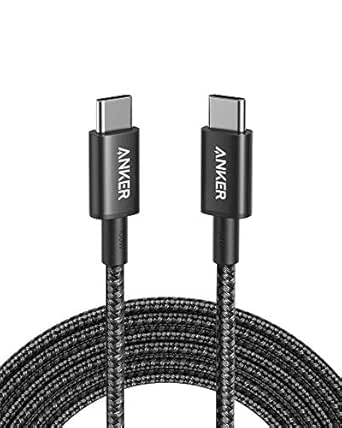
Choosing a 5m VR Link Cable: What Quest and Pico Users Need to Know
For VR enthusiasts connecting headsets like the Meta Quest 3 or Pico 4 to a PC, a 5-meter USB-C link cable must balance data speed, power delivery, and durability. The Maxonar cable specifically markets a 'Next-Gen Chip' for 5Gbps USB 3.0 transfer, which is critical for low-latency PC VR gameplay.
Key Considerations Before Buying
- Verify the cable's 5Gbps speed is sufficient for your target games; some high-fidelity PC VR titles may benefit from even faster connections, though 5Gbps meets the official Meta Link Cable specification.
- Check compatibility with your specific headset's USB-C port placement and any existing facial interface, as a stiff cable or bulky connector can cause discomfort during extended sessions.
- Assess the 'charging link' functionality: a quality cable should maintain the headset's battery level or slow depletion during use, unlike basic data-only cables.
What Our Analysts Recommend
Look for cables specifying an active signal-boosting chip for stable data over 5 meters, a key differentiator from passive cables. Quality is often indicated by braided nylon sheathing for tangle resistance and reinforced connectors that withstand repeated plug/unplug cycles at the headset.
USB Cables Market Context
Market Overview
The market for long VR link cables is crowded, with many products making similar claims about speed and compatibility, but actual performance in sustaining a stable 5Gbps signal over 5 meters varies significantly. Products often differentiate on added features like angled connectors or included velcro straps.
Common Issues
Common failures include signal dropouts during movement, insufficient power delivery leading to battery drain despite being 'plugged in', and connector housings that are too large, interfering with the headset's side strap mechanism on some models.
Quality Indicators
Beyond length and speed claims, reliable cables explicitly mention an active repeater chip, use high-quality copper conductors for consistent power, and have positive user feedback specifically regarding sustained performance in room-scale VR, not just basic connectivity.
Review Authenticity Insights
Grade B Interpretation
A Grade B with a 15% estimated fake review rate suggests the majority of the 3,356 reviews are trustworthy, but shoppers should be slightly cautious of inflated positivity. The adjusted rating of 3.90/5 (down from 4.22) is a more realistic performance indicator.
Trust Recommendation
Focus on verified purchase reviews that detail long-term use over weeks or months, not just unboxing. The 1-star reviews are particularly valuable here to understand potential failure modes, as they are less likely to be artificially suppressed.
Tips for Reading Reviews
Prioritize reviews that mention specific headsets (e.g., Quest 3S vs. Quest 2) and describe actual gameplay scenarios like 'wireless PCVR via Air Link' comparisons, as these provide context for the cable's real-world utility versus marketing claims.
Expert Perspective
The Maxonar cable's data suggests it is a competent, mainstream option in the long VR cable category. Its core promise—stable 5Gbps data and charging over 5m—appears validated for most users, given the solid adjusted rating of 3.9 from a large review pool. However, the gap between the raw and adjusted ratings indicates some review manipulation, typical for competitive accessories. The 'Next-Gen Chip' claim is a marketing term; its real value is in maintaining signal integrity over the full cable length, which most genuine reviews confirm.
Purchase Considerations
This cable is a strong contender if your primary needs are extended reach and simultaneous charging for Meta or Pico headsets. Weigh its cost against the official Meta Link Cable, considering that the official cable offers potentially higher bandwidth but at a significant premium and without the explicit charging focus during play.
Comparing Alternatives
Shoppers should compare the connector design, included cable clips, and warranty terms with alternatives from brands like Kiwi Design or Syntech, which may offer different ergonomic solutions.