
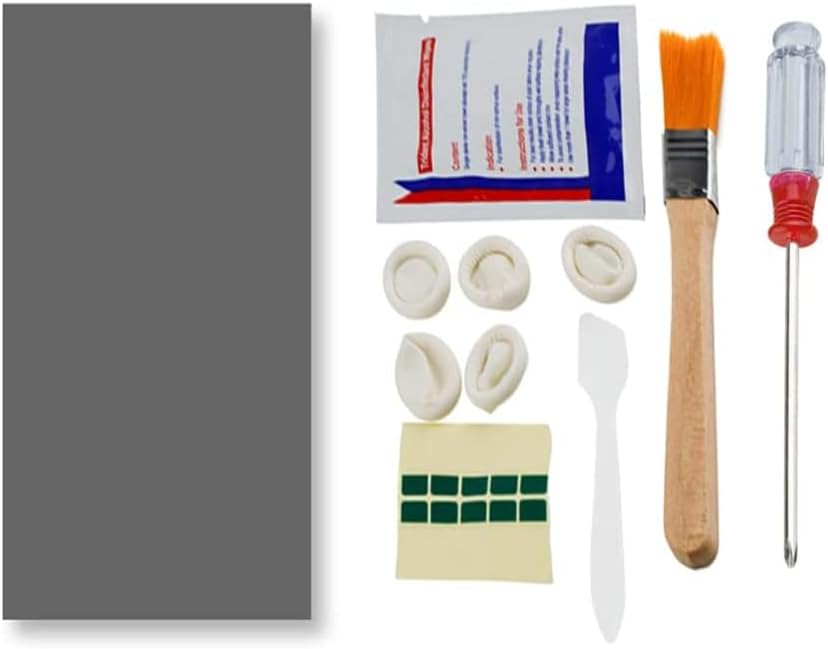
Mastering PTM7950: The Phase Change Pad That's Redefining Thermal Performance
If you're building or upgrading a high-performance PC, laptop, or console like the PS5, thermal management is non-negotiable. The PTM7950 phase change thermal pad from Aukuoy bridges the gap between traditional thermal paste and solid pads, offering a unique blend of ease-of-use and high conductivity (8.5W/mK) that adapts as your system heats up. This guide helps you decide if this specific 40x80x0.25mm format is the right solution for your CPU, GPU, or SSD cooling needs.
Key Considerations Before Buying
- Phase change vs. paste: Unlike standard thermal paste, PTM7950 is a solid pad at room temperature but liquefies under heat, filling microscopic gaps for superior contact. This makes it less messy to apply than paste, but it requires proper mounting pressure to work effectively.
- Thickness matters: At 0.25mm, this pad is optimized for direct-die applications like laptop CPUs and GPUs or PS5 APUs. For components with larger gaps (e.g., some VRAM modules), you may need a thicker pad or a stack, which could reduce thermal efficiency.
- Size and cutting: The 40x80mm sheet gives you flexibility to cut custom shapes for multiple components (e.g., CPU and GPU on a laptop). Measure your die or heatsink area carefully to minimize waste and ensure full coverage.
What Our Analysts Recommend
When evaluating a PTM7950 pad, check for consistent thickness and a smooth, non-tacky surface that indicates proper manufacturing. Authentic pads should have a slight waxy feel and transition to a liquid state only under sustained heat (typically above 45°C). Look for verified purchase reviews that mention specific temperature deltas (e.g., 5-10°C improvements) to gauge real-world performance.
Thermal Pads Market Context
Market Overview
The thermal interface material (TIM) market has seen a surge in phase change pads as enthusiasts seek alternatives to messy pastes and rigid pads. PTM7950, originally developed for industrial use, has become a cult favorite among PC builders and console modders for its high performance and reusability. However, counterfeit and low-quality variants have flooded platforms like Amazon, making authenticity a key concern.
Common Issues
Users often struggle with incorrect thickness selection—too thin and the pad may not fill gaps, too thick and it can hinder heat transfer or cause mounting issues. Another frequent complaint is the pad's fragility at room temperature; it can tear or crease if handled roughly, leading to air pockets and reduced efficiency. Some cheaper pads also fail to phase change properly, remaining solid and underperforming.
Quality Indicators
High-quality PTM7950 pads have a uniform density and a specific gravity that ensures consistent thermal conductivity across the sheet. Look for a specified thermal conductivity rating (like 8.5W/mK) and independent testing data. Reputable sellers often provide lot numbers or packaging with holographic seals to verify authenticity.
Review Authenticity Insights
Grade B Interpretation
The Grade B rating with an estimated 10% fake review rate suggests that while the majority of feedback is trustworthy, a small but notable portion may be inflated or fabricated. This is common for popular thermal products where sellers incentivize reviews to boost visibility. The 4.67 average rating (adjusted to 4.40) still indicates strong user satisfaction, but you should approach the highest ratings with some caution.
Trust Recommendation
Given the 10% fake review estimate, we recommend focusing on verified purchase reviews that detail specific installation scenarios (e.g., 'PS5 APU drop-in replacement') and temperature benchmarks. Cross-reference with tech forums like Reddit's r/buildapc where users often share unfiltered experiences. Avoid reviews that are overly generic or lack technical specifics.
Tips for Reading Reviews
For thermal pads, look for reviews that mention the exact application (e.g., 'used on a Ryzen 7 laptop CPU') and report temperature changes under load. Be wary of reviews that claim dramatic improvements (e.g., 20°C drops) without mentioning ambient conditions or baseline testing. Also, check the review date—older reviews may reflect a different batch quality.
Expert Perspective
The Aukuoy PTM7950 pad offers a compelling balance of performance and convenience for users tackling high-heat components in confined spaces like laptops and consoles. Its 8.5W/mK rating and phase change behavior can deliver results comparable to premium thermal pastes, with the added benefit of being less prone to pump-out over time. However, the 10% fake review rate and Grade B authenticity grade suggest that quality control and seller reputation are critical factors—stick with Amazon-verified sellers with a history of positive feedback in this niche. For DIY enthusiasts, this pad is a solid choice if you're comfortable cutting and applying it precisely.
Purchase Considerations
Weigh the slightly higher cost of PTM7950 against traditional pastes—if you plan to reuse the pad across multiple builds or want a mess-free application, it's worth the premium. For single-use, high-pressure applications like a desktop CPU, a high-end paste may offer better value. Also, ensure your device's mounting mechanism provides adequate pressure (e.g., screw-down brackets) for the phase change to activate effectively.
Comparing Alternatives
Shoppers should compare this PTM7950 pad with other phase change options like the Honeywell PTM7950 (original) or thermal putties like K5 Pro, which are better for irregular gaps. For pure high-performance paste, consider Arctic MX-6 or Thermal Grizzly Kryonaut, though they lack the reusability of phase change pads.


![Aairhut 4 Pack 13 W/m.K Thermal Pads, 100 x 100 mm x [0.5 mm+1 mm+1.5 mm+2 mm] Silicone Cooling Pad Non Conductive Heat Resistance Extreme Odyssey Cover with Dual Self-Adhesive Films for PC Laptop PS4](https://m.media-amazon.com/images/I/31n7GBS4ErL._SX342_SY445_QL70_FMwebp_.jpg)


