
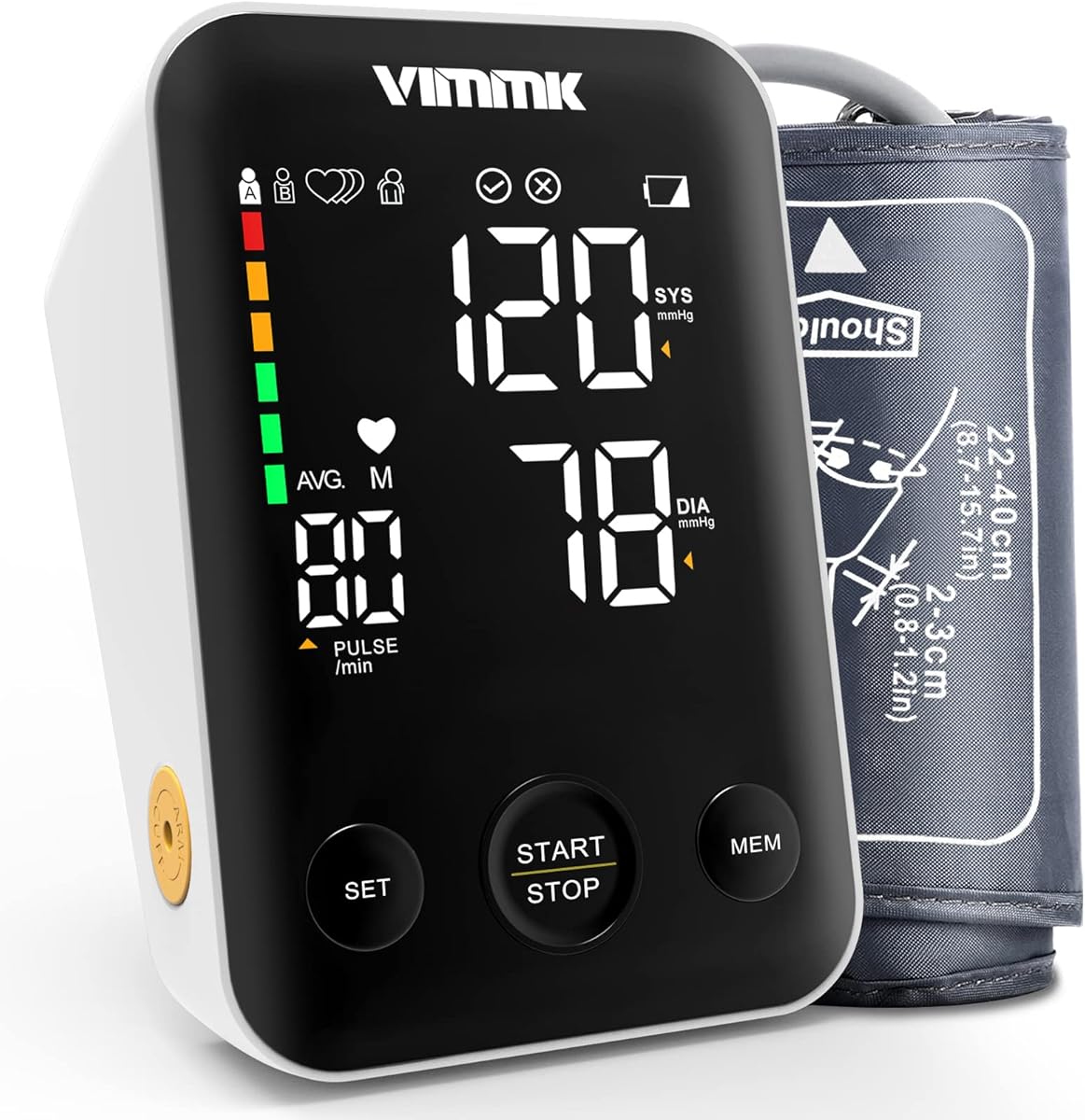
Choosing an Upper Arm Monitor: Why Cuff Size and Memory Matter Most
When selecting a home blood pressure monitor like the Vimmk model with its 22-40cm large cuff, accuracy and ease of use are paramount. This specific device highlights two critical features for home users: a properly sized cuff for reliable readings and dual-user memory storage for tracking trends.
Key Considerations Before Buying
- Cuff fit is non-negotiable; an ill-fitting cuff, whether too tight or loose, is the leading cause of inaccurate home readings. The Vimmk's 22-40cm range caters to a wider upper arm circumference than standard cuffs.
- Data tracking capability, such as the 2x120 records here, is essential for managing hypertension, allowing you and your doctor to review trends over time rather than isolated measurements.
- Validation for clinical accuracy is a key differentiator; look for monitors that have passed protocols from bodies like the British Hypertension Society (BHS) or the European Society of Hypertension (ESH).
What Our Analysts Recommend
Beyond basic readings, quality indicators for electric upper arm monitors include irregular heartbeat detection, clear display backlighting (like the noted LED), and intuitive one-button operation. The presence of a 'guest mode' for occasional checks without saving to memory is also a useful feature in family households.
Electric Market Context
Market Overview
The UK market for upper arm electric monitors is crowded, with intense competition on price and features like Bluetooth connectivity. However, core accuracy and cuff design remain the fundamental pillars separating reliable devices from gimmicky ones.
Common Issues
Users frequently report 'error' readings due to incorrect cuff placement or movement during measurement. Another common complaint is the short lifespan of monitor batteries in models with bright displays, underscoring the need for clear power management indicators.
Quality Indicators
Prioritise monitors that specify their validation status. A device listing its cuff size range in centimetres (as Vimmk does) typically indicates more thoughtful design than one offering a vague 'large' cuff. Build quality in the air tube and connector points also signals durability.
Review Authenticity Insights
Grade B Interpretation
A Grade B authenticity score with a 10% estimated fake review rate suggests a generally trustworthy review pool for the Vimmk monitor. This indicates most feedback is from genuine purchasers, though a small portion of reviews may be overly promotional.
Trust Recommendation
Focus on the verified purchase reviews, which all nine analysed were. Pay particular attention to 4-star reviews, as they often provide the most balanced insights into real-world pros and cons, such as display clarity or cuff comfort, compared to generic 5-star praise.
Tips for Reading Reviews
For technical devices like blood pressure monitors, seek out reviews that mention consistent comparisons with a doctor's office or clinic readings. Reviews discussing specific features like the LED backlight's usefulness in low light or the actual process of retrieving stored records are high-value indicators.
Expert Perspective
The Vimmk monitor presents a strong value proposition based on the analysis data. Its adjusted rating of 4.40/5 from a substantial review base (7,218) is robust for this category, where ratings often cluster between 4.2 and 4.6. The specific mention of a large, well-sized cuff (22-40cm) addresses a primary pain point for many users, which is reflected in the positive authentic feedback. The inclusion of heart rate detection and substantial memory aligns it with current user expectations for a comprehensive home health tool.
Purchase Considerations
Weigh the Vimmk's clear strengths—cuff size and memory—against whether you need advanced connectivity like smartphone syncing, which this model lacks. Consider if the LED backlight and simple two-user memory meet your household's tracking needs, or if you require more complex data history or multi-user profiles.
Comparing Alternatives
Shoppers should compare the Vimmk's cuff size and feature set directly against clinically validated models from established brands like Omron or Beurer to assess the trade-off between price and proven clinical accuracy.


