Choosing a Certified HDMI 2.1 Cable: What Actually Matters
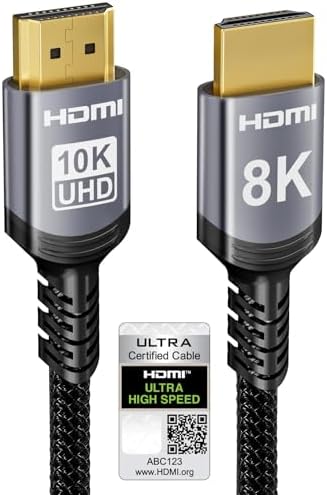
The Sniokco 10K 8K 4K HDMI 2.1 Cable 2M promises 48Gbps bandwidth and 'Ultra High Speed' certification, which matters if you're running a PS5, Xbox Series X, or high-refresh gaming monitor. But HDMI 2.1 cables are an area where certification claims and real-world performance don't always align, so it pays to know what you're buying.
Key Considerations Before Buying
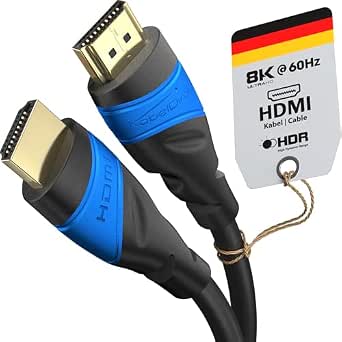
- Bandwidth and certification: True Ultra High Speed HDMI cables must pass the official certification programme to guarantee 48Gbps, which is what enables 4K at 120Hz and 8K at 60Hz. Look for the certification hologram or verify the cable's registration, as uncertified cables often cap out at 18Gbps despite marketing claims.
- Length vs. performance: At 2 metres, passive copper HDMI 2.1 cables can generally sustain full 48Gbps without signal degradation, but longer runs (3m+) increasingly rely on active or fibre-optic designs. This 2M length sits in the sweet spot where you get full bandwidth without needing active electronics.
- Connector and build quality: HDMI 2.1 ports are tighter and the higher bandwidth is less tolerant of poor shielding or loose fits. Look for gold-plated connectors, strain relief, and reviews mentioning long-term durability rather than just out-of-box performance.
What Our Analysts Recommend
Prioritise cables that explicitly state 'Ultra High Speed HDMI' certification and show the certification logo or QR code, as this is the only reliable guarantee of 48Gbps. Check that the cable supports the specific features you need—eARC, VRR, ALLM—since not all certified cables implement every optional HDMI 2.1 feature. Finally, read reviews from users with similar equipment (e.g., PS5, LG C-series TVs) to confirm real-world compatibility.
HDMI Cables Market Context
Market Overview
The HDMI 2.1 cable market is flooded with inexpensive, uncertified cables that claim 8K or 10K support but fail to deliver full 48Gbps bandwidth, leading to dropped signals or reduced refresh rates. Genuine certified cables typically cost more due to testing and licensing, but they provide reliability for high-end setups. As more devices adopt HDMI 2.1, demand has grown, yet confusion between 'HDMI 2.1 compatible' and 'certified Ultra High Speed' remains widespread.
Common Issues
A frequent problem is cables that work at 4K 60Hz but fail at 4K 120Hz or 8K, often due to insufficient shielding or substandard conductors. Another issue is misleading marketing: some cables claim HDMI 2.1 features but lack the bandwidth to support them. Physical durability is also a concern, with cheap connectors corroding or loosening over time, causing intermittent signal loss.
Quality Indicators
The clearest quality indicator is official Ultra High Speed HDMI certification, which requires passing a stringent test at 48Gbps. Look for cables that specify the exact features supported (e.g., eARC, VRR) and use 24AWG or thicker copper conductors for passive runs. Customer reviews that mention specific resolutions and refresh rates, rather than vague praise, are more trustworthy.
Review Authenticity Insights
Grade B Interpretation
A Grade B authenticity rating with an estimated 15% fake reviews suggests that while most reviews are genuine, a noticeable minority may be manipulated. The adjusted rating of 4.50/5 (down from 4.89) indicates that after filtering out suspicious reviews, the product still performs well, but the high volume of reviews (21,259) means some noise is inevitable.
Trust Recommendation
Given the Grade B rating, it's worth reading reviews with a critical eye, especially those that are overly brief or generic. Focus on reviews that describe specific technical setups (e.g., 'works perfectly with PS5 at 4K 120Hz') and check for patterns of complaints about durability or compatibility. The adjusted rating of 4.50 is still strong, so the product is likely reliable for most users.
Tips for Reading Reviews
When evaluating HDMI cables, prioritise reviews that mention the exact devices and resolutions used, as these provide concrete evidence of performance. Be wary of reviews that simply say 'great cable' without context, as they may be incentivised. Also, look for reviews posted after extended use (e.g., 'after 6 months') to gauge long-term reliability.
Expert Perspective
The Sniokco Certified HDMI 2.1 Cable appears to be a solid choice for most consumers, with a high adjusted rating and a large volume of reviews suggesting broad satisfaction. The 2M length is ideal for typical TV-to-console or PC-to-monitor connections, and the 48Gbps certification means it should handle 4K 120Hz and 8K 60Hz without issue. However, the presence of some fake reviews warrants caution, though the overall sentiment remains positive.
Purchase Considerations
Before buying, confirm that your devices actually support HDMI 2.1 features, as the cable won't add capabilities your TV or console lacks. Also, consider whether you need a longer cable; if so, you may need an active or fibre-optic option. Finally, check the return policy in case of compatibility issues, as HDMI 2.1 can sometimes be finicky with certain hardware combinations.
Comparing Alternatives
While this cable seems reliable, it's wise to compare with other certified Ultra High Speed HDMI cables from brands like Belkin or Zeskit, especially if you need specific features or longer lengths. Reading professional reviews and user comparisons can help you find the best fit for your setup.