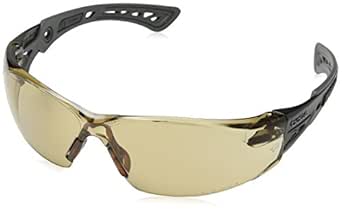
Choosing Laser Safety Glasses: Wavelength Protection and Fit Are Critical
When selecting laser safety glasses for DIY hair removal or workshop use, the specific wavelength protection is non-negotiable. The FreeMascot glasses are rated for 405nm, 445nm, 650nm, and infrared, which covers many common diode and red lasers, but you must verify this matches your equipment's exact output. The adjustable temple design is a practical feature for achieving the necessary light seal against your face.
Key Considerations Before Buying
- Verify the Optical Density (OD) rating for each protected wavelength; a high OD (e.g., OD 4+) is essential for blocking harmful laser energy, not just filtering visible light.
- Assess frame coverage and wrap-around design; glasses like these with side protection help prevent stray reflections from reaching your eyes from oblique angles.
- Consider the lens tint's impact on your task; the green lenses here will alter color perception, which may be fine for hair removal but problematic for detailed electronics work.
What Our Analysts Recommend
Look for clear labeling of the exact wavelengths and corresponding Optical Density, as vague claims like 'for lasers' are insufficient. A secure, adjustable fit with no light gaps at the temples or nose bridge is a key quality indicator, as is robust hinge construction to maintain alignment over time.
Safety Glasses Market Context
Market Overview
The market for consumer-grade laser safety glasses is crowded with products making broad claims, often with significant variance in actual protective capability. Products are typically segmented by protected wavelength ranges, with glasses for common blue/violet (405-450nm) and red (650nm) diodes being most prevalent for home use.
Common Issues
A frequent problem is glasses that provide inadequate Optical Density, offering more of a filter than true protection. Another is poor frame ergonomics that create light leaks, compromising safety, or fragile hinges that break with regular adjustment.
Quality Indicators
Quality is indicated by specific, tested wavelength/OD data from the manufacturer, not just marketing copy. Durable, flexible frame materials (like the adjustable temples on this model) and certified markings (like CE or ANSI Z87.1, if applicable) are stronger signals than a high Amazon rating alone.
Review Authenticity Insights
Grade B Interpretation
A Grade B with an 11% estimated fake review rate suggests the majority of feedback is trustworthy, but a notable portion of reviews may be inauthentic. For a safety-critical product, this underscores the need to scrutinize reviews for technical details rather than generic praise.
Trust Recommendation
Prioritize reviews that discuss specific use cases (e.g., 'used with my 445nm laser engraver') and mention long-term durability or fit issues. Be cautious of reviews that only praise packaging or delivery speed, as these are common in incentivized feedback.
Tips for Reading Reviews
Focus on verified purchase reviews that describe actual laser parameters and whether the glasses darkened appropriately. Look for mentions of 'light leak' or 'comfort during extended wear,' as these are genuine user experiences not typically faked.
Expert Perspective
The FreeMascot glasses present a strong value proposition based on the authentic review core, with a high adjusted rating of 4.5/5 from credible users. Their specified wavelength coverage is directly relevant for popular DIY laser tools and home hair removal devices. The adjustable temple is a significant functional advantage often missing in this price segment, addressing a common fit complaint. However, the lack of a published Optical Density rating in the product title or key specs requires potential buyers to seek this critical data from Q&A or manufacturer details.
Purchase Considerations
Decide based on a confirmed match between the glasses' 405nm, 445nm, 650nm, and IR protection and your laser's exact output wavelength and power class. The adjustable frame is a major plus if you have a narrower or wider face, but ensure the lens tint (green) is acceptable for your visual task requirements.
Comparing Alternatives
Always compare the specified wavelength protection and frame design with other options, as minor differences can significantly impact safety and usability.