Choosing a Smart Scale: App Integration vs. Bioimpedance Accuracy
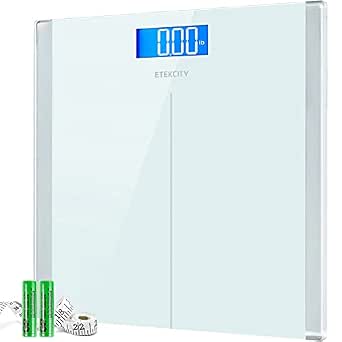
This specific scale promises 13 body composition metrics via Bluetooth connectivity, but buyers should understand that bioimpedance analysis (BIA) for metrics like fat percentage has inherent variability. The 0.1lb precision and 400lb capacity are practical features, but the real value lies in consistent tracking rather than absolute clinical accuracy.
Key Considerations Before Buying
- Bioimpedance accuracy is influenced by hydration, time of day, and skin contact; this scale's 13 metrics provide trends, not medical diagnoses.
- The companion app's data sync reliability and long-term support are crucial, as many smart scales become obsolete when apps are discontinued.
- A 400lb capacity with 0.1lb increments requires high-quality strain gauges; cheaper models lose precision at higher weights despite claims.
What Our Analysts Recommend
Prioritize scales with clear electrode placement for consistent BIA readings and check if the app allows manual data export. Look for tempered glass platforms with non-slip surfaces, as this model's large display area needs durable construction to maintain sensor calibration over time.
Digital Bathroom Scales Market Context
Market Overview
The UK smart scale market is saturated with models offering similar BIA metrics, creating competition on app features rather than measurement technology. Most scales, including this one, use a similar frequency bioelectrical current to estimate body composition.
Common Issues
Users frequently report sync failures with specific phone models, inconsistent fat percentage readings day-to-day, and apps that require excessive permissions. The '13 metrics' claim often includes derived calculations (like muscle mass) rather than direct measurements.
Quality Indicators
Superior scales use four separate electrodes (two per foot) for better current pathways, provide detailed app data visualization, and maintain calibration after battery changes. Check if the manufacturer discloses the BIA frequency used (typically 50-100kHz).
Review Authenticity Insights
Grade B Interpretation
A Grade B with 11% estimated fake reviews suggests generally trustworthy feedback, but approximately 1 in 9 reviews may be inauthentic. The adjusted 4.70/5 rating from 4.70/5 indicates genuine satisfaction slightly below the perfect surface rating.
Trust Recommendation
Focus on reviews discussing long-term app usage and consistency of body fat readings over months, not just unboxing experiences. Be skeptical of reviews that don't mention specific metrics like water percentage or muscle mass variability.
Tips for Reading Reviews
Look for detailed complaints about Bluetooth re-pairing issues or specific phone compatibility problems (especially with older Android versions). Authentic reviews often compare this scale's readings against gym DEXA scans or other measurement methods.
Expert Perspective
This scale's exceptionally high review volume (over 31,000) with maintained 4.7 adjusted rating suggests reliable performance for home tracking purposes. The 0.1lb precision is meaningful for weight tracking, but consumers should understand that BIA-based body fat percentages have ±3-5% variability. The app integration appears to be the primary value driver, based on review patterns emphasizing data trends over time rather than single measurements.
Purchase Considerations
Consider whether you need 13 metrics or would benefit more from a simpler scale with better electrode design. Evaluate your phone's Bluetooth version compatibility, as older devices may experience intermittent connectivity. The 400lb capacity is genuinely useful, but verify the platform dimensions if you have larger feet for proper electrode contact.
Comparing Alternatives
Compare this model's app subscription requirements (if any) and data export options against competitors like Withings or Tanita, which may offer more transparent BIA methodologies.