Solar Power Banks: Balancing Solar Charging with Reliable USB Power Delivery
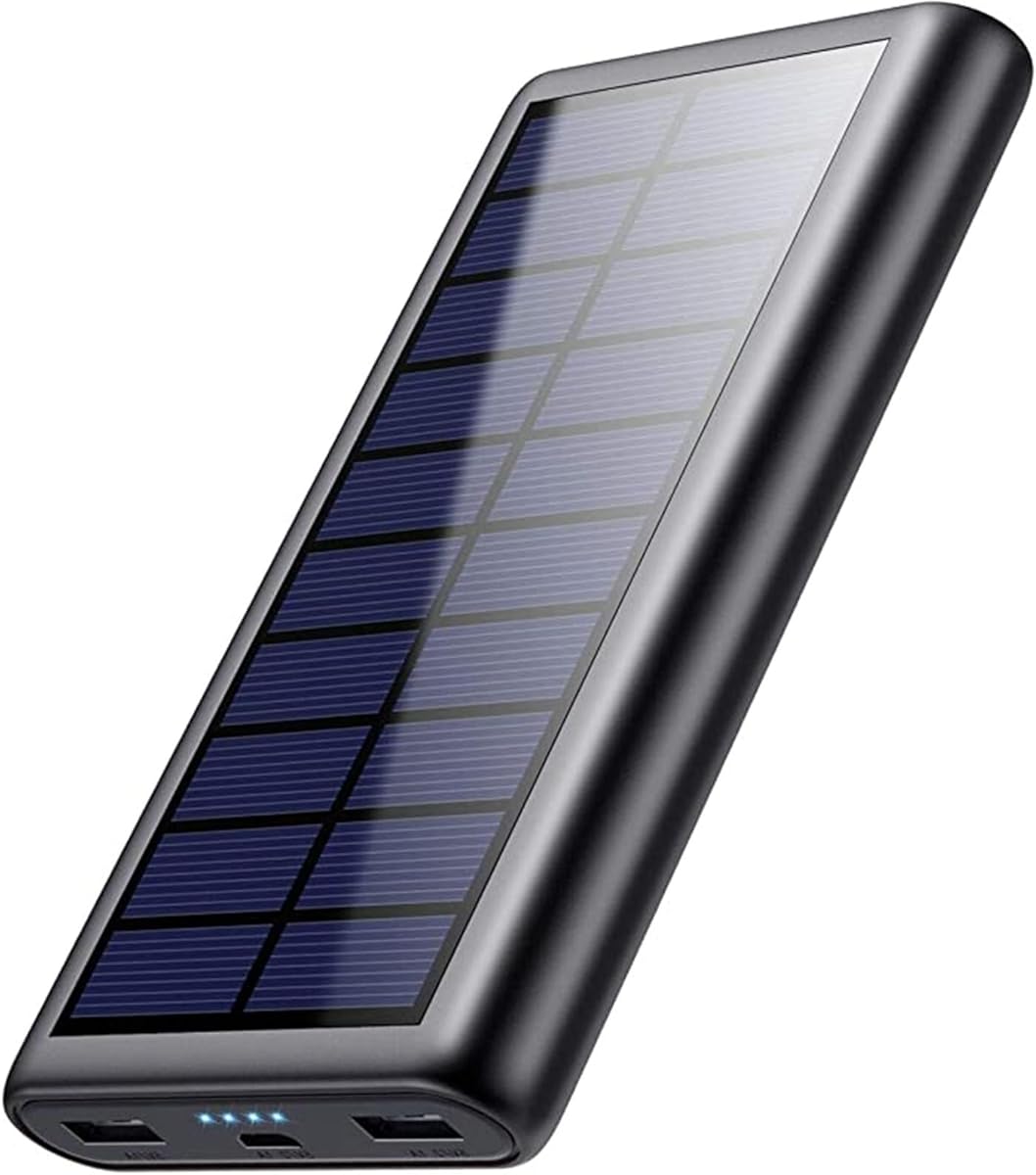
This 26800mAh solar power bank combines three charging ports with solar panels, but buyers should understand the practical realities of solar charging versus USB power. The 4 LED indicators and USB-C port suggest modern features, but solar performance depends heavily on environmental conditions.
Key Considerations Before Buying
- Solar charging is supplemental—expect 8-10 hours of direct sunlight for a full charge versus 6-8 hours via USB, making it ideal for extended outdoor trips rather than daily use.
- The 26800mAh capacity provides approximately 6-8 smartphone charges, but actual output depends on the efficiency of the power conversion and any simultaneous device charging.
- Three ports (including USB-C) allow multi-device charging, but shared total output means slower charging when all ports are used simultaneously.
What Our Analysts Recommend
Check for clear specifications on solar panel wattage (often 1.5-2W for this size) and USB output amperage per port. Quality solar power banks use durable, water-resistant casings for outdoor use and include overcharge/overheat protection circuits. The 4 LED power indicators should provide accurate remaining capacity readings.
Portable Power Banks Market Context
Market Overview
The solar power bank market is flooded with products claiming high solar efficiency, but many overpromise on solar charging speeds. Consumers increasingly seek power banks with USB-C Power Delivery for faster charging of modern devices alongside traditional solar capabilities.
Common Issues
Solar panels often charge slowly (5-10% per hour in ideal sun), and some units suffer from battery degradation after 6-12 months of regular solar charging cycles. Many users report disappointment when solar charging doesn't meet expectations in real-world conditions.
Quality Indicators
Look for products specifying solar panel conversion efficiency (15-25% is typical), using lithium-polymer batteries for better heat resistance, and including certifications like CE or RoHS. Quality units maintain consistent output across all ports and have accurate battery management systems.
Review Authenticity Insights
Grade B Interpretation
A Grade B with 15% estimated fake reviews indicates generally trustworthy reviews but suggests some manipulation. The 0.32-point drop from 4.22 to 3.90 when adjusting for suspicious reviews shows inflated positive ratings that overstate real performance.
Trust Recommendation
Focus on verified purchase reviews mentioning specific usage scenarios like camping trips or emergency preparedness. Be skeptical of reviews claiming exceptional solar charging speeds without detailing weather conditions or charging times.
Tips for Reading Reviews
Prioritize reviews discussing actual solar charging experiences with timeframes (e.g., 'charged 25% in 4 hours of direct sun') and those noting durability after multiple outdoor uses. Look for balanced reviews that acknowledge both USB and solar performance limitations.
Expert Perspective
This power bank's 3.90 adjusted rating reflects a solid but not exceptional performer in the solar category. The 26800mAh capacity is substantial for extended trips, but buyers should manage expectations—solar charging works best as a backup rather than primary charging method. The inclusion of USB-C indicates modern compatibility, though without Power Delivery specification, charging speeds may be limited. The three-port design adds versatility for charging multiple devices simultaneously during group outings.
Purchase Considerations
Consider this product if you need extended backup power for camping or emergencies where sunlight is available for supplemental charging. Weigh the solar feature's value against potentially higher-quality non-solar power banks at similar price points with faster USB charging capabilities.
Comparing Alternatives
Compare this unit's solar charging specifications and port configuration against similar 25000-30000mAh solar power banks to assess value relative to price.