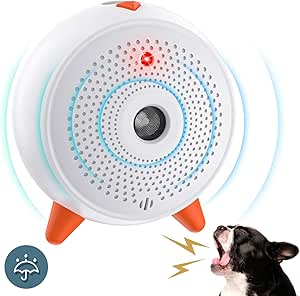
Choosing a Multi-Frequency Ultrasonic Bark Deterrent with Physical Whistle
This specific device combines three adjustable ultrasonic frequencies with a physical whistle, offering both automated and manual intervention options. Unlike single-frequency models, the adjustable settings allow customization for different dog sizes and sensitivities, while the 33-foot range makes it suitable for medium outdoor areas rather than large properties.
Key Considerations Before Buying
- The three frequency settings require experimentation—what works for a small terrier may not affect a large shepherd, and some dogs may habituate to certain frequencies over time.
- The integrated whistle provides manual override when ultrasonic tones fail, but requires consistent human intervention, making this a hybrid rather than fully automated solution.
- With a 33-foot effective range, this device works best for contained yards or specific zones rather than open acreage, requiring strategic placement relative to barking triggers.
What Our Analysts Recommend
For this product category, examine whether the ultrasonic emitter is weather-resistant for outdoor use and check battery life claims—rechargeable units should provide at least 2-3 weeks of continuous operation. The frequency adjustment mechanism should offer distinct, audible differences between settings, not just cosmetic changes.
Sonic Bark Deterrents Market Context
Market Overview
The sonic deterrent market has shifted toward multi-frequency devices as manufacturers recognize that dogs respond differently to various ultrasonic ranges. Recent products increasingly combine automated detection with manual options, acknowledging that no single solution works for all barking scenarios or canine temperaments.
Common Issues
Many users report inconsistent results due to environmental factors—wind, rain, or background noise can interfere with ultrasonic transmission. Another frequent complaint involves dogs learning to ignore specific frequencies after repeated exposure, necessitating frequency rotation or supplemental training methods.
Quality Indicators
Superior devices feature precise frequency controls with clear documentation about which ranges target different dog sizes. Look for models with adjustable sensitivity settings to prevent false triggers from non-bark noises, and verify waterproof ratings for reliable outdoor performance.
Review Authenticity Insights
Grade B Interpretation
A Grade B authenticity rating with 15% estimated fake reviews indicates generally reliable feedback, though approximately 1 in 7 reviews may be artificially positive. The 3.50 adjusted rating (down from 3.78) suggests the authentic experience is slightly less favorable than the overall average implies.
Trust Recommendation
Focus on the verified purchase reviews in multiple languages, particularly those discussing specific frequency settings or range limitations. Be skeptical of reviews claiming universal effectiveness across all dogs without mentioning size, breed, or environmental factors.
Tips for Reading Reviews
Prioritize reviews that detail exactly how they tested different frequencies and placement distances. Look for patterns in negative reviews—if multiple verified buyers mention the same limitation (like reduced effectiveness in rain), that's more credible than isolated complaints.
Expert Perspective
This product's hybrid approach—combining adjustable ultrasonics with a physical whistle—addresses a common limitation of purely automated devices. The 3.50 adjusted rating from authentic reviews suggests moderate effectiveness that varies significantly by dog and environment. The multilingual verified reviews provide credible evidence that it works for some European users but not universally. The device appears best suited for owners willing to experiment with placement and frequency settings rather than expecting plug-and-play perfection.
Purchase Considerations
Consider your dog's specific barking triggers and whether they occur within the 33-foot range. This device requires more owner involvement than advertised—you'll need to monitor which frequency works and when to use the whistle. It's most appropriate for moderate barkers in contained spaces, not for severe separation anxiety or large property coverage.
Comparing Alternatives
Compare this three-frequency model against single-frequency deterrents and consider whether the whistle feature justifies any price premium over fully automated alternatives.