
Liposomal Vitamin C: What French Consumers Should Know About This 1000mg Formula
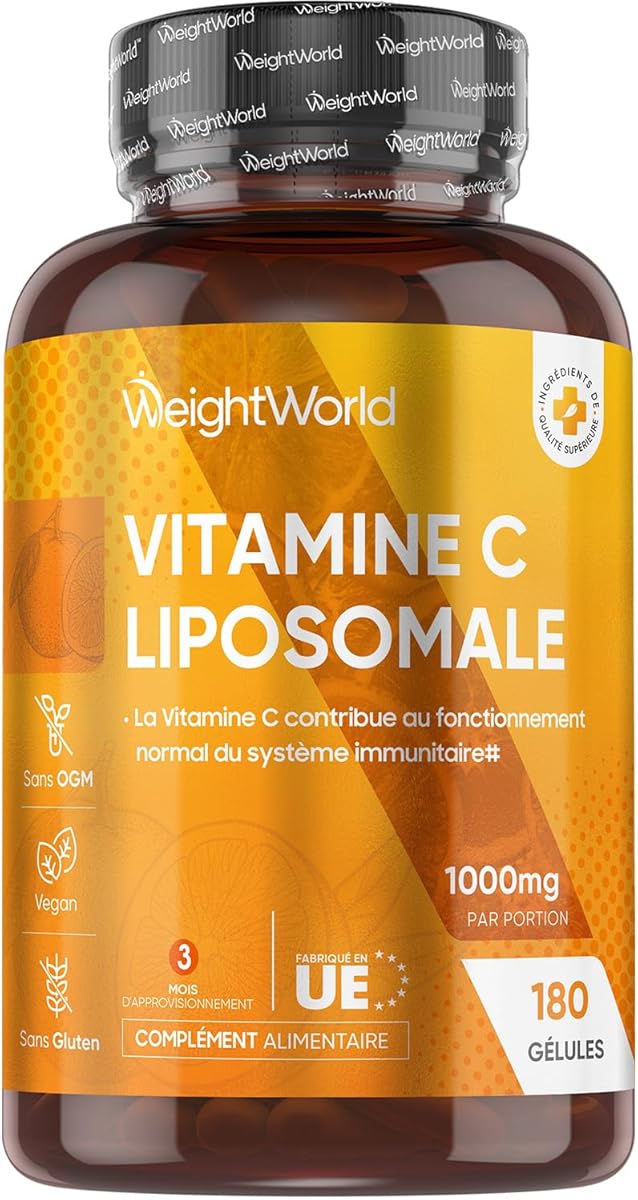
This specific French supplement combines 1000mg of liposomal vitamin C with rosehip extract and sunflower phospholipids in a 180-capsule vegan format. Liposomal encapsulation represents a significant departure from standard ascorbic acid, potentially altering absorption and gastrointestinal tolerance. Buyers should understand how this delivery system interacts with the added cynorrhodon (rosehip) for a potential synergistic effect.
Key Considerations Before Buying
- Liposomal technology uses phospholipids (here, from sunflower) to encase vitamin C, which may enhance bioavailability compared to standard forms, but the clinical significance for general wellness at this 1000mg dose is debated.
- The inclusion of rosehip (églantier) extract provides bioflavonoids and may offer complementary antioxidant support, but the specific extract concentration and standardization are not disclosed in the provided title.
- A 180-capsule supply for '3 months' implies a daily dose of 2 capsules, totaling 2000mg of vitamin C; consumers must assess if this high-potency, long-term regimen aligns with their nutritional goals and any pre-existing health conditions.
What Our Analysts Recommend
For liposomal products, scrutinize the source and percentage of phospholipids—sunflower is a common, quality source. The 'Acide Ascorbique Enrichie' phrasing suggests standard ascorbic acid is the core nutrient, so verify if the liposomal process is applied to the entire dose. True quality indicators include third-party verification of the liposomal delivery claim and transparency about the rosehip extract's potency.
Vitamin C Market Context
Market Overview
The French vitamin C market is saturated with both standard ascorbate and advanced delivery forms like liposomal and ester-C. Liposomal products command a premium price based on absorption claims, making them a competitive segment where ingredient sourcing and manufacturing quality vary widely.
Common Issues
Common concerns include vague labeling about liposomal encapsulation efficiency, undisclosed filler ingredients in capsules, and exaggerated absorption claims not fully supported by independent research. Some products use cheap soy phospholipids instead of higher-quality alternatives like the sunflower used here.
Quality Indicators
High-quality liposomal vitamin C will specify the phospholipid content and source, use non-GMO ingredients (implied by 'tournesol' in France), and often undergo stability testing to ensure the liposomes remain intact. The vegan capsule material is also a marker for broader formulation purity.
Review Authenticity Insights
Grade B Interpretation
A Grade B with an 11% estimated fake review rate indicates a generally trustworthy review profile with moderate manipulation. For a product with over 6,300 reviews, this suggests most feedback is genuine, but a small portion may be incentivized, potentially skewing the impressive 4.67/5 rating downward to a more realistic 4.40/5.
Trust Recommendation
Focus on the verified purchase reviews, which are predominant here. Pay particular attention to 3- and 4-star reviews for balanced insights on efficacy and tolerability, as the high rating may be slightly inflated. The adjusted rating of 4.40 is still strong and likely reflects authentic satisfaction.
Tips for Reading Reviews
Look for reviews that mention specific outcomes over weeks of use, not immediate effects, as vitamin C benefits are cumulative. Reviews discussing gastrointestinal comfort (or lack thereof) with this high-dose liposomal form are especially valuable, as this is a key differentiator from standard ascorbic acid.
Expert Perspective
This product presents a compelling, high-dose option within the French liposomal vitamin C niche. Its combination of a potentially enhanced delivery system with rosehip extract and a vegan, 3-month supply caters to a specific consumer seeking a premium, plant-based regimen. The high volume of verified reviews and sustained high adjusted rating suggest it meets expectations for most users. However, the value proposition hinges entirely on whether the liposomal delivery provides a tangible benefit over more affordable, high-quality ascorbic acid with rosehip for the individual consumer.
Purchase Considerations
Weigh the significant cost premium typical of liposomal forms against your specific need for high-dose vitamin C and sensitivity to standard ascorbic acid. The 2000mg daily dose from two capsules is at the upper end of supplemental intake; consulting a healthcare professional is advisable, especially for long-term use. The 180-capsule bulk purchase is efficient but commits you to a single product for a quarter of a year.
Comparing Alternatives
Shoppers should compare this product's cost-per-dose and phospholipid sourcing with other liposomal options, as well as against high-quality non-liposomal vitamin C with bioflavonoids.


