
Choosing Anti-Snoring Strips: Nasal Dilators vs. Jaw Support Tapes
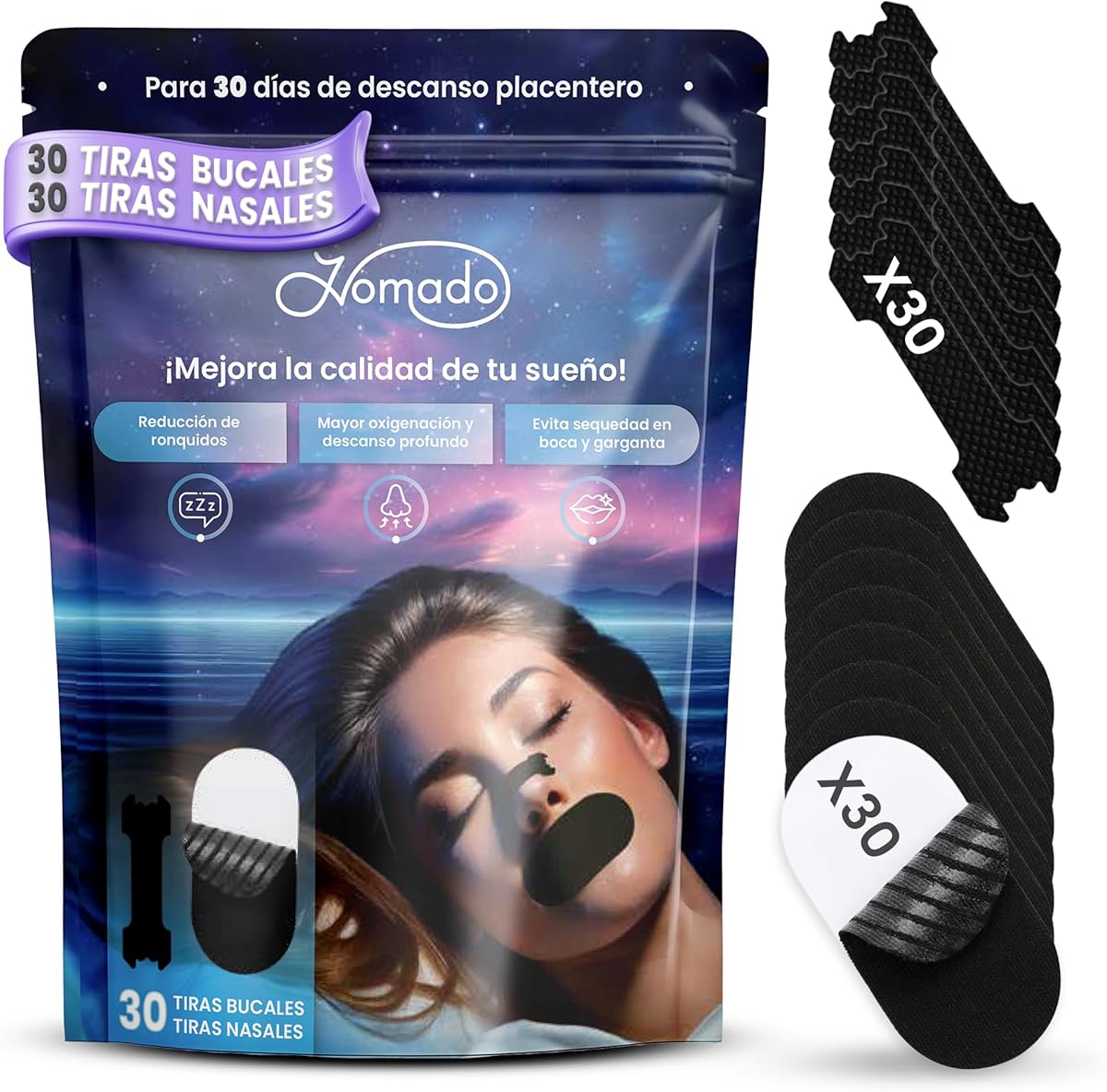
This specific 60-unit pack combines two distinct anti-snoring technologies: nasal strips that physically open nasal passages and chin strips that support the jaw to prevent mouth breathing. Buyers should understand that these address different physiological causes of snoring—nasal congestion versus soft palate vibration from an open mouth. The product's claim of being hypoallergenic and having a soft, durable adhesive is central to its value proposition for nightly use.
Key Considerations Before Buying
- Identify your primary snoring type: nasal strips target restricted airflow through the nose, while chin strips are for 'mouth snorers' whose jaw drops open during sleep.
- Assess adhesive tolerance: despite being hypoallergenic, the long-term nightly application of adhesive to sensitive facial skin requires a gentle formulation to avoid irritation.
- Consider the dual-approach value: this pack offers a trial of both methods, which is useful if you're unsure whether nasal or oral airflow is your main issue.
What Our Analysts Recommend
For nasal strips, quality is indicated by a strong but flexible spring-like bridge that lifts nostrils without excessive pressure. For chin strips, look for a breathable, fabric-like tape that allows some jaw movement without complete restriction. The adhesive should hold securely through 6-8 hours of sleep but remove cleanly without leaving significant residue.
Medication & Treatments Market Context
Market Overview
The over-the-counter anti-snoring device market in Spain is crowded with mechanical aids, from nasal dilators to mandibular advancement devices. This product sits in the external adhesive strip segment, which has grown due to its non-invasive, drug-free approach. Products like this 'Pack antionquidos' compete directly on comfort, adhesion longevity, and value-per-unit in multi-packs.
Common Issues
Users frequently report strips losing adhesion mid-sleep, especially for side-sleepers where pillow contact is constant. Skin irritation from repeated adhesive use is another common complaint, making the hypoallergenic claim a critical differentiator. Inconsistent results also occur when users misapply the strips or use the wrong type for their snoring etiology.
Quality Indicators
High-quality strips use medical-grade, pressure-sensitive adhesive designed for skin, not industrial glue. The backing material should be flexible enough to conform to facial contours without peeling at the edges. Reputable products provide clear application guides that differentiate between nasal and chin strip placement for optimal efficacy.
Review Authenticity Insights
Grade B Interpretation
A Grade B authenticity rating with an estimated 15% fake reviews suggests the majority of feedback is reliable, but shoppers should maintain healthy skepticism. This grade indicates a solid core of verified purchase reviews with specific usage details, though a small portion of ratings may be artificially inflated.
Trust Recommendation
Focus on the 3.80 adjusted rating, which excludes suspicious reviews, as a more accurate performance indicator than the displayed 4.11 average. Pay particular attention to 2-, 3-, and 4-star reviews, as these mid-range ratings often contain the most balanced, detailed experiences about adhesion issues or fit problems.
Tips for Reading Reviews
Look for reviews that specify the user's snoring type (e.g., 'nasal congestion' or 'mouth breathing') and how long the adhesive held. Authentic reviews often mention trial-and-error with placement or compare these strips to other brands they've tried, providing valuable comparative context.
Expert Perspective
This dual-format pack presents a pragmatic approach for consumers undecided between nasal and oral snoring solutions. The 3.80 adjusted rating from verified reviews indicates generally positive experiences, though not without some consistency issues typical of adhesive-based sleep aids. The product's positioning as both hypoallergenic and 'deportivas' suggests it targets both sensitive-skin users and those seeking secure adhesion during movement, which is a thoughtful dual-market appeal. The inclusion of 30 units of each type provides a substantial trial period to determine which method works best for the individual.
Purchase Considerations
This pack is best suited for those new to anti-snoring strips who want to test both modalities, or for couples where partners may have different snoring causes. Consider your skin sensitivity carefully, as even hypoallergenic adhesives can cause reactions with nightly use over weeks. The value proposition hinges on whether you'll use both types; if you already know you're exclusively a nasal or mouth snorer, a single-type pack might be more cost-effective.
Comparing Alternatives
Shoppers should compare the adhesive quality and unit cost with specialized single-type packs from brands like Rhinomed or SnoreCare to determine the best value for their specific need.


