
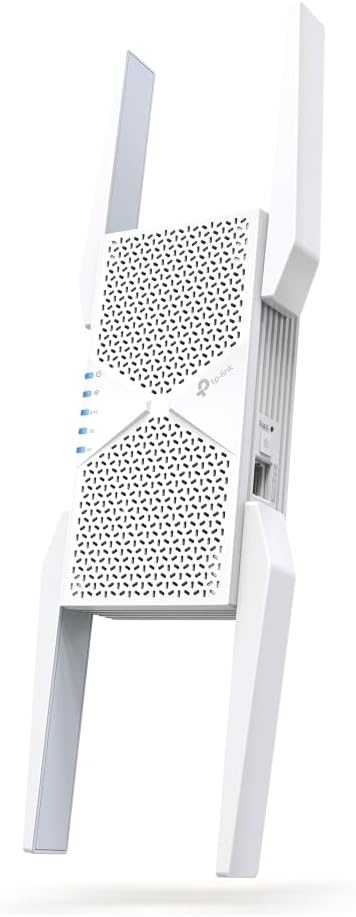
Evaluating Wi-Fi 7 Repeaters: What the TP-Link RE655BE's Specs Mean for Your Network
The TP-Link RE655BE represents a significant leap into the Wi-Fi 7 era for range extenders, offering a tri-band BE9300 configuration with a dedicated 6 GHz backhaul band. Buyers should understand that this device's 2.5 Gigabit LAN port and EasyMesh compatibility position it as a future-proofing solution, not just a simple signal booster. Its performance hinges on having a compatible Wi-Fi 7 router to unlock the full 5764 Mbps potential on the 6 GHz band.
Key Considerations Before Buying
- Your existing router is critical: The RE655BE's 6 GHz band for backhaul requires a Wi-Fi 7 router; otherwise, you'll only utilize the 5 GHz and 2.4 GHz bands for extension, missing its flagship feature.
- Consider the physical placement: With four external antennas, this repeater needs open space for optimal multi-directional signal propagation, which may affect where you can aesthetically place it.
- Evaluate your device ecosystem: The high-speed 2.5 Gigabit LAN port is most beneficial for wired devices like gaming consoles or NAS systems that demand maximum throughput from your extended network.
What Our Analysts Recommend
For Wi-Fi 7 repeaters, prioritize models with a dedicated wireless backhaul band (like the 6 GHz band here) to prevent speed degradation. Quality is indicated by robust management features like TP-Link's EasyMesh for seamless roaming and a high-grade LAN port that doesn't bottleneck wired connections. Look for substantive reviews discussing real-world multi-device performance, not just initial setup ease.
Repeaters Market Context
Market Overview
The repeater market is bifurcating between legacy Wi-Fi 6/6E models and pioneering Wi-Fi 7 devices like the RE655BE, which command a premium for their future-ready specs. In Spain, the adoption of Wi-Fi 7 infrastructure is still nascent, making this product a forward-looking purchase rather than an immediate necessity for most households. Manufacturers are competing on backhaul technology and integration with existing mesh systems.
Common Issues
Common pitfalls include 'double NAT' complications, signal interference in dense urban environments, and significant speed loss if the repeaster connects to the main router on a congested band. Users often underestimate the importance of precise placement, leading to the creation of a new, isolated weak spot instead of a unified network.
Quality Indicators
High-quality repeaters feature multi-gigabit Ethernet ports for wired backhaul options, support for modern mesh protocols (like EasyMesh), and intelligent band steering to direct clients to the optimal frequency. External, adjustable antennas, as seen on the RE655BE, typically provide better gain and coverage flexibility than internal designs.
Review Authenticity Insights
Grade B Interpretation
A Grade B with an estimated 15% fake review rate suggests the review corpus is generally reliable but requires discerning reading. The adjusted rating of 3.80/5 (down from 4.11) is a more accurate reflection of authentic user experiences, indicating some consistent, genuine criticisms among the praise.
Trust Recommendation
Prioritize analysis of the verified purchase reviews (marked 'V'), as they confirm actual ownership. Pay particular attention to the mid-range (3-4 star) verified reviews, as they often contain the most balanced pros and cons regarding real-world speed tests and compatibility issues with specific router models.
Tips for Reading Reviews
For technical networking gear, scrutinize reviews that mention specific router models, square footage of coverage, and performance with latency-sensitive applications like video calls or gaming. Be skeptical of reviews that only praise setup simplicity without detailing sustained performance over weeks of use.
Expert Perspective
The TP-Link RE655BE is a spec-heavy, forward-looking repeater that makes the most sense for early adopters with a Wi-Fi 7 router or those planning an imminent upgrade. Its core value proposition is the dedicated 6 GHz backhaul, which, if utilized, can provide near-wired levels of performance to the extended network node. The significant gap between the advertised and adjusted ratings (4.11 vs. 3.80) signals that some users may not be achieving expected results, likely due to incompatible infrastructure or placement issues. The high-speed LAN port is a standout feature for creating a wired access point.
Purchase Considerations
Only consider this repeater if you own or will soon purchase a Wi-Fi 7 router; otherwise, a Wi-Fi 6E model offers better value. Assess whether your home layout justifies a tri-band repeater with external antennas, or if a more discreet dual-band model would suffice. The 2.5 Gigabit port is a major asset if you have a wired device in a dead zone that requires extreme bandwidth.
Comparing Alternatives
Shoppers should compare the RE655BE's cost and performance against Wi-Fi 6E repeaters and other Wi-Fi 7 extenders, weighing the premium for technology that your current devices may not fully leverage.


