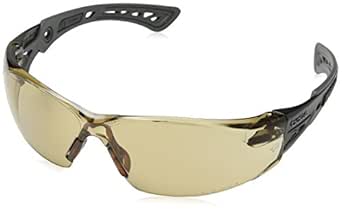
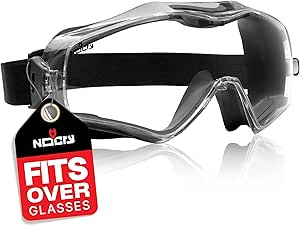
Choosing Anti-Fog Safety Glasses: What Matters for DIY and Professional Use
When selecting safety glasses like the SAFEYEAR model, buyers should prioritize certified impact protection alongside practical features like anti-fog coating. This specific product emphasizes CE EN166 certification and UV400 protection, making it suitable for varied environments from laboratories to gardening. Understanding how these features translate to real-world durability is key.
Key Considerations Before Buying
- The CE EN166 certification indicates compliance with European impact resistance standards, but verify it covers the specific hazards relevant to your tasks, such as chemical splashes in a lab or flying debris in the garden.
- Anti-fog performance is critical for extended wear; look for permanent coating rather than temporary treatments, which can degrade with cleaning, especially important for the transparent lens design mentioned.
- UV400 protection blocks all UVA and UVB rays, essential for outdoor applications like gardening or architecture site work, but ensure it doesn't compromise optical clarity for detailed tasks.
What Our Analysts Recommend
Quality indicators include scratch-resistant coatings that maintain clarity over time, as noted in the product's anti-raspado claim, and a secure, adjustable fit to prevent slippage during active use. Check for lens distortion by examining straight lines through the glasses, as poor optics can cause eye strain during prolonged wear.
Safety Glasses Market Context
Market Overview
The safety glasses market is saturated with options ranging from basic polycarbonate lenses to advanced coated models, with prices varying significantly based on certification levels and feature sets. Products like the SAFEYEAR target the mid-range DIY and light professional segment, balancing cost with essential protections.
Common Issues
Common problems include fogging in humid conditions despite anti-fog claims, poor fit causing discomfort during extended wear, and coatings that wear off after repeated cleaning. Many budget options sacrifice optical clarity or side protection, compromising safety in multi-directional hazard environments.
Quality Indicators
Genuine quality is shown through independent certification markings (like the CE mark stamped, not just printed), robust hinge construction, and clear documentation of impact test standards. Premium models often include replaceable lenses or adjustable temple arms for personalized fit.
Review Authenticity Insights
Grade B Interpretation
A Grade B authenticity rating with a 10% estimated fake review rate suggests generally reliable feedback, but advises caution with overly effusive reviews. The adjusted rating of 4.50/5 from 4.78/5 indicates minor inflation, yet the high number of verified purchases (577 reviews) supports overall credibility.
Trust Recommendation
Focus on reviews that detail long-term use, specifically mentioning anti-fog durability after multiple cleanings or impact resistance in real scenarios like workshop accidents. Be skeptical of reviews lacking specific context about the UV400 or EN166 performance in actual tasks listed (bricolaje, laboratorio, etc.).
Tips for Reading Reviews
Prioritize reviews that mention the product's fit with other PPE like masks or hats, and those comparing it to previous safety glasses brands. Look for photos showing lens clarity or wear patterns, as these provide tangible evidence of the anti-scratch and anti-fog claims.
Expert Perspective
The SAFEYEAR glasses present a strong value proposition based on the authenticity-adjusted 4.50 rating and verified purchase reviews, particularly for users needing a versatile, certified option for mixed environments. The specific mention of UV400 and EN166 certification aligns with professional requirements, though the anti-fog performance will be the critical determinant of user satisfaction in humid conditions. The high rating suggests successful delivery on core safety promises, but the 10% fake review rate warrants attention to detailed, critical feedback.
Purchase Considerations
Weigh the need for all-day comfort against the glasses' design, considering tasks like laboratory work requiring precise vision or gardening involving sweat and movement. The transparent lens may offer better light transmission indoors but could lack tint options for bright outdoor use, despite UV protection.
Comparing Alternatives
Shoppers should compare similar EN166-certified models with user feedback on hinge durability and coating longevity, as these are common failure points in this price segment.