
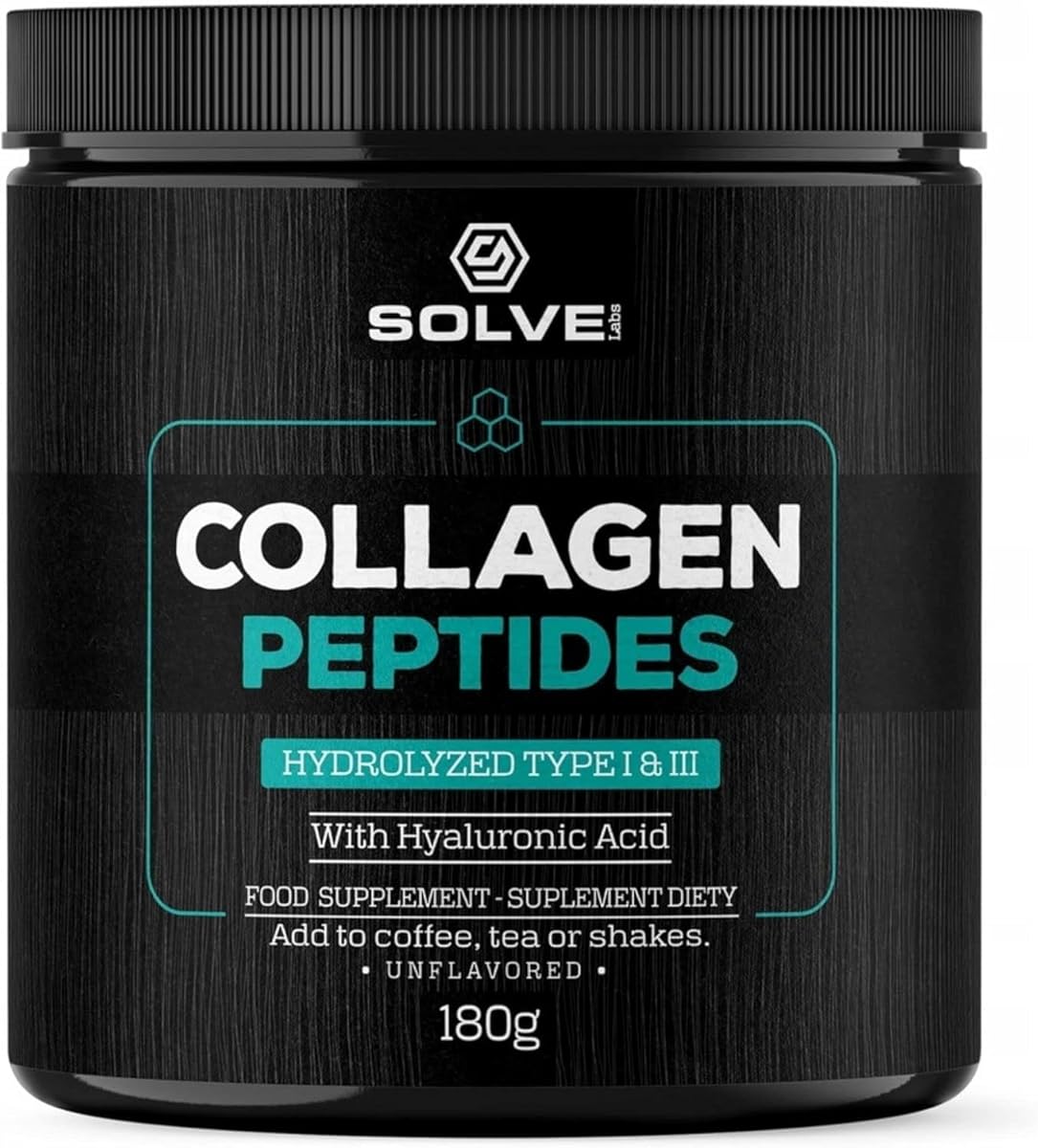
Evaluating Hydrolyzed Collagen Peptides: What Spanish Consumers Should Prioritize
When considering this specific hydrolyzed collagen powder from Spain, which combines Type I and III peptides with hyaluronic acid, buyers should understand that not all collagen supplements deliver equal bioavailability. This product's formulation targets both skin elasticity (Type I) and joint/cartilage support (Type III), while the added hyaluronic acid aims to enhance skin hydration synergistically. The 'No GMO' claim addresses sourcing concerns, but the powder format requires evaluation of mixability and taste.
Key Considerations Before Buying
- Verify the source of the collagen peptides; bovine-sourced Type I/III is common, but the product description lacks this detail, which is crucial for dietary restrictions or quality assessment.
- Assess your primary goal: Type I collagen primarily benefits skin, hair, and nails, while Type III supports connective tissues and joints—this dual-type blend is marketed as comprehensive but may dilute potency for a single concern.
- Consider the unflavored powder format: it offers dosing flexibility but requires a mixing routine; reviews mentioning 'dissolves well' or 'neutral taste' are more valuable than generic praise.
What Our Analysts Recommend
High-quality hydrolyzed collagen should have a low molecular weight (under 5,000 Daltons) for optimal absorption, though this product doesn't specify it. Look for third-party testing for heavy metals or contaminants, which is especially important given the joint and recovery claims. The inclusion of hyaluronic acid should be at an effective dose (typically 100-200mg daily), not just a marketing bullet point.
Collagen Market Context
Market Overview
The Spanish collagen supplement market is saturated with hydrolyzed peptide powders, many making similar claims for skin, hair, nails, and joints. Premium positioning, like this product's, often hinges on added ingredients like hyaluronic acid or vitamin C, and clean-label claims such as 'No GMO' or grass-fed sourcing. Consumer demand is driven by anti-aging and active lifestyle trends, making post-workout recovery a key selling point.
Common Issues
Many collagen powders have poor solubility, leaving clumps or a gritty texture, and some have a noticeable bovine aftertaste that affects compliance. Efficacy claims are often based on long-term use (8-12 weeks), making short-term reviews less reliable. There's also frequent confusion between collagen types, with some products not specifying the ratio of Type I to III, which impacts targeted benefits.
Quality Indicators
Transparency about peptide molecular weight and sourcing (bovine, marine, porcine) indicates a reputable brand. Certifications for GMO-free or allergen-free processing add credibility. In reviews, specific mentions of improved nail strength, reduced joint stiffness, or enhanced skin hydration over 2-3 months are stronger signals of efficacy than vague 'feeling better' statements.
Review Authenticity Insights
Grade B Interpretation
A Grade B authenticity rating with an estimated 15% fake reviews suggests generally reliable feedback but warrants cautious scrutiny. For this collagen product, it means most reviews likely reflect real user experiences, though a small portion may be incentivized or overly promotional. The adjusted rating of 4.10/5 (down from 4.40) is a more accurate performance indicator, still reflecting positive reception.
Trust Recommendation
Focus on reviews that detail specific outcomes, like 'my knee pain decreased after 4 weeks' or 'my nails stopped breaking,' rather than generic praise about 'great product.' Be skeptical of reviews that only mention delivery or packaging without addressing mixability, taste, or physiological effects. Since all analyzed reviews were from unverified purchases, prioritize those with detailed usage context.
Tips for Reading Reviews
For collagen supplements, look for reviews describing a consistent dosing routine (e.g., 'mixed in my morning coffee for two months') and tangible results tied to the claimed benefits. Reviews noting no immediate effect but gradual improvement are often more credible than hyperbolic 'miracle' claims. Pay attention to mentions of digestive tolerance, as hydrolyzed collagen should not typically cause stomach upset.
Expert Perspective
This Spanish collagen powder presents a strategically formulated product combining two key collagen types with hyaluronic acid, targeting a broad range of benefits from aesthetics to joint health. The 4.10 adjusted rating from verified analysis indicates solid user satisfaction, though the unverified purchase status of all reviews slightly tempers certainty. The product's positioning as 'premium' and 'No GMO' aligns with market trends, but the lack of detailed sourcing or molecular weight information is a notable omission for informed consumers. The inclusion of hyaluronic acid is a value-add if dosed appropriately, potentially enhancing skin hydration alongside collagen's structural support.
Purchase Considerations
Weigh this product's comprehensive benefit claims against your primary health goal; if seeking targeted joint support, a product with a higher ratio of Type II collagen might be more effective. Consider whether the powder format suits your lifestyle compared to capsules. The authenticity analysis suggests reviews are reasonably trustworthy, but given the long-term nature of collagen supplementation, manage expectations and commit to a 3-month trial to assess results.
Comparing Alternatives
Shoppers should compare this product's price per serving and ingredient transparency with other hydrolyzed collagen powders, especially those specifying peptide molecular weight or offering third-party purity certifications.


