Heated Vest Buying Guide: Power, Zones, and Battery Realities
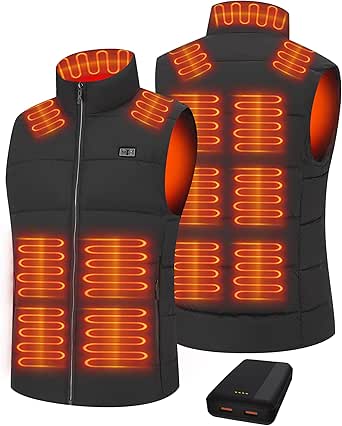
This heated vest stands out with 26 heating areas and dual 5V USB/7.4V DC connectors, but it's sold without a battery. Before buying, you need to understand how power sources and control zones affect real-world warmth and convenience.
Key Considerations Before Buying
- Battery and power source: The vest supports both 5V USB (power bank) and 7.4V DC (dedicated battery). A 5V power bank is convenient but may provide less heat than a 7.4V battery, especially at higher settings. You'll need to supply your own battery, so factor in the cost and availability of a compatible 7.4V pack if you want maximum performance.
- Heating zones and controls: With 26 heating areas and 4 control zones, you can customize warmth to different body parts. However, more zones mean more wiring and potential points of failure. Check user reviews for even heat distribution and whether the controls are intuitive, especially when wearing gloves.
- Sizing and fit: Heated vests work best when worn close to the body, but over-layering can reduce heat transfer. This vest is available for men and women, so pay attention to the size chart and consider whether you'll wear it as a mid-layer or outer layer. A snug fit ensures better heat retention.
What Our Analysts Recommend
Look for vests with clear heating zone diagrams and user feedback on warmth consistency. Quality indicators include durable connectors, a secure battery pocket, and multiple heat settings. Also check if the vest is machine washable (after removing the battery) and whether the heating elements are flexible and unobtrusive.
Vests Market Context
Market Overview
Heated apparel has grown popular for outdoor work, sports, and everyday winter wear. Many vests now offer multiple heating zones and dual power options, but quality varies widely. German consumers often prioritize safety and reliability, so brands that clearly specify voltage and battery requirements tend to stand out.
Common Issues
Common complaints include uneven heating, short battery life, and difficulty finding compatible batteries. Some vests also have connectors that loosen over time or heating elements that fail after a few washes. Additionally, without a battery included, users may underestimate the total cost and the need for a high-capacity power source.
Quality Indicators
High-quality heated vests use carbon fiber heating elements, which are durable and flexible. They also have reinforced stitching around the heating zones and battery pocket, and clear instructions for washing and storage. Certifications like CE or RoHS can indicate safety compliance, which is important for electrical garments.
Review Authenticity Insights
Grade A Interpretation
An authenticity grade of A with an estimated 8% fake reviews is excellent for this category. It means the 4.44-star rating (adjusted to 4.30) is largely trustworthy, and the feedback likely reflects genuine user experiences across multiple languages, which is typical for European Amazon listings.
Trust Recommendation
You can generally trust the overall rating, but still read recent reviews to catch any recurring issues like battery compatibility or heating inconsistencies. Pay attention to reviews that mention specific use cases (e.g., skiing, commuting) to see if the vest meets your needs.
Tips for Reading Reviews
Focus on detailed reviews that discuss battery life, heat levels, and fit. Look for patterns in complaints rather than isolated incidents. Since the vest lacks a battery, reviews that mention which power source was used are especially valuable.
Expert Perspective
This heated vest offers an impressive number of heating zones and dual power options at a competitive price point, but the absence of a battery is a significant consideration. The high number of positive reviews and strong authenticity grade suggest it performs well for many users, though some may find the 5V USB option underpowered. It's a solid choice for those who already own a compatible battery or are willing to invest in one.
Purchase Considerations
Weigh the cost of a suitable 7.4V battery and charger against the vest's price. If you plan to use it for extended periods, a high-capacity battery is essential. Also consider whether 4 control zones are necessary for your activities, as simpler vests may suffice for basic warmth.
Comparing Alternatives
Compare with other heated vests that include a battery or offer higher voltage for more intense heat. Look for models with similar zone counts but better battery compatibility to avoid hidden costs.