Evaluating a Plug-and-Play Solar Kit with Integrated Storage for German Balconies
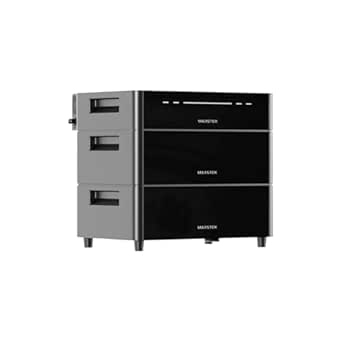
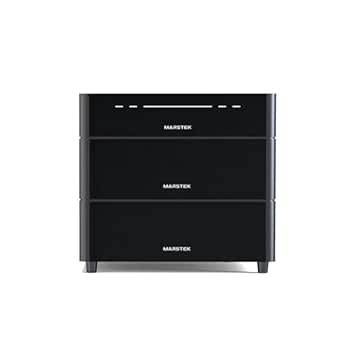
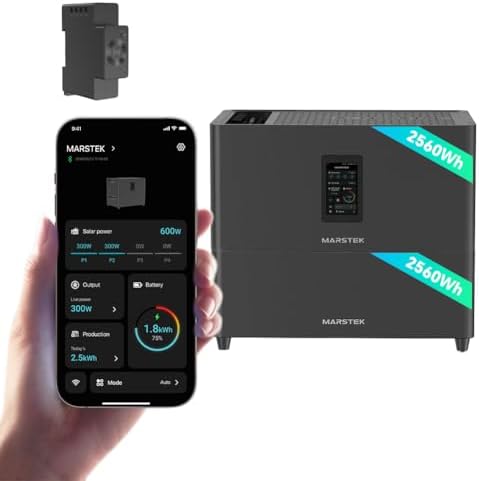
The Marstek Jupiter C Plus represents a specific category of German 'Balkonkraftwerk' systems designed for apartment dwellers and homeowners seeking simplified solar entry. This particular model distinguishes itself with its substantial 5.12kWh LFP battery and 0% VAT pricing, targeting users who want daytime generation plus evening consumption from storage. Buyers should understand this is a complete 800W grid-tie system with storage, not just a basic panel-and-inverter kit.
Key Considerations Before Buying
- The 800W on-grid output is the legal maximum for standard German balcony plug-in systems without formal grid operator approval, making this a compliant but maxed-out configuration.
- A 5.12kWh LFP battery is unusually large for a balcony system; assess if your evening load profile justifies this capacity versus a smaller, cheaper battery-less option.
- The 4 MPPT channels and 2.4kW PV input capacity suggest the system is designed for future panel expansion or complex shading scenarios, which may be overkill for a simple two-panel setup.
What Our Analysts Recommend
For plug-and-play balcony systems, prioritize units with clear German certification (like a declared conformity for VDE-AR-N 4105) and robust weatherproofing (IP65 is excellent). The inclusion of an energy meter and app control, as seen here, is crucial for monitoring performance and proving the system's economic benefit to the user.
Grid-Tie Systems Market Context
Market Overview
The German balcony power plant market is booming, driven by simplified registration rules and consumer desire for energy independence. Systems are evolving from simple micro-inverter kits to integrated solutions with storage, like this Marstek model, which blurs the line between a plug-in device and a full hybrid system.
Common Issues
Common pitfalls include compatibility issues with older home wiring, vague instructions for the mandatory registration with the grid operator (Netzbetreiber), and mobile apps with poor connectivity or limited data history. Physical mounting hardware for diverse balcony types is also a frequent point of frustration.
Quality Indicators
Look for reputable LFP battery cells (like CATL or BYD), hybrid inverters with high European efficiency ratings (>95%), and clear warranty terms that cover all components. A system with a dedicated energy meter, not just estimated production, indicates a focus on accurate performance tracking.
Review Authenticity Insights
Grade B Interpretation
A 'B' grade with an estimated 15% fake review rate indicates a generally trustworthy review section, but suggests some incentivized or biased feedback may be present. The high 'verified purchase' rate is a strong positive, meaning most reviewers actually bought and installed the system.
Trust Recommendation
Focus on the detailed, mid-range (3-4 star) verified reviews in German and English; these often contain specific installation experiences or long-term performance notes that are most valuable. Be slightly more skeptical of overly effusive 5-star reviews that lack technical or usage details.
Tips for Reading Reviews
For technical products like this, prioritize reviews that discuss the registration process, app functionality over time, real-world battery performance on cloudy days, and the quality of customer support for technical questions. Reviews mentioning specific yield (kWh produced) are gold standard.
Expert Perspective
The Marstek Jupiter C Plus is a feature-heavy contender in the high-end balcony system segment. Its 4.30 adjusted rating from verified purchasers is strong, suggesting real-world performance meets expectations. The large battery is its defining and most expensive component; it transforms the system from a daytime-only saver to a partial evening power source, but extends the payback period significantly. The 4 MPPT inverter is professional-grade, offering unusual flexibility for a plug-and-play unit.
Purchase Considerations
This system makes financial sense if you have a high evening base load and want to maximize self-consumption. Compare the total cost against a basic 800W kit without a battery; calculate how many years of battery cycling are needed to break even. Ensure your balcony has the structural capacity and correct sun exposure for the required solar panels (not included).
Comparing Alternatives
Shoppers should compare this integrated 'Speicher' model against modular approaches, like a separate balcony inverter paired with a modular home battery, to assess flexibility and potential cost differences.