
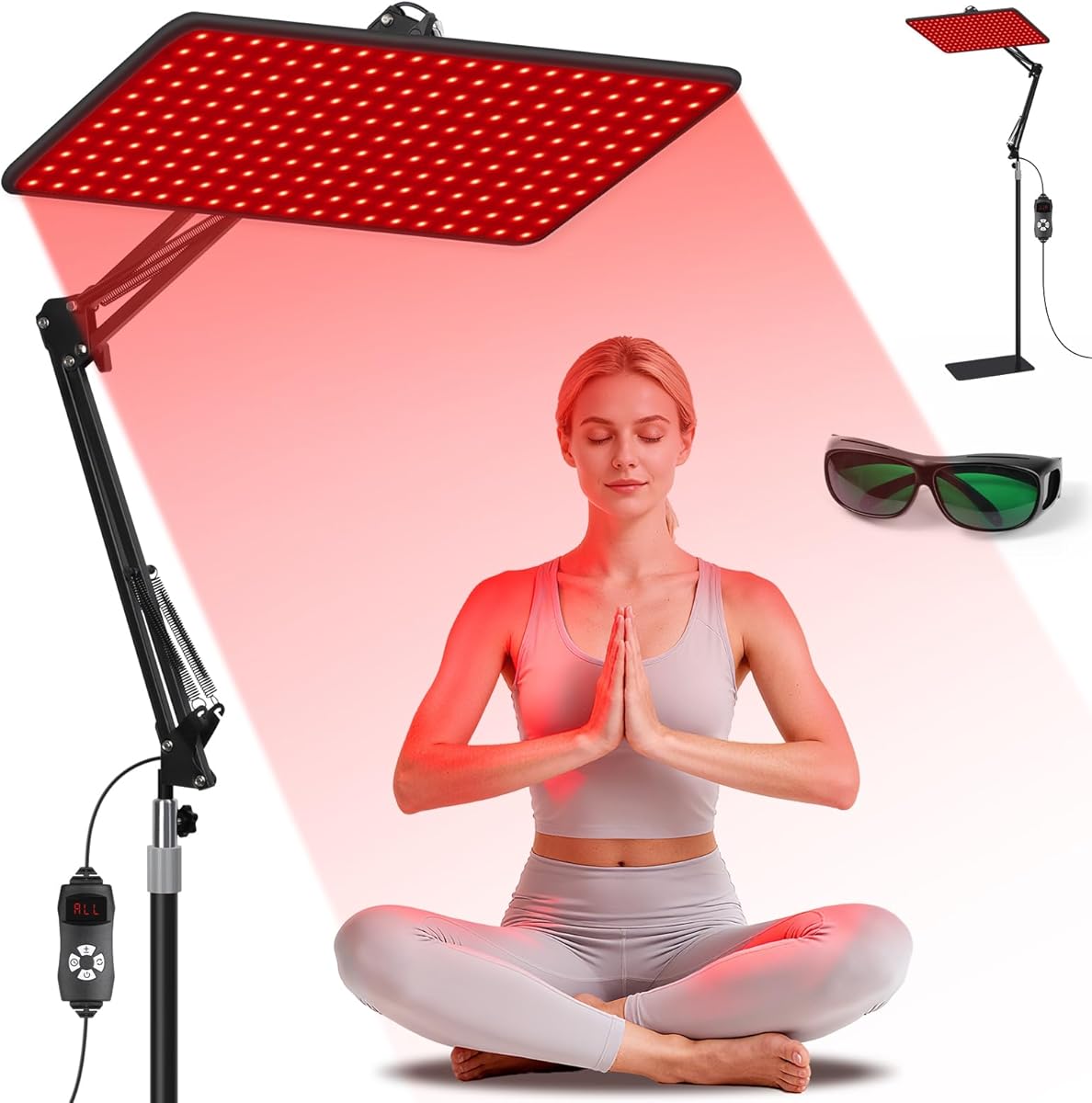
Choosing a Tri-Wavelength Infrared Lamp: What the Morfone 200-LED Model Reveals
When evaluating a full-body infrared lamp like the Morfone model, the combination of wavelengths—660nm (red), 850nm (near-infrared), and 940nm (infrared)—is crucial, as each penetrates tissue differently. The 200 LEDs and large panel design directly impact treatment area and intensity, making it suitable for both targeted facial use and broader muscle groups. The adjustable stand and included safety glasses are not just accessories but essential for proper, safe application.
Key Considerations Before Buying
- Wavelength specificity: The Morfone's tri-wavelength offering (660nm, 850nm, 940nm) suggests versatility, but you must verify your intended use—660nm is often cited for skin and surface-level issues, while 850nm and 940nm penetrate deeper for muscle and joint concerns.
- Panel size and LED density: With 200 LEDs on a large panel, this device prioritizes coverage over extreme intensity per point; consider if you need whole-body treatment or prefer a more concentrated, higher-power handheld device for small areas.
- Usability and safety: The adjustable stand is critical for consistent, hands-free treatment at the correct distance (typically 6-12 inches), and the included protective glasses are non-negotiable for eye safety, especially with near-infrared wavelengths.
What Our Analysts Recommend
Genuine quality indicators in this category include clear specifications on irradiance (power density in mW/cm²), which the Morfone listing lacks—this is a significant omission for informed use. Look for robust construction in the stand and head adjustment mechanisms, as flimsy parts are a common failure point. Reviews that mention specific protocols (e.g., '15 minutes at 12 inches on my lower back') signal more credible user experiences than vague wellness claims.
Infrared Light Therapy Market Context
Market Overview
The consumer infrared therapy market is flooded with devices ranging from low-power wands to clinical-grade panels, creating confusion between cosmetic 'red light' and therapeutic 'near-infrared' devices. The Morfone sits in the mid-range panel category, competing on features like multiple wavelengths and a stand rather than medical-grade power output.
Common Issues
A major issue is 'specification fog'—manufacturers highlight LED count and wavelengths but omit critical irradiance data, making it impossible to compare treatment dose and efficacy. Another frequent complaint is unstable stands or poor heat dissipation, leading to inconsistent treatment distances or reduced LED lifespan.
Quality Indicators
Beyond LED count, assess the build quality of the stand's joints and the panel's housing; metal components often outlast plastic. Reliable brands provide clear guidelines on treatment distance, duration, and contraindications. Independent verification of wavelength output via spectral reports, though rare for consumer models, is the gold standard.
Review Authenticity Insights
Grade B Interpretation
A Grade B with an estimated 10% fake review rate indicates a generally trustworthy review pool for the Morfone lamp, but requires cautious reading. The adjusted rating of 3.90 (down from 4.11) suggests that the authentic user experience is slightly less enthusiastic than the overall average implies.
Trust Recommendation
Focus on the 90% of reviews deemed authentic, particularly those detailing specific conditions (e.g., knee stiffness, facial skincare routine) and mentioning the stand's adjustability or the practicality of the large panel. Be slightly more skeptical of glowing 5-star reviews that lack these specific usage details.
Tips for Reading Reviews
Prioritize German-language reviews that discuss long-term use over several weeks, as infrared therapy effects are typically cumulative. Look for mentions of the three wavelengths being used separately for different purposes, which indicates a more advanced, credible user. Reviews noting the physical size of the unit or storage considerations are often highly genuine.
Expert Perspective
The Morfone Rotlichtlampe presents a compelling feature set for a home user seeking a versatile, full-body capable device. Its tri-wavelength design is a standout in its price segment, theoretically allowing users to tailor treatment for skin versus deeper tissue. However, the lack of irradiance specifications is a significant drawback, making it difficult to gauge its potency against clinical protocols. The strong authentic review base (Grade B) and consistent mentions of the sturdy stand are positive signals, while the adjusted 3.90 rating reflects realistic user satisfaction that includes some critiques on intensity or size.
Purchase Considerations
Weigh the convenience of the large panel and stand against your primary use case; if you need targeted, high-power treatment for a small joint, a smaller, more intense device might be more effective. Consider whether you value the flexibility of three wavelengths or would prefer a device specializing in one (e.g., 850nm for deep penetration) with potentially higher output.
Comparing Alternatives
Shoppers should compare the Morfone's specifications, particularly its LED count and panel size, against similar tri-wavelength panels from brands like Hooga or Mito Red, paying close attention to warranty and customer service noted in reviews.


