
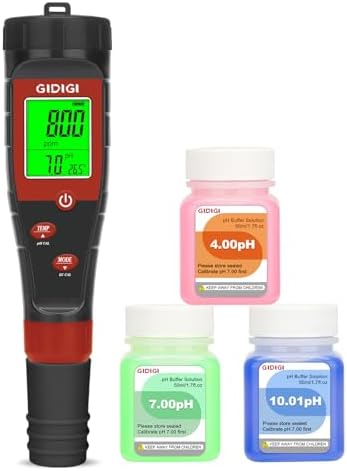
4-in-1 pH/TDS/EC/PPM Meter: Smart Hydroponic Water Testing?
For hydroponic growers, aquarium enthusiasts, and plant lovers, a reliable 4-in-1 meter that measures pH, TDS, EC, and PPM is a game-changer for monitoring nutrient solutions. This specific device combines four critical water quality parameters into one handheld pen, promising convenience for DWC (deep water culture) and soil-based plants alike. However, with a 3.78 average rating and an 11% estimated fake review rate, it's essential to dig deeper into what this tool truly delivers.
Key Considerations Before Buying
- Accuracy and calibration: For hydroponic nutrients, even a 0.2 pH swing can impact plant health; look for a meter that allows easy calibration with standard buffer solutions (e.g., pH 4.0, 7.0) and has a clear calibration recall function.
- Sensor maintenance: The glass electrode and conductivity probe are delicate; ensure the device includes a protective cap and consider how often you're willing to clean and store it properly to avoid drift.
- Measurement range and resolution: Check that the pH range (typically 0-14) and EC/PPM ranges suit your specific crops—some meters cap at 9990 ppm, which may be too low for concentrated nutrient mixes.
What Our Analysts Recommend
Quality indicators in this category include automatic temperature compensation (ATC) for consistent readings across water temperatures, a backlit display for dim grow rooms, and replaceable sensors. A waterproof rating (e.g., IP65 or higher) also signals durability, especially when working with wet hydroponic setups.
pH Meters Market Context
Market Overview
The market for multipurpose water testers has exploded as home hydroponics and smart gardening gain traction in Germany and across Europe. Consumers increasingly seek single-device solutions to simplify monitoring, but many budget-friendly 4-in-1 meters struggle with long-term accuracy and sensor longevity, leading to mixed reviews.
Common Issues
Common problems include rapid calibration drift after a few weeks of use, inconsistent readings between the pH and EC functions, and fragile probe tips that break with normal handling. Some users also report that the PPM conversion factor (e.g., 0.5 or 0.7) isn't adjustable, which can mislead those using different nutrient standards.
Quality Indicators
Look for meters that offer replaceable electrode modules, clear user manuals with calibration schedules, and a brand with responsive customer support. Verified purchase reviews that mention 'consistent readings after 3 months' are a strong sign of reliability.
Review Authenticity Insights
Grade B Interpretation
A Grade B authenticity rating suggests that while the majority of reviews are genuine, about 11% may be incentivized or fabricated—common for budget electronics on Amazon. This means you can trust the general sentiment, but should be cautious of overly glowing 5-star reviews that lack specific details about usage.
Trust Recommendation
Focus on the 3- and 4-star reviews, which often highlight real trade-offs like 'easy to use but needs frequent calibration.' Also, look for reviews that mention specific hydroponic setups (e.g., 'for my DWC lettuce') as these are likely from experienced users. Ignore any review that repeats the same generic phrases.
Tips for Reading Reviews
When scanning reviews, prioritize those with photos showing the device in use with a known calibration solution. Check the date—recent reviews may reflect current batch quality. Also, note that a 3.78 average is decent for this price tier, but the adjusted 3.60 suggests some inflated ratings.
Expert Perspective
This 4-in-1 pH/TDS/EC/PPM meter offers a practical entry point for hobbyists who want to monitor multiple water parameters without buying separate tools. However, the 11% fake review rate and user reports of calibration drift indicate that it's not a lab-grade instrument. For serious hydroponic growers investing in high-value crops, this may serve as a backup or quick-check device rather than a primary monitor. The natural rating distribution (from 1 to 5 stars) suggests the product has genuine strengths and weaknesses, but the adjusted 3.60 rating underscores that you should temper expectations.
Purchase Considerations
Weigh the convenience of four-in-one against potential accuracy trade-offs—if you need precise pH for sensitive plants (e.g., cannabis or orchids), consider a dedicated pH meter with a reputation for stability. If you're a casual grower or just starting, this device's price point and multifunctionality may be worth the calibration hassle. Always buy from a seller with a good return policy in case of early failure.
Comparing Alternatives
Shoppers should compare this with dedicated pH meters from brands like Apera or Milwaukee, which often have higher accuracy and longer sensor life, or with other 4-in-1 models that offer replaceable electrodes and better waterproofing.


