
Tension Rod Buying Guide: Fit, Finish, and Load Limits
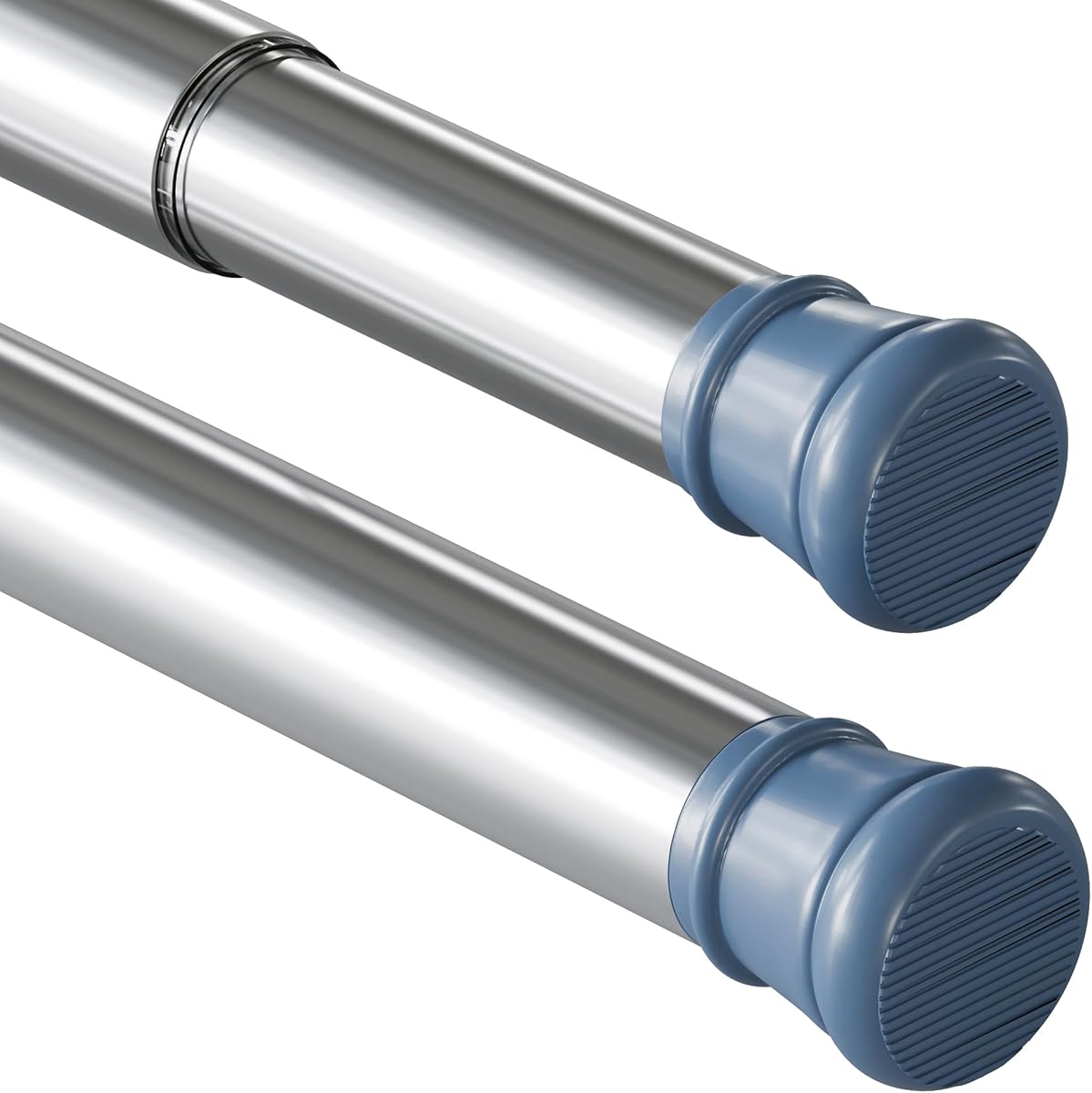
This 66–90 cm silver tension rod with a 25 mm diameter is a no-drill solution for shower curtains, window drapes, or closet hanging. Because it relies on spring pressure rather than screws, the surface it presses against and the weight it carries determine whether it stays put.
Key Considerations Before Buying
- Measure the exact opening between mounting surfaces before ordering; the 66–90 cm range means the rod must be extended within that span, and a rod near its maximum extension holds less weight than one closer to its minimum.
- Check that both mounting surfaces are solid, flat, and non-slip—tile, painted drywall, or window frames work, but textured or uneven surfaces can cause the rubber pads to creep under load.
- Confirm the 25 mm diameter suits your hooks and space; thicker rods feel sturdier and support heavier curtains, but they need more clearance and larger hook openings than slim 12–16 mm rods.
What Our Analysts Recommend
Quality tension rods use thick-walled steel tubing, a strong internal spring, and rubber or silicone end pads that grip without marring paint. Look for a locking collar or twist-to-tighten mechanism that prevents accidental length changes, and check that the rod extends smoothly without wobble at the joint.
Shower Curtain Rods Market Context
Market Overview
Tension rods have moved from purely utilitarian bathroom hardware to a multi-purpose category, with shoppers using the same rod for shower liners, sheer curtains, and wardrobe hanging. The German market is crowded with no-name imports, so price differences often reflect tube thickness, spring quality, and end-pad material rather than brand prestige.
Common Issues
The most frequent complaints in this category are rods that slip on smooth tile, sag under heavy wet curtains, or arrive with bent tubes from shipping. Rust at the end caps and rubber pads that leave marks on painted surfaces are also recurring problems, especially in humid bathroom environments.
Quality Indicators
A credible tension rod lists its diameter and weight capacity, uses stainless or powder-coated steel, and has end pads that are replaceable. Reviews that mention long-term use in bathrooms—rather than just initial installation—are the best signal of rust resistance and spring retention.
Review Authenticity Insights
Grade A Interpretation
An A grade with an estimated 8% fake review rate is strong for this category, where cheap hardware listings often attract incentivized reviews. The adjusted rating of 4.50/5 versus the displayed 4.67/5 suggests only a modest inflation, and the verified-purchase status of reviews adds confidence.
Trust Recommendation
Treat the 4.50 adjusted score as a realistic baseline and read the German-language reviews closely, since they likely describe installation on typical European tile and window frames. Buyers with very smooth or large-format tiles should still look for reviews mentioning slip resistance specifically.
Tips for Reading Reviews
Prioritize reviews that state the surface type, the load used, and how long the rod has been installed. Skip reviews that only praise the price or shipping speed, and be wary of clusters of five-star reviews posted within days of each other.
Expert Perspective
This rod sits in the value tier of the tension-rod market, and its 25 mm diameter is a genuine plus for shower use because it resists bowing better than slim rods. The 66–90 cm span covers most standard shower alcoves and small windows, but buyers near the 90 cm limit should expect reduced holding power. With an A authenticity grade and thousands of verified reviews, the listing is more transparent than many competitors.
Purchase Considerations
Weigh the rod's maximum extension against your actual opening, the weight of your curtain when wet, and the smoothness of your mounting surfaces. If you need to span more than 85 cm or hang heavy blackout curtains, a rod with a higher stated capacity or a screw-mounted bracket is the safer choice.
Comparing Alternatives
Compare this rod with similar 25 mm no-drill options that specify weight limits and offer replaceable end pads, as those details often separate durable rods from short-lived ones.


