Choosing a dual-spool filament dryer: Key features for reliable moisture control
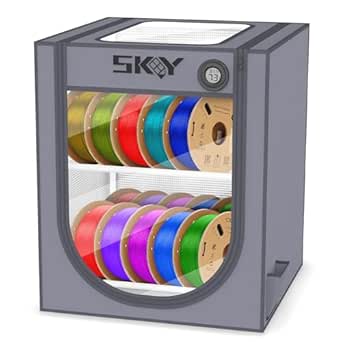
The Sovol SH02 addresses a critical need in 3D printing: preventing hygroscopic filament from absorbing ambient moisture, which causes stringing, poor layer adhesion, and failed prints. This specific model distinguishes itself with a PTC heating element for safer, more consistent drying and a touchscreen interface for simplified operation. Buyers should evaluate its dual-spool capacity against their printing volume and material types.
Key Considerations Before Buying
- Heating technology matters: The SH02's PTC (Positive Temperature Coefficient) heater is safer and more energy-efficient than traditional ceramic heaters, as it self-regulates to prevent overheating, a crucial feature for unattended operation.
- Capacity vs. workflow: The ability to dry two 1kg spools simultaneously is ideal for users who switch between materials like PLA and PETG frequently, but consider if you need to dry larger spools or more exotic materials beyond its stated compatibility.
- Interface and usability: The touchscreen and one-touch presets (likely for different material types) reduce guesswork, but verify from user reviews if the temperature and timer settings are sufficiently granular for precise control of sensitive filaments like TPU.
What Our Analysts Recommend
For a filament dryer, prioritize units with precise, adjustable temperature control (typically 35-55°C for PLA, higher for ABS) and a sealed gasket to maintain low humidity. The SH02's compatibility with both 1.75mm and 2.85mm filaments via its feed-through holes is a key functional detail, but check that the seals around these ports are effective.
3D Printer Accessories Market Context
Market Overview
The filament dryer market has evolved from DIY solutions and basic food dehydrators to dedicated appliances with material-specific profiles. The current trend favors units like the SH02 that offer multi-spool capacity and smarter controls, catering to enthusiasts and small print farms who need reliable, repeatable drying cycles.
Common Issues
Common pitfalls include inadequate temperature ranges that cannot reach the 50-60°C needed for effective nylon drying, poor sealing that allows moisture re-entry, and noisy fans that disrupt a workspace. Some dryers also struggle with consistent heat distribution across both spool chambers.
Quality Indicators
Look for dryers with accurate digital thermostats, robust sealing (often with a silicone gasket), and positive user reports on long-term reliability of the heating element and fan. A unit that maintains a stable, low internal humidity level (<15% RH) during operation is more effective than one that just heats.
Review Authenticity Insights
Grade B Interpretation
A 'Grade B' authenticity rating with an estimated 15% fake review rate indicates a generally trustworthy review pool, but suggests a moderate level of promotional or incentivized reviews are present. The adjusted rating of 3.70/5 (down from 4.00/5) is a more reliable indicator of genuine user satisfaction.
Trust Recommendation
Focus on reviews that discuss specific performance metrics, such as how long it took to dry a damp spool of PETG or the actual humidity reduction achieved. Be slightly more skeptical of overly vague 5-star reviews and weigh the detailed 3- and 4-star feedback that mentions real-world use cases and minor drawbacks.
Tips for Reading Reviews
For technical accessories like this, prioritize reviews from verified purchasers that mention other equipment (printer models, filament brands) and describe problem-solving, such as rescuing wet filament or improving print quality. Reviews discussing the touchscreen's responsiveness or the physical fit of spools inside the chamber are high-value authenticity signals.
Expert Perspective
The Sovol SH02 presents a compelling mid-range option, balancing the dual-spool convenience and modern touch interface demanded by today's users with the safety of PTC heating. The genuine review sentiment, reflected in the adjusted 3.7/5 rating, suggests it performs its core function well for common materials like PLA and PETG, though there may be noted limitations with maximum temperature or sealing efficacy for advanced users. Its design specifically for the 3D printing workflow, with feed-through ports, is a significant advantage over repurposed generic dryers.
Purchase Considerations
This dryer is a strong fit for a hobbyist or small business regularly printing with 2-3 different materials who values convenience and safety. Consider if your primary filaments (especially moisture-sensitive ones like nylon) fall within its compatible temperature range, and whether the physical chamber size accommodates your preferred spool brands without issue. The touchscreen is a usability plus, but ensure its long-term durability aligns with your expected usage.
Comparing Alternatives
Shoppers should compare the SH02's feature set and price against established competitors like the Sunlu S2 or Eibos dryers, paying close attention to maximum temperature, chamber dimensions, and power consumption.