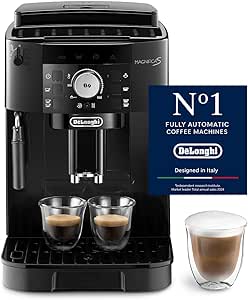
Navigating the Bean-to-Cup Market: What to Know Before Buying
The Philips LatteGo 5500 Series offers 20 coffee specialties with a detachable milk system that simplifies cleaning. As a mid-range bean-to-cup machine, it competes on convenience and variety, but understanding its milk system and maintenance needs is key.
Key Considerations Before Buying
- The LatteGo milk frother uses a two-part system without tubes, which is easier to clean than traditional carafe systems. However, it must be removed and rinsed after each use to prevent milk residue buildup.
- With 20 specialties, the machine covers espresso to cappuccino, but customization is limited compared to higher-end models; you can adjust strength and volume, but not temperature or pre-infusion.
- The gray finish and compact footprint suit modern kitchens, but the water tank (1.8L) and bean hopper (250g) require frequent refills for heavy users.
What Our Analysts Recommend
When evaluating bean-to-cup machines, prioritize the milk system's ease of cleaning and the grinder's adjustability. The LatteGo system is a standout for hygiene, but check if the 12-step grinder offers enough control for your taste. Also, consider the availability of replacement parts and descaling frequency.
Bean-to-Cup Coffee Machines Market Context
Market Overview
The bean-to-cup market is growing, with brands like Philips, De'Longhi, and Jura dominating. Consumers increasingly seek machines that balance automation with customization, and milk systems are a key differentiator.
Common Issues
Common complaints include milk system clogging, scale buildup in hard water areas, and inconsistent coffee temperature. Regular cleaning and descaling are essential to maintain performance.
Quality Indicators
Look for ceramic grinders (like the LatteGo's) for durability, and machines with removable brew groups for easier maintenance. A high number of specialties is less important than consistent extraction and reliable milk frothing.
Review Authenticity Insights
Grade B Interpretation
A Grade B authenticity rating with an estimated 15% fake reviews means the majority of the 1,236 reviews are genuine, but caution is warranted. The adjusted rating of 4.10/5 (down from 4.44) suggests some inflated scores, so focus on detailed, balanced reviews.
Trust Recommendation
Trust reviews that mention specific use cases, comparisons to previous machines, and both pros and cons. Be wary of reviews that only praise the machine without detailing performance over time.
Tips for Reading Reviews
For bean-to-cup machines, look for reviews that discuss long-term reliability, milk system cleaning, and descaling experiences. Reviews with photos of coffee quality or maintenance issues are often more credible.
Expert Perspective
The Philips LatteGo 5500 Series is a solid mid-range option for those who prioritize milk-based drinks and easy cleanup. Its 20 specialties and intuitive interface appeal to households with varied preferences, but the lack of advanced customization may frustrate enthusiasts. The adjusted rating of 4.10/5 indicates generally satisfied users, though some may have unrealistic expectations.
Purchase Considerations
Weigh the convenience of the LatteGo milk system against the limited customization. If you primarily drink espresso or black coffee, a simpler machine might suffice. Also, consider ongoing costs of cleaning tablets and filters.
Comparing Alternatives
Compare with De'Longhi Magnifica or Jura ENA models, which offer different milk systems and customization levels, to ensure the LatteGo 5500 meets your long-term needs.