Solar-Powered 2K Security: What to Know Before Buying the aosu D1
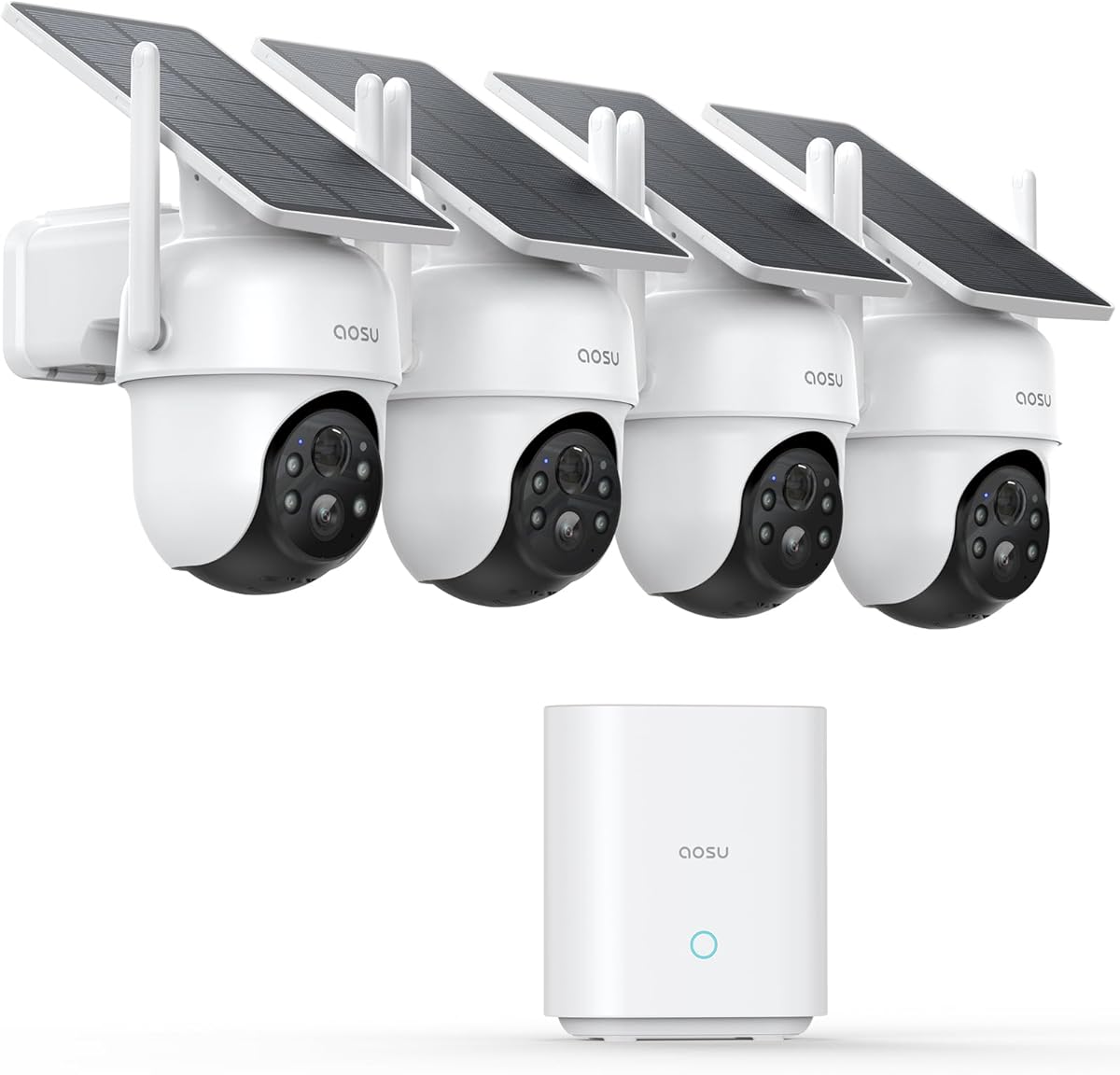
When considering a solar-powered outdoor security camera like the aosu D1 2K, it's essential to understand how its unique features—built-in solar panel, rechargeable battery, local 32GB storage, and no-subscription model—affect real-world performance. This guide focuses on what matters most for this type of camera, from placement for optimal sunlight to the trade-offs of local-only storage.
Key Considerations Before Buying
- Placement is critical: the solar panel must receive direct sunlight for several hours daily to keep the battery charged, especially in Germany's variable weather. Mounting under eaves or in shaded areas will lead to frequent battery drain and potential downtime.
- Local 32GB storage means no monthly fees, but you must check how footage is managed—whether it supports continuous recording or only motion-triggered clips, and if the storage is expandable or replaceable. This affects how much history you can review.
- The 2K resolution offers sharper details than 1080p, but confirm the field of view and night vision capabilities (color vs. black-and-white) to ensure they meet your property's surveillance needs.
What Our Analysts Recommend
In a solar-powered camera, look for a high-efficiency solar panel (e.g., monocrystalline) and a battery capacity that supports several weeks of operation without sunlight. Also, check the IP rating for weather resistance (at least IP65) and the app's usability—especially for setting motion zones and receiving alerts without cloud dependency.
Surveillance Cameras Market Context
Market Overview
The market for outdoor security cameras is shifting toward battery-powered, solar-assisted models that eliminate wiring and subscription fees. Brands like aosu, Ring, and Arlo compete on resolution, battery life, and smart features, with many consumers prioritizing no-ABO (no subscription) solutions for cost savings.
Common Issues
Common problems in this category include inconsistent solar charging in low-light conditions, false motion alerts from passing animals or cars, and app connectivity issues. Additionally, local storage can fill up quickly, and some cameras lack robust encryption, raising privacy concerns.
Quality Indicators
Quality indicators include a high-capacity battery (e.g., 9000mAh or more), a solar panel that can charge even in cloudy conditions, reliable motion detection with customizable zones, and a user-friendly app with clear video playback. Look for certifications like CE and a solid warranty.
Review Authenticity Insights
Grade B Interpretation
The Grade B rating and estimated 10% fake review percentage suggest that while the majority of reviews are genuine, a small but notable fraction may be incentivized or non-authentic. For the aosu D1, this means the 4.22-star rating is likely close to the true satisfaction level but could be slightly inflated.
Trust Recommendation
When evaluating this product, focus on reviews that provide specific installation details, battery performance over time, and any issues with the solar panel—these are often the most reliable. Be cautious of overly positive reviews with generic praise, and consider the adjusted rating of 4.00 as a more conservative estimate of user satisfaction.
Tips for Reading Reviews
For solar cameras, read reviews that mention seasonal performance (e.g., winter vs. summer) and any firmware updates. Look for photos or videos in reviews to see actual image quality, and filter by verified purchases if possible. Ignore 5-star reviews that lack specifics or 1-star reviews that cite unrealistic expectations.
Expert Perspective
The aosu D1 2K solar camera offers compelling features—2K resolution, local storage, and no subscription—at a competitive price point. The genuine review base indicates solid performance, but the 10% fake review rate and a 0.22-star drop after adjustment suggest some marketing inflation. Real-world battery life and solar efficiency are the most critical factors to validate.
Purchase Considerations
Before purchasing, assess your home's sun exposure and whether you can mount the camera in a location with adequate sunlight. Also, consider your storage needs: 32GB may be sufficient for motion-only clips but could fill quickly if you enable continuous recording. If you're comfortable with periodic battery management, this camera can be a cost-effective solution.
Comparing Alternatives
Compare the aosu D1 with similar solar-powered models like the Reolink Argus 4 Pro or Eufy SoloCam S340, which also offer no-subscription options and varying storage capacities. Check current prices and warranty terms to ensure the best value for your specific needs.