
Choosing a Meditation Chair: Balance Flexibility, Lumbar Support, and Posture Options
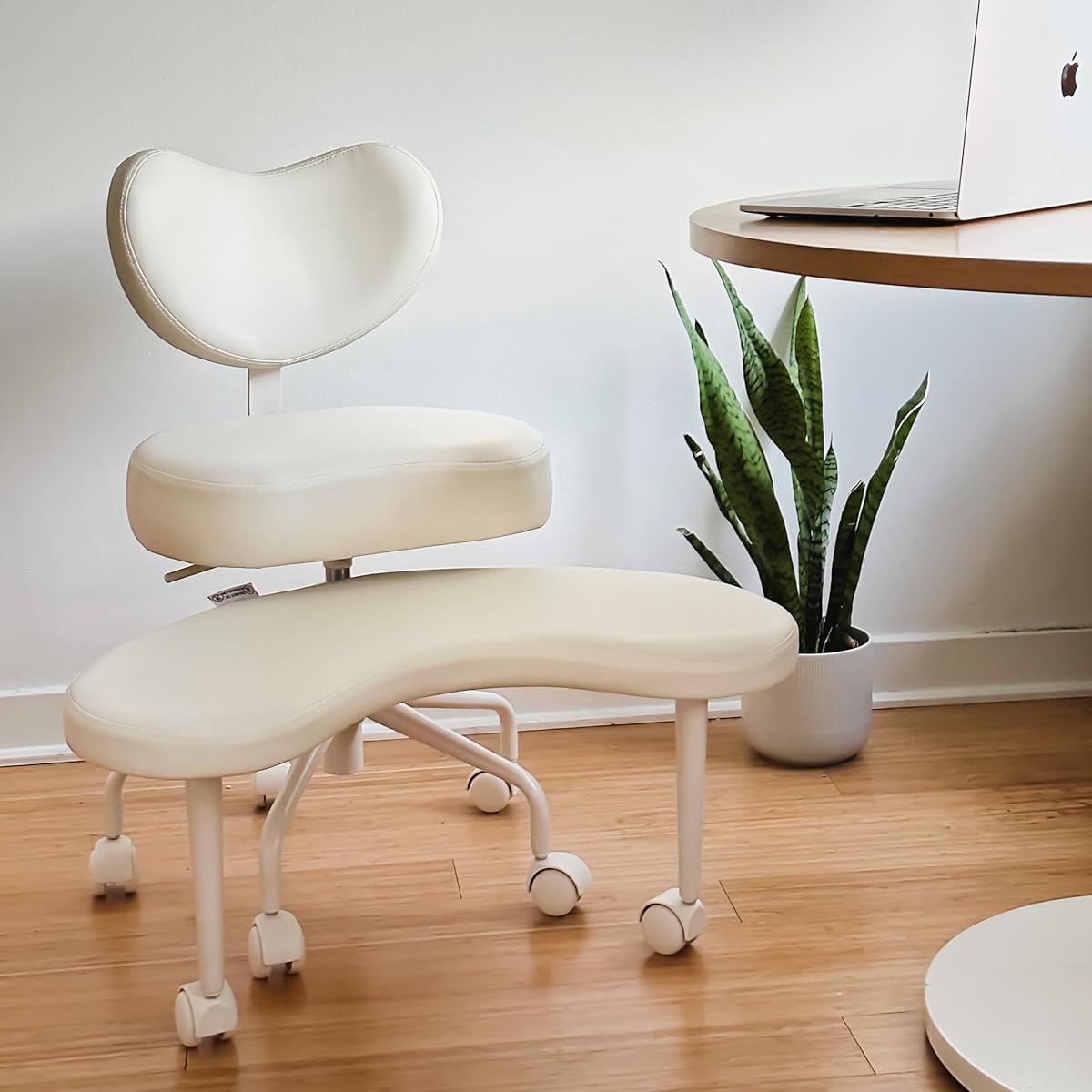
The Pipersong Meditationsstuhl Plus represents a hybrid category blending meditation stools with active sitting desk chairs. Buyers should understand this isn't a traditional office chair but a cross-legged 'Kreuzbeinstuhl' designed for positional changes. Its value lies in the integrated lumbar support and adjustable footstool, which are critical for transitioning between floor-sitting and elevated postures.
Key Considerations Before Buying
- Assess your primary use case: this chair's flexible design supports meditation, floor-desk work, and active sitting, but may not suit traditional 8-hour desk work requiring a high back.
- Evaluate the adjustable footstool's importance for your body; it's key for relieving pressure when sitting cross-legged and affects overall ergonomic alignment.
- Consider the 'Elfenbein' (ivory) fabric's maintenance and how the open, stool-like design without a full backrest aligns with your need for spinal support versus freedom of movement.
What Our Analysts Recommend
For this category, inspect the sturdiness of the central pivot allowing seat tilt and the quality of the lumbar pad attachment. A quality meditation chair should have a stable, wide base to prevent tipping during positional shifts and dense, supportive foam that won't bottom out during extended floor-sitting sessions.
Desk Chairs Market Context
Market Overview
The market for hybrid ergonomic chairs like the Pipersong is growing, catering to remote workers and wellness enthusiasts seeking alternatives to static seating. These products sit at the intersection of office ergonomics, meditation accessories, and physical therapy tools, often commanding a premium for multi-functional design.
Common Issues
Common issues with cross-legged chairs include insufficient padding for bony prominences (ischial tuberosities), wobbly bases when leaning, and lumbar supports that are poorly positioned or lack adjustability. Users often report difficulty adapting to the active sitting requirement if coming from highly supportive executive chairs.
Quality Indicators
Look for chairs with a solid, multi-point base (not a single column), high-density molded foam that retains shape, and robust adjustment mechanisms for the footrest and lumbar support. The connection points between the seat and base should show no lateral play, indicating stable construction for safe tilting.
Review Authenticity Insights
Grade B Interpretation
A Grade B with a 10% estimated fake review rate suggests the majority of the 283 reviews are trustworthy, but shoppers should maintain healthy skepticism. The adjusted rating of 4.00/5 (down from 4.22) indicates that removing suspicious feedback slightly lowers the score, but it remains firmly positive.
Trust Recommendation
Focus on the verified purchase reviews (all marked 'V'), particularly the detailed 3 and 4-star ratings, as they likely contain nuanced feedback about the chair's adaptability and limitations. The natural rating distribution (including 1-star reviews) is a positive authenticity signal for this niche product.
Tips for Reading Reviews
Prioritize reviews discussing specific use cases like 'meditation,' 'hip flexibility,' or 'sitting at a low desk.' Look for mentions of the footstool's adjustability range and the lumbar support's effectiveness over hours, as these are product-specific pain points generic reviews often omit.
Expert Perspective
The Pipersong Meditationsstuhl Plus appears to be a legitimate, well-received product in a niche category, with an authentic rating solidly at 4.0. Its design addresses a specific need for flexible, multi-position sitting rather than trying to be a universal chair. The inclusion of a lumbar support and adjustable hocker sets it apart from basic meditation stools, justifying its position in the desk chair category. The review data suggests it successfully meets expectations for users seeking its unique hybrid functionality.
Purchase Considerations
Weigh your willingness to engage in active sitting against your need for passive support. This chair requires more postural engagement than a traditional task chair. Consider your hip and knee flexibility for the cross-legged positions, and ensure your desk height is compatible with the chair's elevated seating posture when using the footstool.
Comparing Alternatives
Shoppers should compare this chair's specific feature set—particularly the integrated lumbar support and adjustable footstool—against simpler meditation cushions and other active sitting stools to ensure they need this particular combination.


