Precision Weighing Under 50g: How to Choose a Reliable Milligram Scale
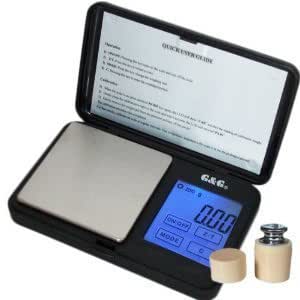
When your measurements hinge on 0.001g increments, even a fine hair can tip the balance. This 50g capacity scale with six weighing units (g, mg, oz, ct, gn, and more) is designed for jewelers, chemists, and hobbyists who demand accuracy without breaking the bank. Understanding its performance and limitations is key to getting the most from your purchase.
Key Considerations Before Buying
- Capacity vs. readability: At 50g maximum, this scale excels for small samples like precious metals or powder, but for heavier items you'd need a larger capacity model. Ensure your typical weighing tasks fall well below 50g to avoid overloading.
- Calibration and weights: The included calibration weights are essential for maintaining accuracy. Regularly calibrate with the 50g weight (or a certified set) to compensate for drift due to temperature or handling.
- Six weighing units: The multi-unit feature (grams, milligrams, ounces, troy ounces, carats, and grains) is handy for converting recipes or comparing international standards. Verify that the unit you need (e.g., grains for reloading) is supported.
What Our Analysts Recommend
A quality milligram scale should have a sturdy build, a draft shield to prevent air currents from affecting readings, and a stable base. Check for a clear LCD display and a responsive tare function. Also, ensure the scale includes a calibration weight and that the accuracy spec (e.g., ±0.003g) matches your needs.
Scales & Balances Market Context
Market Overview
The market for precision scales under 50g is crowded with options ranging from budget jewelry scales to lab-grade instruments. Most consumers seek a balance between cost and accuracy, with many opting for scales that offer 0.001g readability at prices under €30. This segment is popular among hobbyists, small business owners, and educational users.
Common Issues
Common problems include poor repeatability (inconsistent readings), sensitivity to environmental factors like vibrations and air drafts, and battery life that depletes quickly. Some budget scales also suffer from inaccurate internal calibration, leading to drift over time.
Quality Indicators
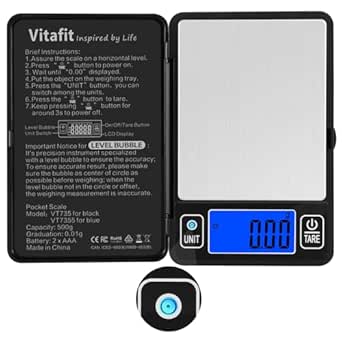
Look for scales with a stainless steel pan, a calibration function, and a reputation for consistency. Reviews that mention 'stable readings' and 'works well with included weights' are positive signs. Also, check if the scale has a protective cover and a leveling bubble—features that enhance longevity and accuracy.
Review Authenticity Insights
Grade B Interpretation
The Grade B rating and 12% estimated fake review rate indicate that while most reviews are genuine, a noticeable minority may be incentivized or fabricated. This is typical for budget electronic scales, where sellers sometimes boost ratings. The adjusted rating of 4.20/5 still reflects strong real-world satisfaction, but you should not rely solely on the 4.44 average.
Trust Recommendation
Trust the detailed, balanced reviews that mention specific pros and cons, such as 'great for the price but needs frequent calibration.' Look for reviewers with verified purchases and those who have used the scale for a few weeks. Be wary of overly enthusiastic one-liners or repetitive praise about 'perfect accuracy' without any context.
Tips for Reading Reviews
For a scale like this, focus on reviews that discuss calibration, repeatability, and the included weights. Check for photos of the scale in use, as they often reveal the actual size and readability. Also, cross-reference reviews across multiple platforms to see if any consistent issues emerge, like battery drain or inconsistent readings at low weights.
Expert Perspective
Based on the analysis, this 50g/0.001g scale performs admirably for its price point, with genuine user reports of accurate measurements and a solid feature set. The high number of reviews and the adjusted rating of 4.20/5 suggest that the product meets expectations for most everyday precision tasks. However, the 12% fake review rate is a reminder to approach highly positive reviews with some caution.
Purchase Considerations
Consider your specific use case: if you need to weigh tiny amounts like 0.005g, this scale's readability is adequate, but you must ensure it is calibrated properly and used in a stable environment. If you require legal-for-trade accuracy, this is not the right tool; instead, invest in a certified analytical balance. For most non-critical applications, this scale offers excellent value.
Comparing Alternatives
While this scale is a strong contender, shoppers should compare with similar models from brands like AWS or Smart Weigh, which may offer better build quality or longer warranties. Always check the return policy and customer support responsiveness before committing.