
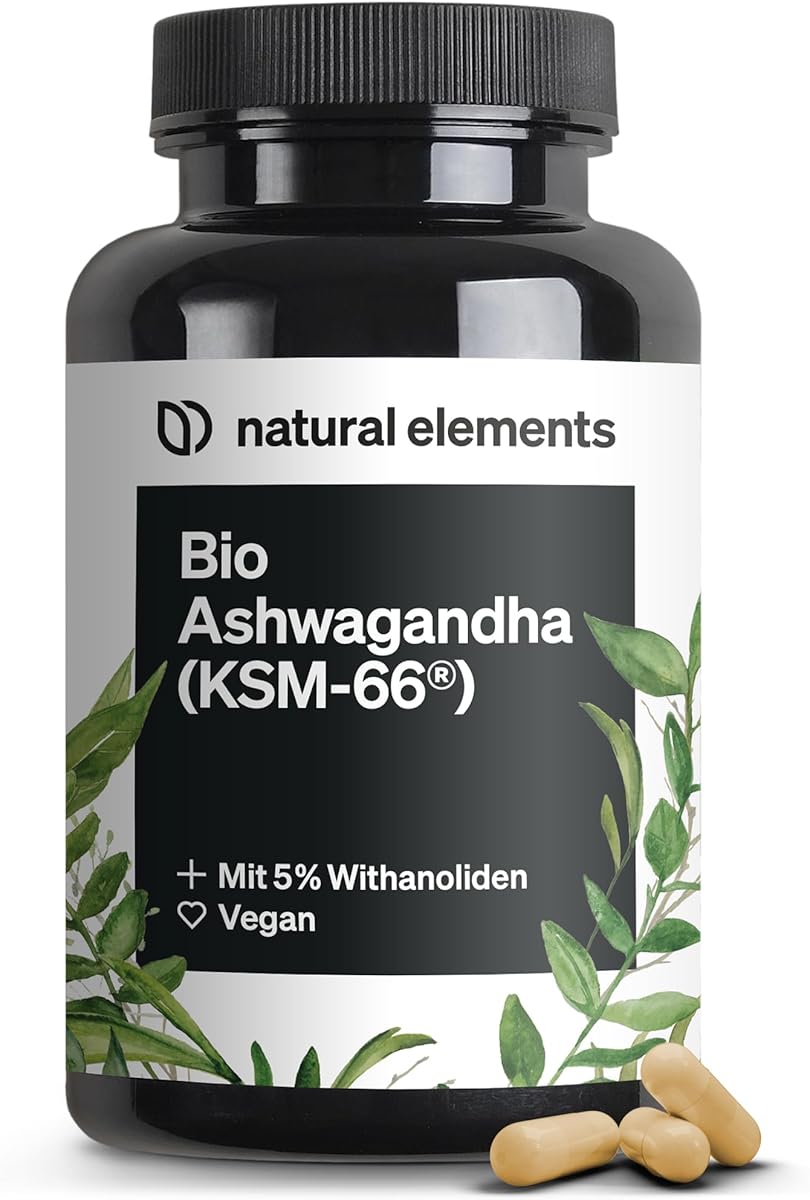
Evaluating Premium Ashwagandha: Why KSM-66 and Withanolide Content Matter
When considering this specific natural elements Bio-Ashwagandha supplement, buyers should understand that it uses KSM-66® extract, a clinically studied form standardized to 5% withanolides. The 180-capsule supply offers extended usage, but the high concentration requires understanding proper dosing for individual needs.
Key Considerations Before Buying
- The 5% withanolide standardization indicates a potent extract, but check if this concentration aligns with clinical studies you're referencing for specific health goals.
- KSM-66® is a premium trademarked extract with research backing, but verify your sensitivity to adaptogens as effects can vary significantly between individuals.
- The 180-capsule count provides value but consider your commitment to a long-term supplement regimen before purchasing bulk quantities.
What Our Analysts Recommend
For Ashwagandha supplements, prioritize third-party laboratory verification like this product's 'laborgeprüft' claim, which confirms purity and standardized withanolide content. Vegan capsules indicate attention to formulation details, but also check for fillers or additives in the ingredient list beyond the core extract.
Ashwagandha Market Context
Market Overview
The German Ashwagandha market is saturated with varying quality levels, where products range from crude root powders to highly concentrated extracts like this KSM-66 offering. Premium brands increasingly compete on standardization percentages and extract trademarks.
Common Issues
Many supplements fail to disclose withanolide concentrations or use inferior extracts with inconsistent potency. Some products cause digestive discomfort when not properly processed, making vegan capsule formulations potentially advantageous for sensitive users.
Quality Indicators
Look for specific extract names (KSM-66®, Sensoril®), clearly stated withanolide percentages (5% is considered robust), and independent lab verification. German products should also display appropriate health claim compliance for the market.
Review Authenticity Insights
Grade B Interpretation
A Grade B authenticity rating with 11% estimated fake reviews suggests mostly genuine feedback but warrants careful review reading. The adjusted 4.60/5 rating (down from 4.89/5) indicates some review inflation but still reflects strong user satisfaction.
Trust Recommendation
Focus on reviews that mention specific German usage contexts, timing of effects (Ashwagandha typically requires weeks), and individual health goals rather than generic praise. The high genuine review percentage suggests reliable user experiences exist.
Tips for Reading Reviews
Prioritize German-language reviews discussing long-term use (beyond 30 days) and specific outcomes like stress response or sleep quality changes. Be skeptical of reviews claiming immediate effects, as adaptogens work cumulatively.
Expert Perspective
This product presents a compelling option with its KSM-66® extract and 5% withanolide standardization, both markers of quality in the Ashwagandha category. The 4.60 adjusted rating from nearly 10,000 reviews indicates consistently positive user experiences, though the authenticity analysis suggests moderate review manipulation. The vegan formulation and laboratory testing address common consumer concerns in the German supplement market.
Purchase Considerations
Weigh the higher upfront cost of 180 capsules against the per-serving value, and consider whether the KSM-66® extract's specific research profile matches your health objectives. Those new to Ashwagandha might prefer smaller quantities to assess tolerance before committing to bulk supply.
Comparing Alternatives
Compare with other KSM-66® products on withanolide percentage, capsule count, and price per serving, as standardization levels can vary even within the same extract type.


