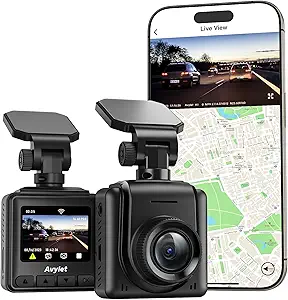
Dual-Channel Dash Cams: What to Know Before Buying a 4K/1080p Kit
The Caemra 4K + 1080p dual-camera dash cam promises front 4K recording and rear 1080p coverage with WiFi and an included memory card—a combination that appeals to Canadian drivers wanting full-vehicle evidence. But dual-channel systems introduce trade-offs in resolution, storage, and installation that single-camera buyers never face.
Key Considerations Before Buying
- Confirm that 4K recording applies only to the front camera; the rear unit typically maxes out at 1080p, and simultaneous dual recording can halve effective frame rates or bitrates on budget chipsets. Check whether the rear camera is wired or wireless, as wireless rear units often suffer signal drops in hatchbacks and SUVs.
- The included memory card is rarely a high-endurance model; dash cams write continuously and heat up, so plan to replace it with a high-endurance microSD card rated for surveillance use. A 64GB card typically holds only a few hours of dual-channel 4K footage before loop overwriting begins.
- WiFi connectivity sounds convenient, but on budget dash cams it often means a slow 2.4GHz transfer that takes minutes to download a single clip. Verify whether the app supports live view and firmware updates, and whether parking mode requires a separate hardwire kit—most WiFi models do.
What Our Analysts Recommend
Prioritize dash cams with a supercapacitor rather than a lithium battery, since Canadian temperature swings from -30°C to 35°C destroy batteries quickly. Look for clearly stated sensor models (e.g., Sony STARVIS) and lens apertures of f/1.8 or wider for night performance, plus evidence of loop recording reliability in reviews from long-term owners.
On-Dash Cameras Market Context
Market Overview
The dash cam market is flooded with white-label dual-channel kits that share similar hardware but vary wildly in firmware quality and support. Prices have dropped sharply, making 4K front/1080p rear setups accessible, but brand longevity and firmware updates remain inconsistent—especially for models sold under unfamiliar names.
Common Issues
Common complaints include rear camera cables failing at the hinge point, WiFi apps that disconnect mid-download, and GPS or parking-mode features that require extra purchases not mentioned prominently. Heat-related shutdowns in summer and unreliable loop recording that fails to overwrite old files are also frequent failure points.
Quality Indicators
Strong indicators include detailed spec sheets listing sensor and chipset models, a visible firmware update history, and responsive customer support. Reviews that mention months of use without issues, clear night footage samples, and successful warranty claims are more telling than unboxing impressions.
Review Authenticity Insights
Grade B Interpretation
A Grade B with an estimated 15% fake review rate means roughly one in seven reviews may be inauthentic—higher than ideal but not alarming for this category. The adjusted rating of 4.50/5 versus the displayed 4.89/5 suggests genuine buyers are still largely satisfied, just less uniformly enthusiastic.
Trust Recommendation
Treat the 4.89 rating as inflated and anchor your expectations around 4.5/5. Read the verified-purchase reviews that describe installation quirks, rear camera cable routing, and app performance, since these details are hard to fake and reveal real-world usability.
Tips for Reading Reviews
Filter for reviews mentioning specific Canadian conditions—winter cold starts, parking mode in extreme heat—and look for photos or video samples. Be skeptical of short five-star reviews that praise 'easy setup' without naming the vehicle or mounting location.
Expert Perspective
The Caemra dual-channel kit offers compelling value on paper: 4K front coverage, a rear camera, WiFi, and a bundled card at a price point that undercuts established brands. However, the 15% suspicious-review estimate and the gap between displayed and adjusted ratings suggest the product's reputation is partly manufactured. Genuine reviewers appear to focus on installation and image quality, which are the right things to evaluate—but long-term durability and firmware support remain open questions.
Purchase Considerations
Weigh the low upfront cost against the likelihood you'll replace the included memory card and possibly the rear cable within a year. If you need reliable parking mode or cloud features, budget for a hardwire kit and confirm app support before buying. Canadian winters make supercapacitor-based models preferable, so verify the power source.
Comparing Alternatives
Compare this kit against established dash cam brands with documented firmware histories and Canadian warranty support, especially if you plan to rely on footage for insurance claims.