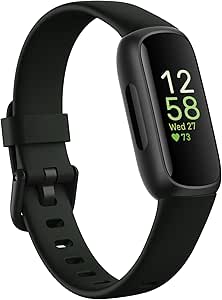
What to Know Before Buying a Budget Smart Bracelet Tracker
This smart bracelet promises continuous heart rate and blood pressure monitoring, sleep tracking, and 170+ sport modes at a budget price. But features like blood pressure monitoring on a wrist device and a 60-day battery claim deserve a closer look before you commit.
Key Considerations Before Buying
- Wrist-based blood pressure monitoring is not medically validated on most budget trackers; treat readings as trend indicators, not diagnostic data. If you need clinical accuracy, a cuff-based monitor is the appropriate tool.
- The 60-day battery claim almost certainly assumes minimal use with continuous monitoring disabled. Expect far shorter real-world endurance (likely 7–14 days) once heart rate and blood pressure tracking are active.
- 170+ sport modes sounds impressive, but most budget bands only accurately track a handful of activities like walking, running, and cycling. Verify that the modes you actually use are supported with proper GPS or accelerometer data.
What Our Analysts Recommend
Check whether the app is genuinely free without subscription paywalls for core features—many budget trackers hide sleep or health insights behind premium tiers. Also confirm IP68 means water resistance for swimming, not just splashes, and look for reviews that mention sensor accuracy during workouts rather than just step counts.
Activity Trackers Market Context
Market Overview
The budget fitness tracker market is crowded with similar-looking bands from lesser-known brands, many sharing the same underlying hardware and app platforms. Differentiation often comes down to app quality, sensor calibration, and after-sales support rather than the hardware itself.
Common Issues
Common complaints in this category include inaccurate heart rate readings during high-intensity exercise, sleep tracking that misclassifies wakefulness, and companion apps that are buggy or require account sign-ups that harvest data. Battery estimates are routinely overstated, and water resistance can degrade over time.
Quality Indicators
A trustworthy budget tracker will have reviews that specifically discuss sensor accuracy compared to chest straps or medical devices, and mention app stability over months of use. Look for brands that publish firmware updates and respond to support requests, as this signals long-term commitment.
Review Authenticity Insights
Grade B Interpretation
A Grade B authenticity rating with an estimated 15% fake review rate means most reviews are genuine, but a meaningful minority may be incentivized or manipulated. The adjusted rating of 4.30/5 versus the displayed 4.67/5 suggests the true customer satisfaction is solid but not exceptional.
Trust Recommendation
Focus on the adjusted rating of 4.30 as a more realistic indicator of quality. Read reviews that mention specific drawbacks or compare the product to other trackers, as these are more likely to be authentic and helpful.
Tips for Reading Reviews
Prioritize reviews that describe long-term use (weeks or months) and mention specific features like blood pressure readings or battery life in detail. Be skeptical of reviews that only praise the product without any criticism, especially if they use identical phrasing across multiple listings.
Expert Perspective
This smart bracelet offers an attractive feature set for the price, but the continuous blood pressure monitoring claim is a red flag for regulatory and accuracy reasons. The 4.30 adjusted rating indicates most buyers are satisfied, likely for basic activity and sleep tracking, but expectations should be managed around medical-grade health metrics.
Purchase Considerations
If you want a budget band for step counting, basic heart rate trends, and notifications, this could be a reasonable value. However, if accurate blood pressure or sleep staging is important, consider spending more on a brand with validated sensors and a proven app ecosystem.
Comparing Alternatives
Compare this against established budget trackers from brands like Xiaomi or Fitbit, which often have more transparent sensor validation and better app support, even if they cost slightly more.