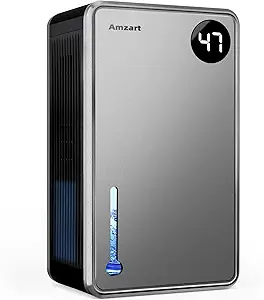
Why Your Basement Needs an 80-Pint Dehumidifier: Key Buying Insights
When tackling dampness in a large basement or sprawling 5200 sq. ft. home, an 80-pint dehumidifier is a powerful ally. However, as our analysis of this particular model reveals, not all high-capacity units deliver on their promises, so understanding what to look for is crucial before you invest.
Key Considerations Before Buying
- Drainage method: While this unit offers two drainage options, user reviews frequently mention leaking hoses. Ensure you inspect the hose connection quality and consider purchasing a reinforced hose to avoid water damage.
- Noise level: Despite being marketed as 'low-noise,' many users report it's louder than expected. If you plan to run it in a living area or bedroom, check the decibel rating and look for user comments about actual noise levels.
- Auto defrost and restart: These features are essential for basements, especially in colder climates. Verify that the auto-defrost activates correctly and that the restart function works after a power outage to prevent mold growth during downtime.
What Our Analysts Recommend
Look for a model with a robust build, especially around the water tank and hose connections, as these are common failure points. Check for a clear control panel and intuitive settings, as some users found the controls on this unit difficult to navigate. Also, consider the warranty and customer support reputation, as durable issues may require service.
Dehumidifiers Market Context
Market Overview
The dehumidifier market is flooded with options claiming high capacity and energy efficiency, but the reality often falls short. Consumers are increasingly savvy, looking for units that not only remove moisture but also operate quietly and reliably over time.
Common Issues
Common problems in this category include inaccurate humidity readings, water leakage, and premature breakdowns. Many users also report that the actual water removal capacity is less than advertised, especially in humid conditions.
Quality Indicators
High-quality dehumidifiers typically have a solid construction, reliable electronic controls, and a well-designed water collection system. Look for units with a good track record of few service calls, positive long-term reviews, and certifications from recognized standards like Energy Star.
Review Authenticity Insights
Grade B Interpretation
The Grade B and 10% fake review estimate indicate that while the majority of reviews are genuine, a small portion may be unreliable. This means the overall 1.4-star adjusted rating is likely a true reflection of user experience, but you should still read individual reviews for specific insights.
Trust Recommendation
Given the low rating and the presence of some fake reviews, be cautious. Trust the detailed, balanced reviews that mention specific pros and cons, and be wary of overly positive or negative one-liners. Consider looking for verified purchase badges to ensure authenticity.
Tips for Reading Reviews
When reading reviews for this dehumidifier, focus on those that describe long-term use (over 6 months) and include specific performance data, such as how often the tank needs emptying or the humidity level achieved. Also, look for recurring issues like the hose leaking or unit failure after a few months—these are red flags.
Expert Perspective
Based on the analysis, this 80-pint dehumidifier falls short of expectations. The 1.4-star rating and prevalent complaints about leaking, noise, and durability suggest that while it may have the capacity, it lacks the reliability needed for a critical appliance. The features like auto defrost and restart are present but may not function optimally in real-world conditions.
Purchase Considerations
Before purchasing, weigh the low price (if any) against the high risk of malfunction and water damage. If you need a dehumidifier for a basement, consider investing in a more reputable brand with a proven track record, even if it costs more. Check the return policy and warranty to protect yourself.
Comparing Alternatives
It's wise to compare this model with other 80-pint dehumidifiers from brands like Frigidaire, hOmeLabs, or LG, which often have better user ratings and reliability. Read independent reviews and consumer reports to make an informed choice.