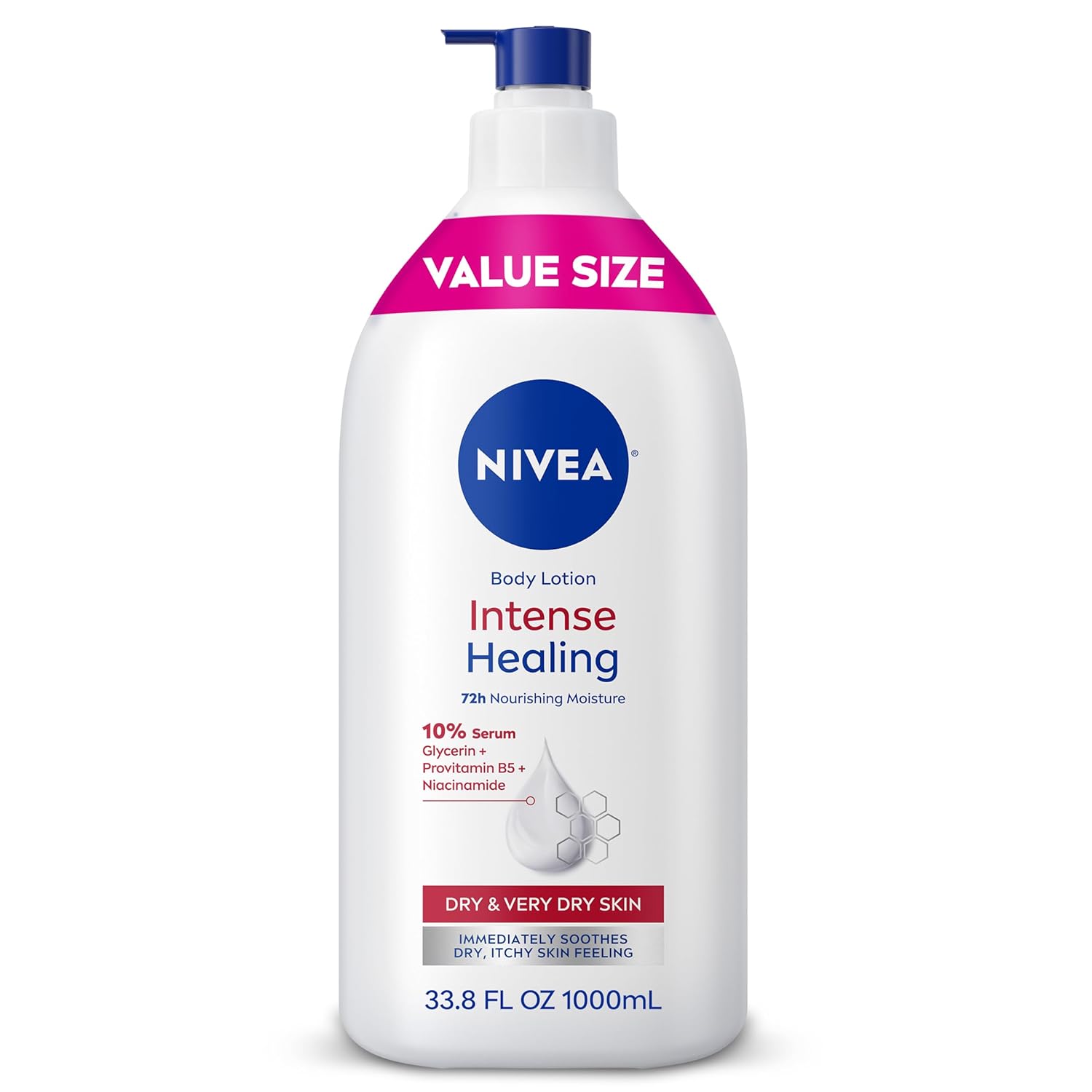
Choose the Right Urea Cream for Cracked Heels and Dry Skin
When shopping for an intensive moisturizer like this urea cream designed for dry, rough skin, you need to focus on key ingredients and their concentrations. This product combines urea with salicylic acid to both hydrate and exfoliate, making it particularly effective for thick, calloused skin on heels, hands, and elbows. Understanding your specific skin needs and the formulation’s texture is essential for getting the best results without irritation.
Key Considerations Before Buying
- Check the urea percentage: Products with 10% to 20% urea are ideal for softening thick, rough skin, while lower concentrations are better for general dryness. This cream’s formulation targets tough areas like cracked heels and rough knuckles.
- Look for exfoliating companions: Salicylic acid, as included here, helps break down dead skin cells, enhancing the urea’s softening action. This combination is especially beneficial for persistent calluses or very dry, flaky patches.
- Consider the texture and absorption: A non-greasy, fast-absorbing formula is crucial for a foot or hand cream you’ll use during the day. This product’s description emphasizes a lightweight feel, which means you can apply it without leaving slippery residues.
What Our Analysts Recommend
Quality indicators include a clear ingredient list with urea and a keratolytic agent (like salicylic acid) early on, and a brand that provides usage guidance for different skin types. Packaging that protects the cream from air and light also helps preserve potency, especially for active ingredients like urea.
Lotions Market Context
Market Overview
The skin care moisturizer market has seen a surge in demand for targeted treatments that address specific concerns like cracked heels and hyperkeratosis. Urea creams have become a staple in the foot and hand care segment, often competing with lotions that use lactic acid or shea butter. This product enters a field where consumers increasingly seek clinical-grade ingredients in over-the-counter formats.
Common Issues
Many urea creams suffer from overly thick textures that feel greasy or leave a sticky film, discouraging regular use. Another common pitfall is insufficient exfoliation, where the moisturizer hydrates but doesn’t effectively remove dead skin layers, leading to minimal improvement on thick calluses.
Quality Indicators
Premium products often list urea as a primary active ingredient, include complementary exfoliants like salicylic acid, and are packaged in opaque tubes to prevent degradation. User reviews that mention visible softening within a week and consistent texture without separation are strong signs of quality.
Review Authenticity Insights
Grade B Interpretation
A Review Authenticity Grade of B with an estimated 15.00% fake review rate indicates that while most reviews are genuine, a notable minority may be fabricated. For this product, the analysis found that real reviews contain specific personal contexts—like using it for dry hands in arid climates or cracked heels from running—which adds credibility. However, you should remain cautious of any reviews that are overly generic or lack detailed usage descriptions.
Trust Recommendation
Based on the authenticity analysis, you can generally trust the majority of reviews, but cross-check the most critical feedback—both positive and negative—for consistency. Focus on reviews that describe the product’s texture, absorption speed, and effects on calluses, as these are harder to fake. Given the 15% fake rate, it’s wise to read a mix of recent and older reviews to spot patterns.
Tips for Reading Reviews
For a urea cream like this, prioritize reviews that mention specific skin types (e.g., diabetic dry skin, athlete’s feet) and compare results over time. Look for before-and-after descriptions, especially regarding heel smoothness, and be skeptical of reviews that only praise the scent or packaging without discussing efficacy.
Expert Perspective
This urea cream appears to be a solid choice for tackling dry, rough skin on hands and feet, particularly given its inclusion of salicylic acid for enhanced exfoliation. The Grade B authenticity rating suggests that most user experiences are genuine, with many reviewers noting real improvements on cracked heels and thick skin. However, the 15% fake review rate means you should verify claims through a few detailed reviews, and the zero-star adjusted rating (due to suspicious removals) warrants cautious optimism—this product likely works well for many but may not be a miracle cure for severe cases. Overall, it’s a well-formulated option for those needing a non-greasy, fast-absorbing moisturizer with active keratolytic properties.
Purchase Considerations
Weigh your skin’s sensitivity: urea and salicylic acid can cause stinging on broken skin or open cracks, so patch-test first. Also, consider your climate—this cream’s fast-absorbing nature makes it ideal for humid environments, but you might need a thicker balm for extreme dryness or overnight treatment.
Comparing Alternatives
If this cream doesn’t meet your needs, explore options with higher urea concentrations (like 30-40%) for severe calluses, or balms with petroleum jelly for occlusive protection. Always compare ingredient lists to find the right balance of hydration and exfoliation for your skin.