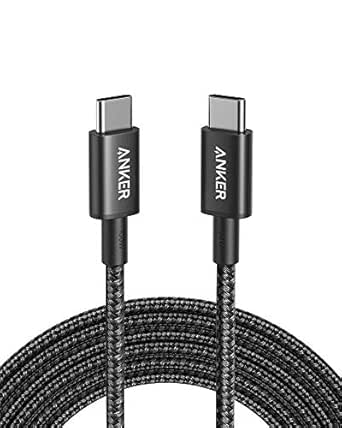
Long-Reach Flat USB-C Cables: What to Know Before You Buy
This 20-foot (6-meter) flat USB-A to USB-C cable is designed for situations where standard-length cords fall short—literally. Its slim, flat profile is built for routing along walls, under carpets, or through tight gaps, making it a practical pick for powering home security cameras or charging devices from across a room.
Key Considerations Before Buying
- Length vs. Power Delivery: At 6 meters, voltage drop becomes a real factor. This cable is best suited for low-draw devices like security cameras or controllers; don't expect fast-charging speeds comparable to a short, thick cable.
- Flat Cable Routing: The flat design is the standout feature—it lies flush against surfaces and fits through door gaps or window frames more easily than round cables, which matters for permanent installations.
- Data Sync Limitations: While it supports data transfer, long passive cables often deliver slower sync speeds. If you need frequent large-file transfers, keep a shorter cable on hand for that task.
What Our Analysts Recommend
Check for reinforced strain relief at both connectors, since long cables endure more tugging and bending. Look for reviews that mention durability after months of use, especially in fixed installations. Also verify the cable is rated for the amperage your device requires—many security cameras draw modest power, but phones may charge slowly.
USB Cables Market Context
Market Overview
The USB-C cable market is flooded with generic options, but long-length flat cables occupy a niche: they serve installation-heavy use cases like security cameras and wall-mounted setups where standard 3-6 foot cables are impractical. Demand has grown alongside DIY home security and multi-device households.
Common Issues
The most frequent complaints with long USB-C cables are voltage drop causing slow charging, connector looseness over time, and flat cables cracking at bend points. Some users also find that 20-foot cables are too stiff or bulky for tight routing despite the flat design.
Quality Indicators
Quality long cables use thicker internal conductors (often 20-22 AWG for power) to offset length-related resistance. Reinforced connector housings and flexible PVC or TPE jackets that resist kinking are good signs. Reviews mentioning consistent charging after months of use are more telling than initial impressions.
Review Authenticity Insights
Grade B Interpretation
A Grade B authenticity score with an estimated 15% fake review rate means the review pool is mostly trustworthy but not pristine. The adjusted rating of 4.00/5 (down from 4.33) suggests some inflated reviews were filtered out, leaving a still-positive but more realistic picture.
Trust Recommendation
Focus on verified-purchase reviews that describe specific installation scenarios—like routing the cable along a baseboard or connecting a camera in a garage. These are harder to fake and more useful than generic praise. Treat clusters of short, five-star reviews with skepticism.
Tips for Reading Reviews
Look for reviews mentioning durability over time, charging speed on specific devices, and whether the flat cable stayed flat after installation. Reviews that note drawbacks (e.g., slow phone charging) are often more credible and help set realistic expectations.
Expert Perspective
This cable earns its keep in a specific role: as a long-run power cable for stationary devices like security cameras, where the flat profile simplifies routing. The 4.00 adjusted rating suggests solid but not exceptional performance, with reviewers consistently praising the length and flat design while occasionally noting slower charging on power-hungry devices. It's a functional solution rather than a premium cable.
Purchase Considerations
Buy this if you need a long, routable cable for a camera or controller and can accept slower charging speeds. Skip it if you need fast charging for a phone or laptop—a shorter, higher-gauge cable will serve better. Also consider whether 20 feet is overkill for your space; excess length can be harder to manage.
Comparing Alternatives
Compare with other long flat USB-C cables that specify conductor gauge and charging wattage, as well as round 15-20 foot cables if flexibility matters more than flush routing.