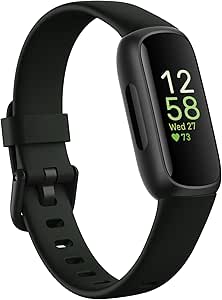
No Phone, No App: What to Know Before Buying a Standalone Fitness Tracker
This fitness tracker is designed to work entirely on its own—no smartphone app, no pairing, no subscription. It's compatible with Apple Find My for location tracking, making it a rare option for people who want step and activity tracking without the constant tether to a phone.
Key Considerations Before Buying
- Confirm what 'no app' really means: this device likely displays basic metrics like steps, distance, and calories on its own screen, but you won't get smartphone notifications, GPS maps, or cloud sync. If you need those features, this isn't the right tool.
- Check the Apple Find My integration: it's useful for locating the tracker if misplaced, but it's not a substitute for full GPS tracking during workouts. Understand that Find My compatibility is about finding the device, not tracking your route.
- Battery life and charging are critical when there's no app to remind you. Look for claims about battery duration and whether the charger is proprietary—a lost cable could render the device useless.
What Our Analysts Recommend
Look for a clear display that's readable outdoors, a comfortable band for all-day wear, and water resistance if you plan to sweat or swim. Since there's no app, the on-device interface must be intuitive; check reviews for complaints about confusing menus or inaccurate step counts.
Activity Trackers Market Context
Market Overview
The activity tracker market is dominated by app-connected devices from Fitbit, Garmin, and Xiaomi, but a niche exists for standalone trackers aimed at kids, seniors, or privacy-conscious users. These devices trade advanced features for simplicity and independence from smartphones.
Common Issues
Common complaints in this category include inaccurate step counting, poor battery life, and flimsy bands that break within months. Without an app, firmware updates and calibration are impossible, so accuracy is fixed at the factory—reviews often reveal whether a device is reliable out of the box.
Quality Indicators
A quality standalone tracker should have a clear, responsive display, a secure clasp, and consistent step accuracy across different walking speeds. Water resistance ratings (like IP67 or IP68) and a standard charging method (e.g., USB) are signs of thoughtful design.
Review Authenticity Insights
Grade A Interpretation
An A grade with an estimated 5% fake reviews means the 3.89-star rating is largely trustworthy, though not perfect. The adjusted rating of 3.80 suggests that even after removing suspicious reviews, the product has mixed but generally positive feedback.
Trust Recommendation
Given the authentic review base, you can rely on the overall rating as a fair reflection of user experience. Pay attention to the spread of ratings—a mix of 1-star and 5-star reviews often indicates polarized experiences, so read the negative ones to see if their complaints match your needs.
Tips for Reading Reviews
Focus on reviews that mention specific use cases, like step accuracy during runs or battery life after a month. Look for patterns in complaints about durability or setup, as these are common pain points for standalone trackers.
Expert Perspective
This tracker fills a specific need: basic activity tracking without a smartphone. The 3.89 rating suggests it works for many but has shortcomings—likely in accuracy or build quality—that keep it from being a top pick. The Apple Find My compatibility is a clever addition for peace of mind, but it's not a substitute for full GPS.
Purchase Considerations
If you want a simple step counter for a child or an elderly parent who doesn't use a smartphone, this could be a good fit. But if you expect advanced metrics or seamless data syncing, you'll be disappointed. Weigh the convenience of no-app setup against the lack of features.
Comparing Alternatives
Compare with other standalone trackers like the Fitbit Ace series for kids or basic pedometers, and consider whether a cheap app-connected tracker might offer more value for similar money.