Depth Calipers: What 0.01mm Resolution Really Means for Your Work
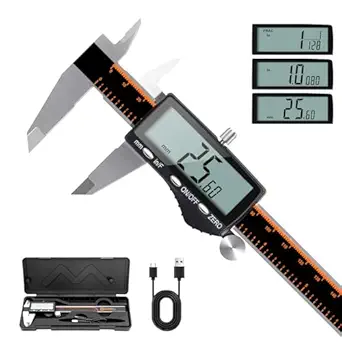
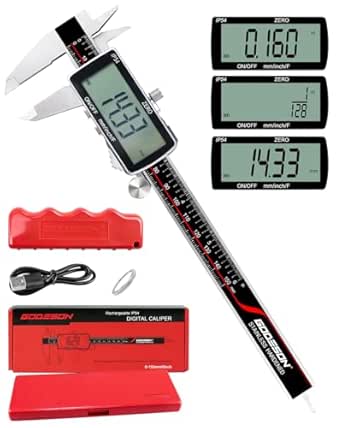
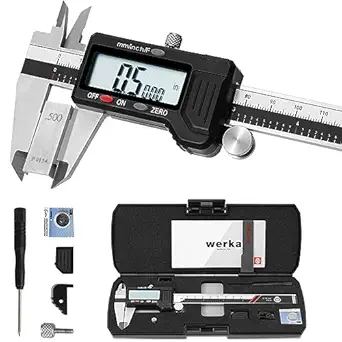
A dedicated depth caliper like this 0-150mm electronic gauge differs from a standard caliper because its measuring rod extends from the base to probe holes, slots, and recesses that standard jaws can't reach. With 0.01mm resolution and a 150mm range, it targets machinists, woodworkers, and DIYers who need repeatable depth readings rather than rough estimates.
Key Considerations Before Buying
- Confirm the base design suits your work: a narrow base fits into tight recesses and small bores, while a wider base stays stable on flat surfaces but won't seat on curved or narrow edges. Check the base width against the smallest opening you plan to measure.
- Battery and display behavior matter more than spec sheets suggest. Look for auto-off to preserve coin-cell life and a display that holds its reading when the unit powers down, so you aren't re-zeroing mid-project.
- Resolution is not accuracy. A 0.01mm display is finer than most hobbyist needs, but real-world accuracy depends on the rod's straightness and how squarely the base seats on the reference surface, so treat the last digit as a trend indicator, not gospel.
What Our Analysts Recommend
Check for a zero/ABS function that lets you re-zero anywhere along the travel, stainless or hardened steel construction on the rod and base, and a locking screw that holds the slide firmly during one-handed use. Reviews that mention smooth slide action and consistent zeroing after repeated use are stronger quality signals than claims about resolution alone.
Digital Calipers Market Context
Market Overview
Digital calipers are one of the most commoditized measuring tools on the market, with dozens of near-identical 150mm units sold under different brand names at widely varying prices. Dedicated depth calipers are a smaller niche, so buyers often choose between a standalone depth gauge and a standard caliper with a depth rod built into the end.
Common Issues
The most frequent complaints in this category are inconsistent zeroing, battery drain from units that never fully power off, and flex in the measuring rod on budget models. Water resistance and dust sealing are also rarely specified, which matters if the tool lives in a workshop rather than a clean bench.
Quality Indicators
A credible listing specifies the measuring range, resolution, and battery type, and shows the base dimensions clearly. Strong products in this category tend to have metal rather than plastic slide mechanisms and reviewers who report using them for months without drift.
Review Authenticity Insights
Grade B Interpretation
A Grade B authenticity rating with an estimated 15% fake review rate means most of the 16 reviews are likely genuine, but a meaningful minority may be incentivized or low-detail. The adjusted rating of 4.20 versus the displayed 4.57 suggests the genuine consensus is positive but less glowing than the headline score implies.
Trust Recommendation
Weight the adjusted 4.20 rating more heavily than the displayed 4.57 when setting expectations, and treat any five-star review without specific measurement details with mild skepticism. The high verified-purchase rate is a positive signal that the core buyer base is real.
Tips for Reading Reviews
Prioritize reviews that name a specific use case, such as checking valve seat depth, router table setups, or hole depths in metal, since those are hard to fabricate convincingly. Look for mentions of zeroing consistency and battery life, the two areas where budget calipers most often disappoint.
Expert Perspective
This depth caliper sits in the value tier of the digital measuring market, offering 0.01mm resolution and a 150mm range at a price point that makes it a reasonable second or third measuring tool rather than a primary instrument. The adjusted 4.20 rating across a small review base indicates buyers generally get what they expect, with the usual caveats about budget electronics. It is best suited to DIY and light shop use where occasional re-zeroing is acceptable.
Purchase Considerations
Weigh whether you need a dedicated depth gauge at all, since a standard digital caliper with a depth rod covers many of the same tasks. If you regularly measure blind holes, slots, or stepped recesses, the dedicated base design earns its place in the toolbox; if not, the money may be better spent elsewhere.
Comparing Alternatives
Compare this unit against established caliper brands and against standard calipers with depth rods before committing, paying attention to base dimensions and warranty terms rather than resolution alone.