
Choosing NiMH AAA Rechargeables: Capacity, Charging Cycles, and Storage Solutions
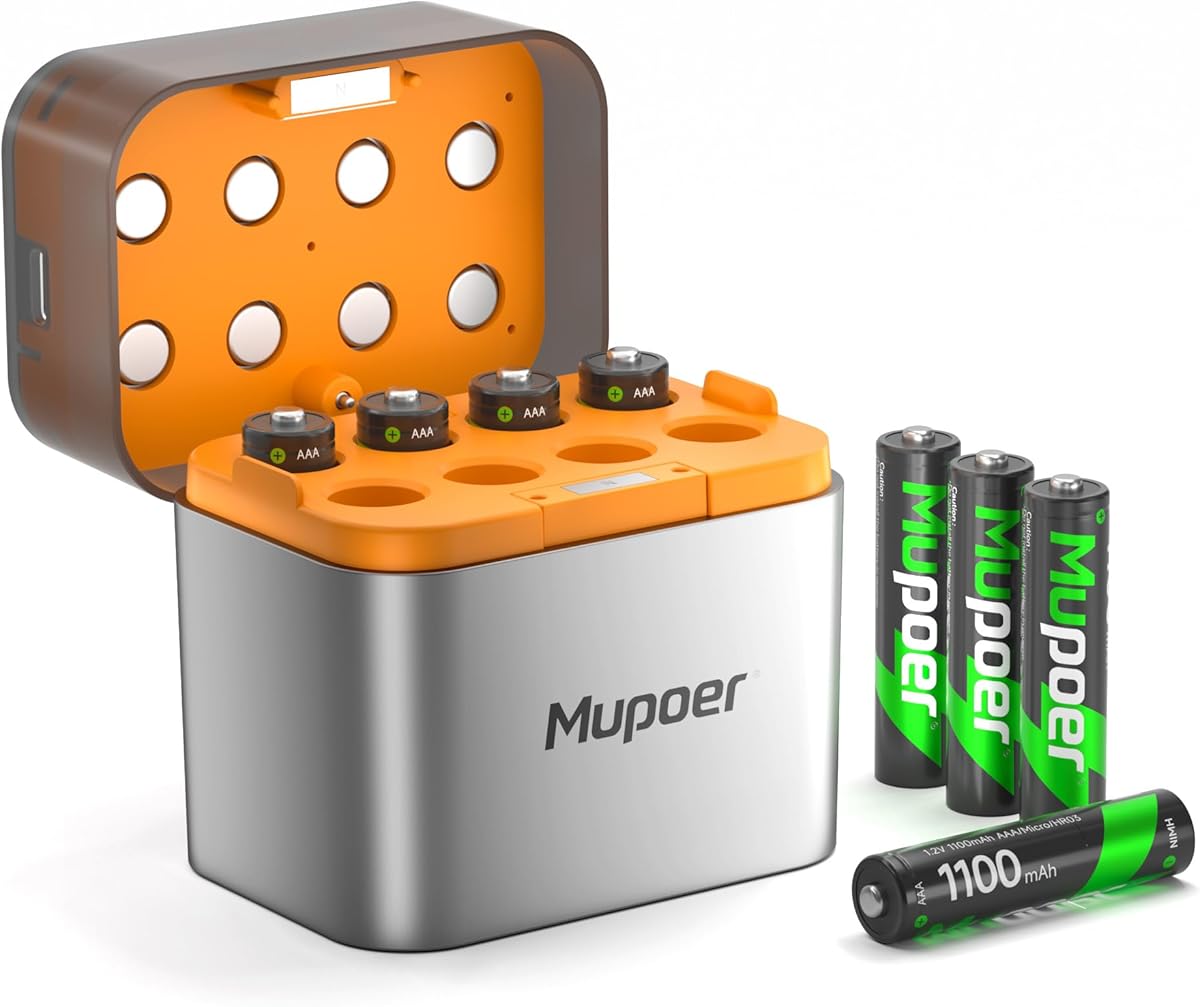
When evaluating this 8-pack of 1100mAh NiMH AAA batteries with included storage box, buyers should understand that capacity ratings represent usable energy, not just specifications. The 1.2V nominal voltage is standard for NiMH chemistry, making these compatible with most AAA devices, but their performance in high-drain versus low-drain applications will vary significantly.
Key Considerations Before Buying
- The 1100mAh capacity indicates these are mid-range NiMH batteries suitable for moderate-drain devices like remote controls and clocks, but may underperform in high-drain applications like digital cameras or gaming controllers compared to higher-capacity (1400mAh+) alternatives.
- The included removable storage box is specifically designed for AA/AAA batteries, which prevents short-circuiting and organizes your battery inventory—a practical feature often overlooked in battery purchases.
- These are marketed as 'solar batteries,' which typically means they maintain charge better during storage than standard NiMH batteries, an important factor if you use batteries intermittently rather than daily.
What Our Analysts Recommend
Quality NiMH batteries should maintain consistent performance across multiple charge cycles without significant capacity degradation. Look for batteries with low self-discharge rates (often marketed as 'pre-charged' or 'ready-to-use') and check whether the manufacturer specifies cycle life—quality NiMH batteries typically offer 500-1000 charge cycles before significant capacity loss.
Rechargeable Batteries Market Context
Market Overview
The rechargeable AAA battery market has shifted toward low-self-discharge NiMH technology, with capacities ranging from 750mAh to 1100mAh for standard models. The included storage box represents a growing trend toward complete battery management solutions rather than just selling bare cells.
Common Issues
Consumers frequently misunderstand mAh ratings, expecting higher numbers always mean better performance, when in reality the battery's internal resistance and discharge curve matter more for specific devices. Another common problem is mixing old and new rechargeables, which reduces overall pack performance.
Quality Indicators
Quality rechargeables feature consistent capacity across all cells in a pack (within 5% variance), clear cycle life specifications, and proper safety certifications. The physical construction should feel solid without loose seams, and positive terminals should be clearly marked to prevent incorrect installation.
Review Authenticity Insights
Grade B Interpretation
A Grade B authenticity rating with 10% estimated fake reviews suggests generally reliable feedback with minor manipulation concerns. The 4.60/5 adjusted rating (down from 4.80/5) indicates some review inflation but still represents strong genuine customer satisfaction.
Trust Recommendation
Focus on verified purchase reviews that mention specific use cases like 'lasted 3 weeks in my wireless mouse' or 'holds charge for months in storage.' Be skeptical of reviews that only praise the packaging or make vague claims without device-specific testing.
Tips for Reading Reviews
For rechargeable batteries, prioritize reviews that mention long-term performance over months of use, capacity comparisons to other brands, and experiences with the storage box's durability. Reviews discussing charging compatibility with specific chargers provide particularly valuable insights.
Expert Perspective
This product represents solid value in the mid-range NiMH segment, particularly for users who need organized battery storage. The 1100mAh capacity is appropriate for moderate-drain household devices, though power users might prefer higher-capacity options. The strong adjusted rating of 4.60/5 from verified purchases suggests reliable performance matching expectations. The included storage box adds practical value beyond bare cells, addressing a common organizational pain point for rechargeable battery users.
Purchase Considerations
Consider your primary use cases: these batteries excel in devices like remote controls, clocks, and low-power toys but may require more frequent charging in high-drain applications. The storage box is particularly valuable if you own multiple battery sizes and need organization. Evaluate whether you need a separate smart charger, as these batteries' performance depends heavily on proper charging techniques.
Comparing Alternatives
Shoppers should compare cycle life specifications and low-self-discharge performance against similarly priced NiMH options from established brands like Panasonic Eneloop or AmazonBasics.


