Choosing a Digital Automotive Test Light: Voltage Range, Probe Quality, and Display Accuracy
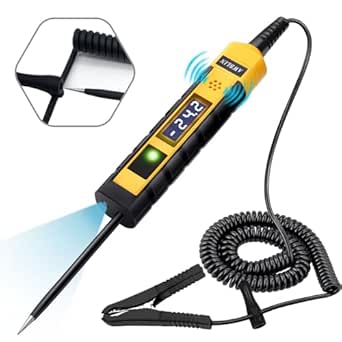
When selecting a digital automotive test light like this 5-90V model, buyers should prioritize voltage range compatibility with their vehicles and the durability of the probe and wire assembly. This specific tester's extended spring wire and stainless steel probe are designed for automotive environments, but the 5-90V range makes it unsuitable for household AC voltage testing.
Key Considerations Before Buying
- Verify the voltage range matches your needs—this 5-90V model covers most 12V automotive systems and some 24V/48V applications but excludes higher voltage EV systems.
- Assess the probe construction; this unit's stainless steel probe resists corrosion from automotive fluids better than chrome-plated alternatives.
- Consider display readability in various lighting conditions—the digital LED display on this model provides precise voltage readings but may require adequate ambient light.
What Our Analysts Recommend
Quality automotive test lights feature robust wire insulation that withstands engine bay heat and sharp edges. The spring wire on this model should retract smoothly without kinking, and the probe tip should maintain sharpness for piercing wire insulation without breaking. Look for clear polarity indication to prevent circuit damage.
Voltage Testers Market Context
Market Overview
The automotive voltage tester market has shifted from simple continuity testers to digital models with voltage displays, creating a price-performance spectrum where this 5-90V unit occupies the mid-range. Canadian consumers particularly value durability for winter conditions and compatibility with both domestic and imported vehicles.
Common Issues
Budget testers often fail at the wire-to-probe connection point or feature displays that become unreadable in direct sunlight. Some units lack proper voltage protection, risking damage when accidentally connected to higher voltage systems beyond their rated capacity.
Quality Indicators
Superior testers use silicone-insulated wires that remain flexible in cold temperatures and incorporate overload protection circuits. The probe should have a comfortable grip with clear voltage markings, while the display should update quickly enough to capture voltage fluctuations in automotive systems.
Review Authenticity Insights
Grade B Interpretation
A Grade B authenticity rating with 15% estimated fake reviews indicates generally reliable feedback but suggests some review manipulation. The adjusted rating of 4.20/5 (down from 4.56/5) reflects this filtering and represents a more accurate assessment of genuine user experiences.
Trust Recommendation
Focus on verified purchase reviews that mention specific use cases like RV electrical diagnostics or fuse panel testing. Be skeptical of reviews that only praise generic features without detailing how the extended spring wire or stainless steel probe performed in actual automotive environments.
Tips for Reading Reviews
Look for reviews mentioning the voltage display's accuracy compared to multimeter readings or experiences with the probe's durability when testing corroded connections. Canadian reviewers discussing winter performance provide particularly valuable insights for this product's real-world reliability.
Expert Perspective
This digital test light represents a solid mid-tier option for automotive electrical diagnostics, with its 5-90V range covering most conventional vehicles and RVs. The stainless steel probe and extended spring wire address common failure points in cheaper testers, though the display's visibility in bright conditions warrants consideration. The 4.20 adjusted rating from authentic reviews suggests consistent satisfaction among knowledgeable users who value the voltage display over basic test lights.
Purchase Considerations
This tester excels for fuse diagnostics and basic voltage verification but lacks the advanced features of multimeters for resistance or continuity testing. Consider whether the digital display's precision justifies the price premium over simpler test lights, particularly if you primarily need basic circuit verification rather than exact voltage readings.
Comparing Alternatives
Shoppers should compare this unit's 5-90V range and digital display against both simpler test lights and full multimeters to determine the right tool for their specific diagnostic needs.