
Choosing a DIY Relay Tester: Key Features for Accurate Automotive Diagnostics
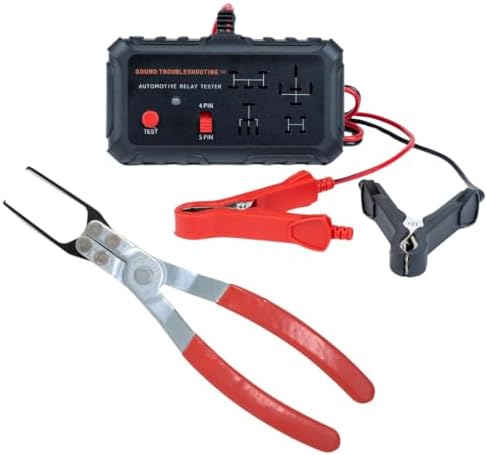
This specific Automotive Relay Tester with Relay Puller combines diagnostic functionality with physical extraction capability, making it a dual-purpose tool for DIY enthusiasts. Unlike basic testers, this unit includes battery clips for standalone operation and a built-in puller to safely remove relays without damaging terminals or surrounding components.
Key Considerations Before Buying
- Verify the tester handles both 4-pin and 5-pin automotive relays, as this model's compact design suggests compatibility with standard automotive relay configurations found in most vehicles.
- Consider the battery clip quality—this tool's clips must maintain solid contact with 12V power sources without slipping during testing procedures.
- Evaluate the relay puller's grip mechanism; effective pullers should securely engage relay housings without applying excessive force that could crack plastic components.
What Our Analysts Recommend
Quality relay testers feature clear LED indicators that differentiate between normally open and normally closed circuits, plus audible signals for continuity confirmation. The puller should have angled tips that properly seat under relay flanges without marring the relay casing or surrounding fuse box plastic.
Tools & Equipment Market Context
Market Overview
The automotive relay tester market has expanded with affordable DIY tools that previously required professional scan tools or multimeter expertise. Current offerings range from basic continuity testers to integrated systems like this one that combine testing with physical removal capabilities.
Common Issues
Many budget relay testers suffer from fragile battery clips that lose tension, unclear indicator labeling, or pullers that slip off relays during extraction. Some units lack proper voltage regulation, potentially giving false readings on marginal relays.
Quality Indicators
Superior relay testers feature color-coded LED banks with distinct patterns for different relay states, robust spring-loaded puller mechanisms, and insulated probe tips that prevent accidental short circuits in crowded fuse boxes.
Review Authenticity Insights
Grade B Interpretation
A Grade B authenticity rating with 10% estimated fake reviews indicates predominantly genuine feedback with minor manipulation concerns. For this automotive tool, the 4.60 adjusted rating (from 4.80) suggests the product performs well but may have some incentivized positive reviews.
Trust Recommendation
Focus on reviews discussing specific relay testing scenarios—like diagnosing fuel pump relays or cooling fan circuits—rather than generic praise. Verified purchase reviews mentioning the puller's effectiveness or battery clip durability carry more weight for this hands-on tool.
Tips for Reading Reviews
Prioritize reviews that describe actual diagnostic processes, such as identifying intermittent relay failures or testing relays outside the vehicle. Be skeptical of reviews that don't mention the puller function, as that's a key differentiator for this specific tool.
Expert Perspective
This relay tester's combination of diagnostic functionality and physical extraction tool addresses two common pain points in automotive electrical work. The 4.60 adjusted rating from verified purchases suggests reliable performance, though the slight rating adjustment indicates some review inflation. The integrated design eliminates the need for separate tools when troubleshooting relay-related electrical gremlins, particularly valuable for diagnosing intermittent failures in accessories like power windows or fuel systems.
Purchase Considerations
Weigh this tool's compact, integrated design against more comprehensive diagnostic tools if you regularly troubleshoot complex electrical systems. The included battery clips make it field-serviceable without vehicle power, ideal for testing spare relays or diagnosing issues in parked vehicles.
Comparing Alternatives
Compare this integrated unit against separate relay testers and extraction tools, considering whether the combined convenience justifies potential limitations in specialized functionality.


