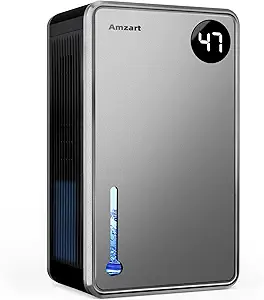
Small Dehumidifiers: Capacity, Coverage, and Smart Features That Matter
Compact dehumidifiers like this 1657ML (58OZ) model are designed for targeted moisture control in small spaces up to 230 sq ft. Unlike full-size units, they prioritize portability, low noise, and features like adjustable lighting and timers—but you must match capacity to your room's humidity load to avoid disappointment.
Key Considerations Before Buying
- Pint capacity vs. extraction rate: This unit holds 58OZ (about 3.6 pints) and extracts moisture passively via Peltier technology, which is slower than compressor-based units. It suits bathrooms or closets with moderate dampness, not chronically wet basements.
- Coverage area realism: The 230 sq ft rating assumes average conditions; in high-humidity climates or rooms with poor ventilation, expect effective coverage to be smaller. Use it as a supplemental solution rather than a whole-room fix.
- Noise and auto-shutoff: Low noise is a key selling point for bedrooms, but verify decibel levels in reviews. Auto shutoff when the tank fills prevents overflow—critical for unattended use in bathrooms or laundry rooms.
What Our Analysts Recommend
Prioritize units with a removable, easy-to-empty tank and a clear water-level window; these reduce daily hassle. Check for adjustable humidity settings and timer functions—features like 5 timers and 3 modes add convenience but only if intuitive. Build quality matters too: flimsy plastic tanks crack, and poor seals lead to leaks.
Dehumidifiers Market Context
Market Overview
The small dehumidifier market has exploded with Peltier-based units that are affordable, quiet, and portable, but often overpromise on coverage. Consumers increasingly seek smart features like color lights and timers, yet performance varies widely. Brand transparency and realistic capacity claims are becoming key differentiators.
Common Issues
Many compact dehumidifiers underperform in high humidity because thermoelectric cooling is less effective in cool temperatures. Users frequently complain about tanks filling quickly or units stopping unexpectedly—often due to auto-shutoff sensors or poor drainage design. Noise levels can also be misrepresented, with some 'quiet' models emitting noticeable fan hum.
Quality Indicators
Look for units with a dedicated humidity sensor and adjustable setpoints, not just on/off operation. A sturdy tank with a comfortable handle and a drip tray or continuous drain option signals better design. Reviews that mention long-term reliability (6+ months) are more telling than initial impressions.
Review Authenticity Insights
Grade A Interpretation
A Grade A authenticity rating with only 5% estimated fake reviews is excellent for this category, where incentivized reviews are common. The adjusted rating of 4.10/5 (down from 4.22) suggests minor but negligible manipulation, so the overall sentiment is trustworthy.
Trust Recommendation
You can generally trust the review consensus, but still prioritize reviews that detail specific use cases (e.g., 'used in a 100 sq ft bathroom') and mention duration of use. Filter for verified purchases and look for balanced feedback—reviews that note both pros and cons are more credible.
Tips for Reading Reviews
Focus on reviews that quantify performance: how often the tank fills, noise level in decibels, or impact on room humidity. Ignore generic praise and watch for repeated phrases across reviews. Also check for updates after several months, as durability issues often emerge later.
Expert Perspective
This dehumidifier offers a feature-rich package for small spaces, with adjustable lighting and timers that appeal to bedroom and bathroom users. However, its 58OZ capacity and Peltier technology limit it to moderate humidity control—it's not a substitute for a compressor unit in damp basements. The strong authenticity grade and solid 4.1/5 adjusted rating indicate reliable performance for its intended niche.
Purchase Considerations
Weigh your room's humidity level and size: if you're dealing with condensation on windows or musty odors in a small area, this could suffice. But if humidity exceeds 70% regularly, consider a larger compressor dehumidifier. Also factor in tank emptying frequency—at 58OZ, you may need to empty daily in humid conditions.
Comparing Alternatives
Compare with other Peltier units that offer continuous drainage or larger tanks, and consider compressor models if you need higher extraction rates. Reading category-specific reviews will help you balance features against real-world performance.