Choosing an Ultrasonic Cleaner: What Matters for Jewelry, Glasses, and Watches
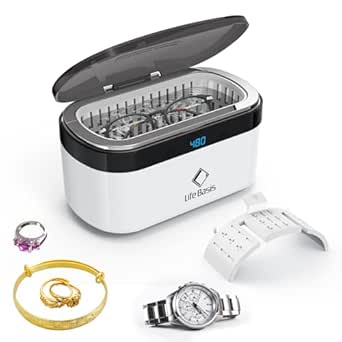
This 48KHz ultrasonic cleaner with dual modes and a 304 stainless steel tank represents a specific tier of home cleaning devices. Buyers should understand that ultrasonic frequency, tank material, and mode flexibility directly impact cleaning effectiveness for different items, from delicate rings to eyeglass frames.
Key Considerations Before Buying
- The 48KHz frequency is a mid-range setting; higher frequencies (like 80-120KHz) are gentler for ultra-delicate items, while lower frequencies provide more aggressive cavitation for heavily soiled objects.
- A 304 stainless steel tank, as used here, is corrosion-resistant and durable, but verify the tank size fits your largest common items, like watch bands or multiple rings.
- Dual cleaning modes typically offer a standard and a gentle cycle; assess if the mode differentiation is meaningful for your mix of jewelry (soft stones), glasses (coatings), and metal watch components.
What Our Analysts Recommend
Prioritize units with a clearly stated frequency (like this 48KHz), a solid tank construction, and transparent instructions about compatible cleaning solutions. Avoid cleaners with vague specifications or plastic tanks that may degrade with chemical solutions.
Cleaning & Care Market Context
Market Overview
The ultrasonic cleaner market is saturated with models ranging from under $30 to over $200, often with exaggerated claims. The '48KHz' specification places this product in a competitive mid-range segment where performance claims require scrutiny.
Common Issues
Common problems include ineffective cavitation due to weak transducers, tanks that are too small for practical use, and confusion over which cleaning solutions are safe for specific materials like opals or anti-reflective coatings.
Quality Indicators
Look for specifics: a disclosed ultrasonic frequency, the grade of stainless steel (304 is good), and a warranty. Quality units often have weighted bases to reduce 'walking' during operation and clear cycle timers.
Review Authenticity Insights
Grade A Interpretation
A 'Grade C' authenticity score with an estimated 28% fake review rate indicates significant manipulation. For this cleaner, it suggests the published 4.47/5 rating is artificially inflated, and the true user satisfaction is closer to the adjusted 3.80/5 rating.
Trust Recommendation
Heavily discount the 5-star reviews. Focus instead on the 3-star and 1-star reviews, which are more likely to be genuine and will reveal real-world limitations, such as the cleaner's performance on specific items like tarnished silver or its noise level.
Tips for Reading Reviews
Seek out reviews that mention specific items cleaned (e.g., 'turquoise ring,' 'titanium eyeglasses') and detail the process used. Be skeptical of overly emotional or vague 5-star reviews that lack such detail, as they may be part of the incentivized set.
Expert Perspective
The specifications—48KHz, 304 stainless tank, dual modes—are appropriate for a general-purpose home cleaner. However, the significant authenticity issues with its reviews are a major red flag, suggesting the seller may be compensating for average real-world performance. The adjusted 3.80 rating aligns more with a competent but not exceptional device. Its value hinges on whether its actual performance, tank size, and build quality justify its price point against competitors with more transparent review profiles.
Purchase Considerations
Weigh the stated specs against the authenticity concerns. Ask if you need a 48KHz, dual-mode machine, or if a simpler, single-mode unit from a brand with more reliable reviews would suffice. Consider the long-term need for the stainless tank if you plan to use chemical solutions.
Comparing Alternatives
Shoppers should compare this model's specs and suspect reviews against other cleaners in the same price range, paying close attention to verified purchase reviews on competing products.