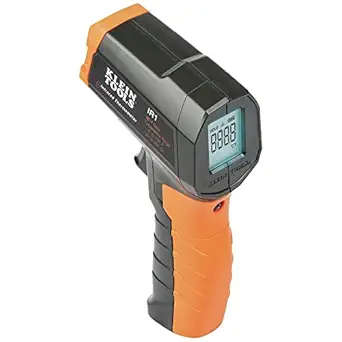
Choosing an Infrared Thermometer for Cooking and Home Use: Key Factors
When selecting an infrared thermometer like the KNINE OUTDOORS model with its -58℉ to 1112℉ range, focus on how its specifications match your intended applications. The 12:1 distance-to-spot ratio means you can accurately measure a 1-inch spot from 12 inches away, which is crucial for checking small areas like a specific part of a grill grate or a cut of meat without getting dangerously close to heat sources.
Key Considerations Before Buying
- The temperature range of -58℉ to 1112℉ covers everything from checking freezer temperatures to verifying pizza oven heat, but ensure the specific high end meets your maximum cooking needs, especially for high-heat searing or baking.
- A 12:1 distance-to-spot ratio is standard for home/kitchen use, but understand that accuracy decreases if you measure beyond the recommended distance, as the laser dot represents an averaging area, not a precise point.
- Single laser targeting, as featured here, is sufficient for most cooking tasks, but note it doesn't show the exact measurement area boundaries like dual-laser models, which can matter for very small targets.
What Our Analysts Recommend
For cooking-focused infrared thermometers, prioritize models with an adjustable emissivity setting (often missing in budget models) to account for different surface reflectivity—shiny metals like aluminum pans read less accurately. Also, check for a clear display that's readable in both dim kitchens and bright outdoor light, as the KNINE's backlit screen addresses this common pain point.
Infrared Thermometers Market Context
Market Overview
The consumer infrared thermometer market is saturated with models boasting similar specs, but performance in real-world conditions like steamy kitchens or sunny patios varies significantly. Products are increasingly marketed toward hybrid cooking/DIY use, with the KNINE's 'OUTDOORS' branding reflecting this trend toward versatility beyond just kitchen tasks.
Common Issues
Users frequently report inaccurate readings on reflective surfaces (like stainless steel pans) when emissivity isn't adjustable, and battery drain from leaving the unit on accidentally. Another common complaint is slow response time when moving between vastly different temperatures, which can hinder checking multiple items quickly.
Quality Indicators
Look for clear specifications about accuracy (typically ±1.5% or ±2°C for this class), robust construction that can withstand occasional drops, and responsive customer service. Genuine reviews often mention specific use-case performance, like checking oil temperature for frying or monitoring a smoker's external heat, rather than just listing features.
Review Authenticity Insights
Grade B Interpretation
A Grade B authenticity rating with an 11% estimated fake review rate indicates a generally trustworthy review profile, but suggests some incentivized or biased feedback may be present. The adjusted rating of 4.60/5 (down from 4.89/5) after filtering suspicious reviews is still strong and likely reflects genuine user satisfaction.
Trust Recommendation
Focus on verified purchase reviews that describe specific, practical applications like 'checking my cast iron skillet's preheat temperature' or 'monitoring my wood-fired pizza oven.' Be slightly more skeptical of overly enthusiastic reviews that don't mention actual usage scenarios, given the 11% fake rate.
Tips for Reading Reviews
For this product type, prioritize reviews that discuss performance in your intended conditions—like outdoor use in varying temperatures or quick readings during time-sensitive cooking. Look for mentions of consistency over time, as some infrared thermometers drift in accuracy, and note any patterns in complaints about specific functions like the laser alignment or button responsiveness.
Expert Perspective
The KNINE OUTDOORS thermometer presents a compelling option for home cooks and DIYers based on its strong adjusted rating of 4.60/5 from authentic reviews. Its broad temperature range and 12:1 ratio are well-suited for its advertised cooking and oven applications. The high proportion of verified purchases describing real usage—from checking grill grates to automotive uses—suggests it delivers on core functionality, though the authenticity grade B indicates consumers should still exercise normal due diligence.
Purchase Considerations
Weigh the single laser targeting against your need for precision on very small surfaces; for general meat doneness checks and oven monitoring, it's adequate. Consider whether you need the full 1112°F range or if a lower maximum would suffice, as models with extreme ranges sometimes sacrifice low-end accuracy. The 'OUTDOORS' branding implies durability, but check reviews for mentions of performance in humid or cold conditions if you'll use it outside frequently.
Comparing Alternatives
Shoppers should compare the KNINE's specifications and verified review patterns against similar models in the same price bracket, particularly regarding emissivity adjustment and battery life claims.