Portable CO Detection: What to Know Before You Buy
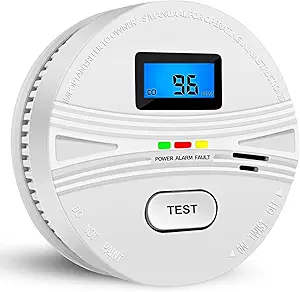
The TOPTES CT-580 is a rechargeable, portable carbon monoxide detector with a 0–1000 PPM range and a TFT color display, designed for use at home, in cars, while camping, or during travel. Unlike fixed household alarms, it combines vibration, visual, and audible alerts in a compact unit you can move between locations.
Key Considerations Before Buying
- Check whether you need a portable monitor or a fixed alarm: the CT-580 is suited to spot-checking CO levels in vehicles, tents, RVs, and temporary locations, but it is not a substitute for permanently installed, code-compliant CO alarms in a home.
- Confirm the detection range and alert types match your use case: the 0–1000 PPM range covers typical ambient and emergency levels, and the combination of vibration, visual, and audible alarms helps in noisy or dark environments where a beep alone might be missed.
- Factor in power and placement: the rechargeable battery means no disposable cells, but you should plan to keep it charged and position it at breathing height near potential CO sources rather than in a drawer until needed.
What Our Analysts Recommend
Prioritize units with a clear numeric PPM readout, multiple alarm modalities, and a display that remains legible in low light. A rechargeable battery and a documented measurement range are practical quality signals, and you should verify the manufacturer's stated accuracy and calibration guidance before relying on any portable detector.
Carbon Monoxide Detectors Market Context
Market Overview
Carbon monoxide detectors range from basic plug-in household alarms to portable monitors with digital readouts, and the portable segment has grown as buyers look for protection in cars, RVs, tents, and rentals. Prices and features vary widely, so comparing detection range, alarm types, and power source is more useful than comparing brand names alone.
Common Issues
A frequent concern with portable CO monitors is overconfidence: a low reading at one moment does not guarantee safety, and units can drift out of calibration over time. Buyers also report confusion about placement, false alarms in smoky or humid conditions, and whether a portable device meets local requirements for home protection.
Quality Indicators
Look for a specific, documented PPM range, multiple alert methods, and clear instructions on calibration and battery care. A readable display, responsive customer support, and transparent specifications are stronger signals than marketing claims, and certification or standards references—where provided—are worth checking.
Review Authenticity Insights
Grade A Interpretation
A Grade A authenticity rating with an estimated 5.00% fake review rate indicates that the overwhelming majority of the 729 reviews are likely genuine, and the adjusted rating of 4.80/5 remains high after excluding suspicious reviews. That consistency suggests the product's reputation is not being propped up by a small cluster of fabricated reviews.
Trust Recommendation
You can treat the review base as broadly trustworthy, but still verify the specific claims that matter to you—accuracy, alarm loudness, and battery life—by reading reviews that describe your intended use. The detailed, varied use cases mentioned in the analysis (furnace safety, wood stoves, travel) are a good sign that reviewers are describing real experiences.
Tips for Reading Reviews
Focus on reviews that describe a specific scenario, such as testing near a furnace or using it in a car or tent, rather than one-line praise. Look for comments on display readability, alarm volume, and how the unit behaved over weeks or months, since short-term impressions say little about long-term reliability.
Expert Perspective
The TOPTES CT-580 stands out in the portable CO detector category for combining a numeric 0–1000 PPM readout, a TFT color display, and vibration, visual, and audible alarms in a rechargeable unit. Its 4.89/5 rating across 729 reviews, holding at 4.80/5 after adjusting for suspected fakes, is a strong signal for a safety device where trust matters. The review analysis points to genuine, varied use cases rather than a narrow set of promotional reviews.
Purchase Considerations
Weigh whether you need a portable monitor for travel and spot checks versus a fixed alarm for continuous home protection, because the CT-580 is best suited to the former. Also consider your willingness to keep it charged and to follow the manufacturer's guidance on placement and calibration, since a portable detector only helps when it is powered and positioned correctly.
Comparing Alternatives
Compare the CT-580 with other portable CO monitors and with fixed household alarms on range, alarm types, and power source before deciding, since the right choice depends on where and how you plan to use it.