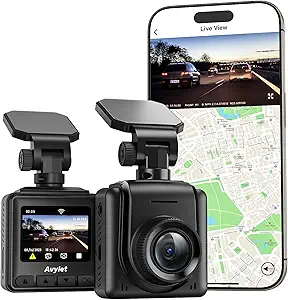
Choosing an ultracompact dash cam: What the Garmin Mini 3 reveals about priorities
When evaluating the Garmin Dash Cam Mini 3, you're not just buying a camera—you're prioritizing discretion and seamless integration over a screen or extensive manual controls. This 1080p model's defining feature is its ultracompact form factor, which means installation decisions and power management become critical considerations. The built-in Clarity™ polarizer specifically targets glare reduction, a key feature for Canadian drivers facing sun glare on winter roads.
Key Considerations Before Buying
- The 140-degree field of view is narrower than many 170-degree competitors, so consider whether you prioritize a wider capture area or potentially sharper detail in the center frame.
- Voice control and automatic recording require reliable power; assess your vehicle's USB port behavior during ignition cycles to ensure the camera boots and saves footage properly.
- Without a built-in screen, you're dependent on the Garmin Drive app for setup and playback—verify your smartphone compatibility and comfort with this workflow.
What Our Analysts Recommend
For ultracompact dash cams like the Mini 3, quality indicators include reliable capacitor-based operation (for Canadian temperature extremes), consistent loop recording that protects event footage, and a secure, low-profile mounting system. Pay attention to how the polarizer handles direct sunlight and dashboard reflections in real user videos, as this is a primary selling point.
On-Dash Cameras Market Context
Market Overview
The compact dash cam segment is increasingly competitive, with brands balancing size against features like Wi-Fi connectivity and app dependence. The Mini 3 sits in a niche prioritizing near-invisible installation, appealing to drivers who dislike obtrusive electronics or have limited windshield space. Many users now expect automatic incident detection and cloud connectivity, which this model forgoes for simplicity.
Common Issues
Common pain points in this category include unreliable parking mode due to battery drain, memory card compatibility issues (especially with high-endurance requirements), and mobile apps that fail to connect consistently. Ultracompact models often face heat dissipation challenges during summer months, which can affect reliability.
Quality Indicators
Look for consistent performance across temperature ranges, a reputable brand's video processing for license plate readability, and a straightforward, reliable method for saving and exporting incident footage. The quality of the polarizing filter—like Garmin's Clarity™—is crucial for reducing windshield reflections that obscure critical details.
Review Authenticity Insights
Grade B Interpretation
A Grade B authenticity rating with an estimated 15% fake reviews indicates a generally trustworthy review pool, but suggests you should be slightly more discerning than average. The 0.3-point drop from the displayed 4.0 to the adjusted 3.7 rating is meaningful; it signals that the authentic experience is solid but not exceptional.
Trust Recommendation
Focus on the detailed 3 and 4-star reviews for balanced perspectives, as these mid-range ratings in this analysis are most likely to be genuine. Pay particular attention to reviews discussing long-term reliability over several months and performance in specific Canadian driving conditions like low-light winter commutes.
Tips for Reading Reviews
Look for reviews that mention specific use of the voice commands ('OK Garmin, save video') or describe the app setup process in detail, as these indicate hands-on experience. Be skeptical of reviews that only praise the size without addressing video quality or the realities of a screen-less design.
Expert Perspective
The Garmin Mini 3 presents a compelling trade-off: maximum discretion and clean installation in exchange for reliance on a smartphone for all configuration and playback. The adjusted 3.7 rating from authentic reviews aligns with a product that executes its core promise—being a tiny, set-and-forget witness—quite well, but may frustrate users wanting immediate playback on a screen. The built-in polarizer is a significant differentiator, directly addressing a universal dash cam pain point. The authenticity data suggests the positive experiences are real, but the product's rating is tempered by genuine criticisms, likely related to the app experience or the narrower field of view.
Purchase Considerations
This dash cam is ideal if your top priority is a nearly invisible installation and you're comfortable managing footage via your phone. Consider it less suitable if you frequently need to quickly review footage directly in your car, or if you require the widest possible angle to cover blind spots at intersections. The voice control is a key feature that mitigates the lack of buttons.
Comparing Alternatives
Shoppers should compare the Mini 3's 140-degree lens and app-dependent design against similarly priced models with wider angles or built-in screens to see which interface trade-off suits their habits.