Choosing an Aftermarket Miter Gauge: Aluminum Construction and Fence Adjustability
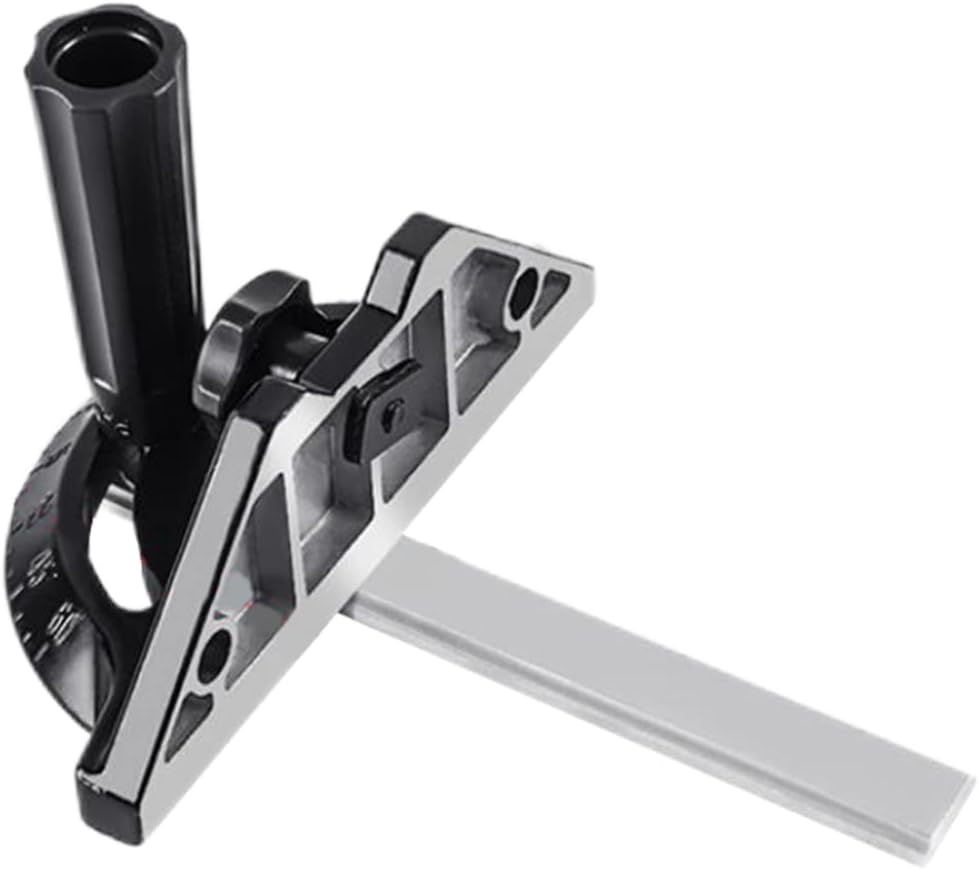
When upgrading from your table saw's stock miter gauge, this specific aluminum alloy model with an adjustable fence presents distinct trade-offs. Buyers should understand that while aluminum construction reduces weight, it may impact vibration dampening compared to cast iron alternatives. The integrated fence system aims to enhance repeatability for crosscuts and angled work.
Key Considerations Before Buying
- The aluminum alloy bar must maintain precise dimensional tolerance to slide smoothly in your saw's miter slot without play, a common failure point for budget accessories.
- Evaluate the adjustable fence's locking mechanism and scale readability, as these directly affect your ability to set and replicate precise angles for joinery or trim work.
- Consider the sled-style design's compatibility with your specific table saw model, particularly the throat plate and available workspace in front of the blade.
What Our Analysts Recommend
Inspect the machining quality of the miter bar and the hardness of the locking knobs. A quality gauge will have minimal deflection when pressure is applied and feature positive stops at common angles like 45 and 90 degrees. The fence should lock parallel to the blade without creeping during cuts.
Table Saw Accessories Market Context
Market Overview
The aftermarket miter gauge segment is crowded with products ranging from precision-machined tools to inexpensive imports, with this model occupying a mid-range position based on its materials and features. Many woodworkers seek upgrades to overcome the limitations of basic factory-installed gauges.
Common Issues
Common complaints include sloppy miter bar fit causing inaccurate cuts, poorly calibrated protractor scales, and fences that flex under clamping pressure. Wear resistance of the bar's finish is another frequent concern, as repeated use can gall aluminum in cast iron slots.
Quality Indicators
Look for anodized or hardened wear surfaces on the miter bar, machined (not stamped) angle indicators, and robust pivot mechanisms. High-quality gauges often incorporate replaceable wear strips or adjustable gibs to maintain a precise fit over time.
Review Authenticity Insights
Grade A Interpretation
The 'A' authenticity grade and 0.00% estimated fake review rate indicate the 11 reviews represent genuine user experiences, providing reliable feedback on real-world performance. This is particularly valuable for a tool accessory where practical use reveals flaws.
Trust Recommendation
Trust that the mixed rating distribution (from 1 to 5 stars) reflects authentic variance in user experience, not manipulation. Pay close attention to the 3-star review, which often contains the most balanced assessment of pros and cons for workshop tools.
Tips for Reading Reviews
Focus on reviews that mention specific applications like cutting trim or joinery, and note whether complaints address fundamental design flaws or individual quality control issues. For miter gauges, reviews discussing setup time and calibration are especially revealing.
Expert Perspective
With a modest 3.25/5 rating from verified purchasers, this miter gauge appears to deliver adequate performance for occasional use but may disappoint professionals requiring precision. The aluminum construction suggests a focus on affordability over heft, which could affect stability during heavy cuts. The authentic review profile indicates consistent experiences where some users find it a worthwhile upgrade while others encounter fit or accuracy issues typical of this price segment.
Purchase Considerations
Weigh whether the adjustable fence and sled design address your specific workflow needs versus a simpler gauge. Consider if your projects demand the absolute precision that might justify a higher-end model with micro-adjust features or if this tool's value proposition suits your frequency of use.
Comparing Alternatives
Shoppers should compare this model's fence system and aluminum construction against steel-bar alternatives and consider dedicated crosscut sleds for repetitive 90-degree cuts.