
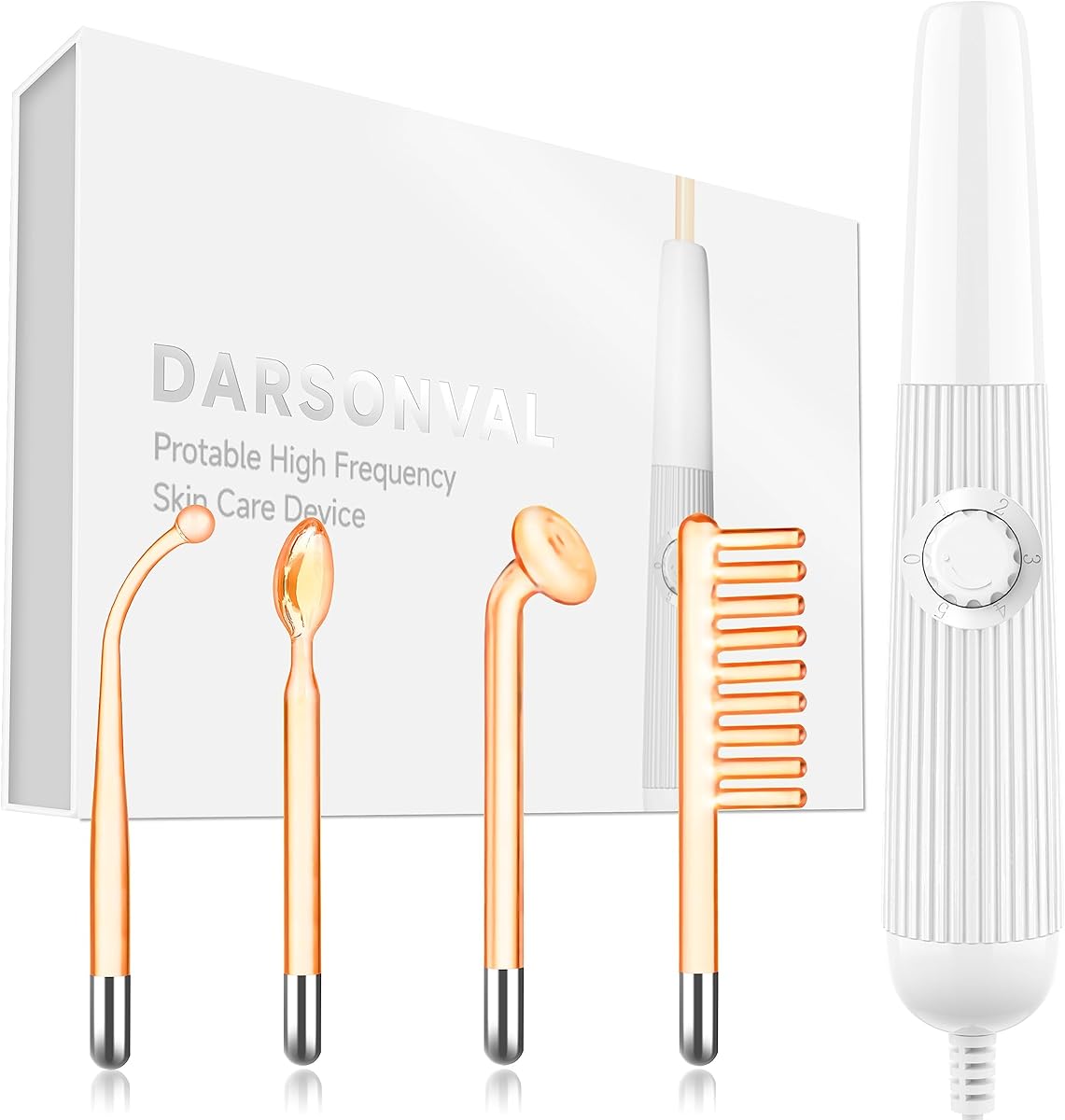
Evaluating High Frequency Wands: What Canadian Shoppers Should Know About DARSONVAL
High frequency facial devices like this DARSONVAL wand use mild electrical currents to stimulate circulation and target specific skin concerns. This particular wand is positioned as a micro-care tool, suggesting it's designed for localized treatment rather than full-face application, which affects how you should evaluate its utility.
Key Considerations Before Buying
- Consider your primary skin goal: high frequency is traditionally used for acne treatment (via antibacterial effects), product absorption enhancement, or temporary circulation boosts for dull skin.
- Assess the wand's attachment options and electrode shape—this model's design dictates whether it's suitable for spot treatments or broader areas.
- Evaluate your comfort with at-home electrical devices, as proper technique and consistent use are required to see potential benefits.
What Our Analysts Recommend
For high frequency wands, examine the glass electrode quality (argon for anti-aging, neon for acne), power consistency, and safety certifications. The DARSONVAL's specific voltage output and electrode shape will determine its ideal use cases versus other wand styles.
Skin Care Tools Market Context
Market Overview
The at-home high frequency market has expanded from professional salon devices to more affordable consumer models, creating variability in build quality and therapeutic efficacy. Canadian consumers face particular choices between multi-attachment systems and simpler wands like this DARSONVAL.
Common Issues
Users frequently report inconsistent results due to improper technique, devices that lose effectiveness quickly, or wands that feel uncomfortably hot during use. Glass electrode fragility is another recurring concern across the category.
Quality Indicators
Look for clear voltage specifications (typically 30,000+ Hz for efficacy), durable electrode construction, and multiple intensity settings. Professional-grade devices often feature removable electrodes for sanitization—check if this model offers that hygiene feature.
Review Authenticity Insights
Grade B Interpretation
A Grade B authenticity rating with 11% estimated fake reviews indicates generally reliable feedback, but suggests some incentivized reviews may be present. The 0.20-point drop from the displayed 4.00 to adjusted 3.80 rating reflects this minor inflation.
Trust Recommendation
Focus on the verified purchase reviews, which constitute the majority here. Pay particular attention to Canadian reviewers' experiences with voltage compatibility and any mentions of long-term durability beyond initial impressions.
Tips for Reading Reviews
Look for reviews detailing specific skin types and concerns (like cystic acne or rosacea), as high frequency effects vary significantly. Reviews mentioning electrode replacement or device maintenance after months of use offer particularly valuable insights.
Expert Perspective
This DARSONVAL wand's 3.80 adjusted rating from authentic reviews suggests it performs adequately for its price point but may have consistency issues. The micro-care positioning implies it's better suited for targeted treatment rather than full facial rejuvenation. The authentic review distribution shows polarized experiences—some users report noticeable improvements in acne and texture, while others find minimal effects, indicating results depend heavily on individual skin response and proper usage.
Purchase Considerations
Weigh the wand's single-electrode design against multi-attachment competitors if you have diverse skin concerns. Consider whether the potential benefits for your specific issues (like localized breakouts) justify the learning curve required for safe, effective use of electrical stimulation devices.
Comparing Alternatives
Compare this wand's electrode shape and voltage specifications against other high frequency devices, particularly noting differences between argon and neon tube models for different skin goals.


