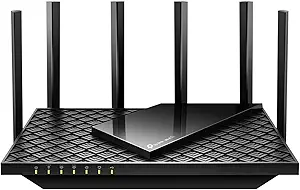
Flint 2: Why Your Next Router Needs Dual 2.5G Ports and VPN Power
When shopping for a high-performance router like the GL.iNet GL-MT6000 Flint 2, you're not just buying Wi-Fi 6—you're investing in wired throughput and security. This category targets gamers and power users who need low latency, multi-gigabit fiber support, and robust VPN capabilities without sacrificing range.
Key Considerations Before Buying
- Dual 2.5G Ethernet ports are critical for maximizing fiber optic speeds above 1 Gbps—ensure your ISP plan and devices support this standard to avoid bottlenecks.
- VPN performance varies widely; the Flint 2's dedicated hardware acceleration for WireGuard and OpenVPN matters if you route all traffic through a VPN for privacy or geo-unblocking.
- Wi-Fi 6 range and mesh compatibility affect coverage in larger homes—look for beamforming and OFDMA support to handle multiple devices without lag.
What Our Analysts Recommend
Quality indicators include verified support for the latest VPN protocols, a powerful processor (like the MediaTek Filogic 830 in the Flint 2), and dual 2.5G ports that actually deliver line-rate throughput. Also check for regular firmware updates and open-source community backing, which signal long-term reliability.
Routers Market Context
Market Overview
The router market is rapidly shifting toward multi-gigabit connectivity as fiber internet becomes more common, with Wi-Fi 6 now standard and Wi-Fi 6E gaining traction. Gaming routers are differentiating through advanced QoS, VPN integration, and higher port speeds rather than just raw Wi-Fi speed.
Common Issues
Many 'gaming' routers overhype Wi-Fi speeds while underdelivering on wired performance or VPN throughput. Users often face firmware bugs, limited 2.5G port compatibility, and poor mesh roaming when mixing brands. Heat management is also a concern under sustained load.
Quality Indicators
A quality router in this tier has a quad-core processor, dedicated NPU for packet processing, and active cooling. Verified support for multiple VPN protocols with benchmarked speeds, plus a clean admin interface, separate from the flashy gamer aesthetics, often indicates better engineering.
Review Authenticity Insights
Grade B Interpretation
The 'B' grade with an estimated 10% fake review rate suggests the majority of feedback is genuine, but you should still approach overly glowing or vague reviews with caution. This is typical for a high-rated product where incentivized or early-access reviews may inflate scores slightly.
Trust Recommendation
Trust the detailed, verified purchase reviews that mention specific use cases like '2.5G fiber handoff' or 'WireGuard speeds'—these reflect real-world testing. Be skeptical of short reviews that only praise 'fast Wi-Fi' without technical context, as they may be less reliable.
Tips for Reading Reviews
Focus on reviews that describe setup complexity, VPN performance under load, and compatibility with specific modems or switches. Look for patterns in negative feedback, such as reported heat issues or firmware quirks, to gauge consistent weaknesses.
Expert Perspective
The GL.iNet GL-MT6000 Flint 2 stands out for combining dual 2.5G ports with strong VPN acceleration, making it a rare value for fiber users and privacy enthusiasts. Its 4.89/5 rating, even after adjusting for fake reviews to 4.60/5, reflects genuine satisfaction among tech-savvy buyers. However, the 10% fake review rate warrants cross-referencing with professional benchmarks for throughput and latency.
Purchase Considerations
Weigh the need for multi-gigabit wired performance against your current internet plan—if you're below 1 Gbps, the 2.5G ports may be overkill, but they future-proof your network. Also consider that advanced VPN features require some technical know-how; casual users might find the interface less intuitive than mainstream brands.
Comparing Alternatives
Compare with options like the Asus RT-AX86U or TP-Link Archer AX6000, especially if you prioritize simpler setup or broader mesh ecosystem over raw VPN performance.