
Choosing a USB Podcast Mic: What the LIANGSTAR's Features Mean for Your Setup
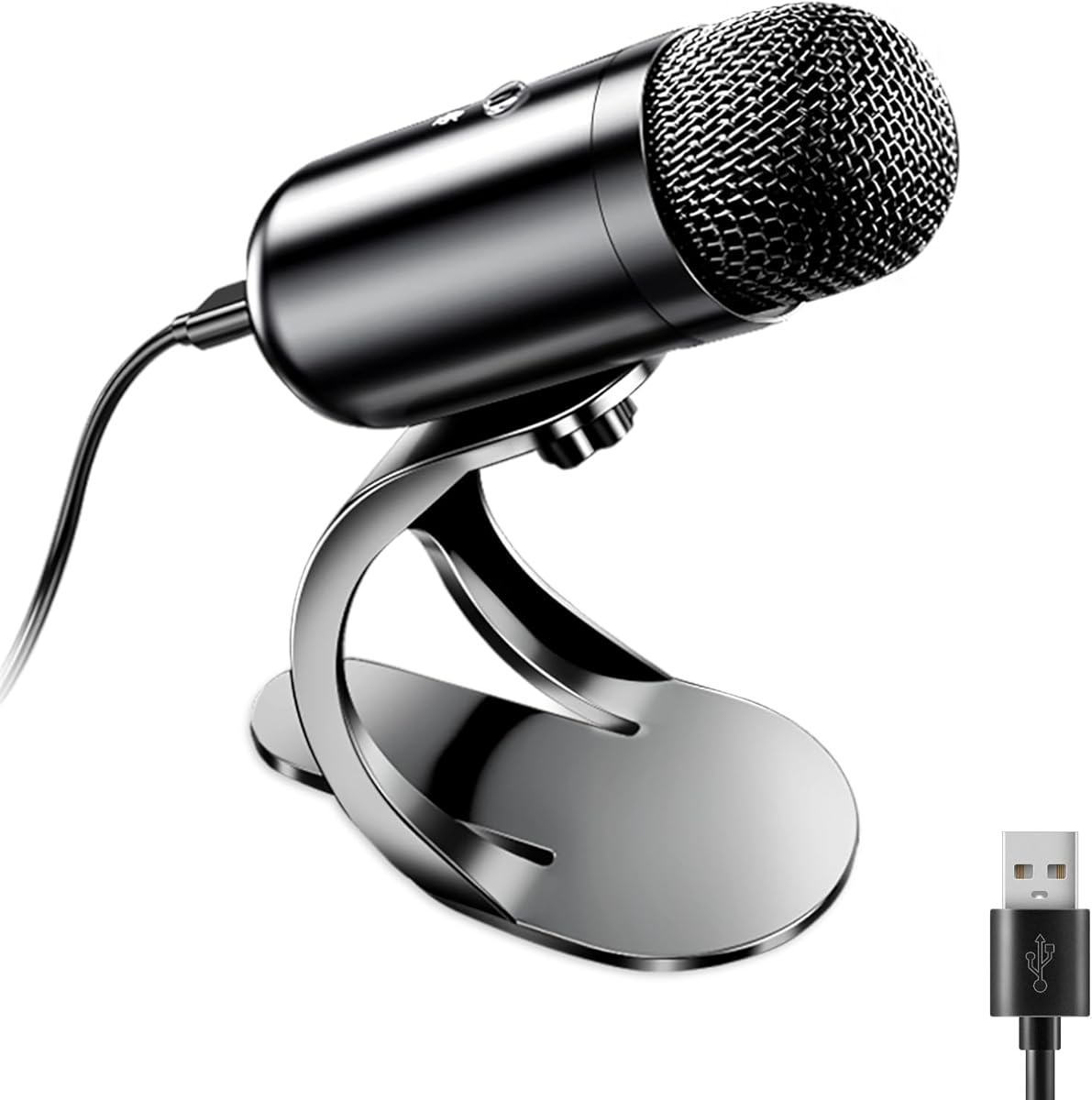
The LIANGSTAR USB microphone represents a specific tier of plug-and-play audio gear designed for content creators who prioritize convenience over studio-grade fidelity. Its omnidirectional condenser capsule and integrated stand with physical controls position it as an all-in-one desktop solution, but understanding its inherent trade-offs is crucial. Buyers should evaluate whether its specific feature set—like the onboard mute button and volume knob—aligns with their workflow versus needing a more directional pickup pattern.
Key Considerations Before Buying
- Omnidirectional vs. Cardioid: This mic's omnidirectional pattern captures sound from all directions, which is great for roundtable discussions but picks up more ambient room noise (like keyboard clicks) than a cardioid USB mic.
- Integrated Stand Limitations: The fixed, non-adjustable stand dictates your microphone placement; if you need to position the mic closer to your mouth or use a boom arm, this design may be restrictive.
- Plug-and-Play Simplicity vs. Control: While USB connectivity offers universal compatibility, it lacks the audio interface adjustability of XLR mics, making the onboard volume and mute your only real-time controls.
What Our Analysts Recommend
For a desktop USB mic in this class, examine the build quality of the mute button and volume knob—these are high-touch points that can fail. Listen for reviews mentioning consistent audio levels without 'popping' (plosives), which a built-in pop filter would mitigate. Genuine reviews often detail specific software (like OBS or GarageBand) compatibility and how the mic performs in real-world, untreated room environments.
Computer Microphones Market Context
Market Overview
The sub-$100 USB microphone market is saturated with options claiming podcast-ready quality, creating a competitive space where features like mute buttons and volume knobs are common differentiators. Brands like LIANGSTAR compete directly with established names like Blue Yeti Nano and Fifine by offering similar physical controls at often lower price points, making performance consistency the true battleground.
Common Issues
Common pain points include USB connectivity issues with specific motherboard chipsets, overly sensitive omnidirectional modes that amplify background fan noise, and flimsy stand construction that transmits vibrations to the capsule. Many users also report confusion about gain control, as USB mics often rely on software adjustments rather than a physical gain knob.
Quality Indicators
Look for consistent mention of clear vocal reproduction without metallic 'tinny' tones—a sign of a decent condenser capsule. Reviews that mention minimal driver installation or clear performance across both Windows and Mac systems indicate robust plug-and-play engineering. A lack of widespread complaints about the mute button failing or the volume knob producing static is a strong positive signal.
Review Authenticity Insights
Grade B Interpretation
A 'Grade B' authenticity rating with an estimated 15% fake review rate suggests the LIANGSTAR's review profile is reasonably trustworthy but requires discerning reading. This grade indicates that while the majority of feedback is genuine, there is a modest level of potentially incentivized or unverified praise that could slightly inflate the perceived rating.
Trust Recommendation
Focus on the verified purchase reviews that describe specific use cases like 'Zoom meetings' or 'Twitch streaming,' as these are more reliable. Be slightly more skeptical of overly effusive 5-star reviews that lack detail, and pay closer attention to the 3- and 4-star reviews, which for this product likely contain balanced insights about noise pickup or build quality.
Tips for Reading Reviews
For this type of product, prioritize reviews that mention testing the omnidirectional mode in a non-studio environment. Look for detailed comments about the mute button's tactile feel and whether the LED indicator is clear, as these are specific, experiential details less likely to be fabricated.
Expert Perspective
The LIANGSTAR microphone presents a compelling value proposition based on its adjusted 4.2/5 rating from authentic reviews, positioning it as a competent entry-level omnidirectional USB mic. Its integrated stand and controls offer notable convenience, but its technical ceiling is defined by the omnidirectional capsule's tendency to capture room ambiance. The high verification rate of genuine reviews suggests the reported user experience—both positive and negative—is a reliable indicator of real-world performance for basic recording and conferencing.
Purchase Considerations
Weigh the convenience of the all-in-one design against your acoustic environment; if your recording space isn't quiet, the omnidirectional pattern may be a drawback. Consider if physical mute/volume controls are essential for your workflow, as this is a key advantage over mics requiring software adjustments. The plug-and-play functionality is a major plus for multi-platform users on PC, Mac, and laptops.
Comparing Alternatives
Shoppers should compare the LIANGSTAR's omnidirectional design with similarly priced cardioid USB mics if voice isolation is a higher priority than capturing room sound.


