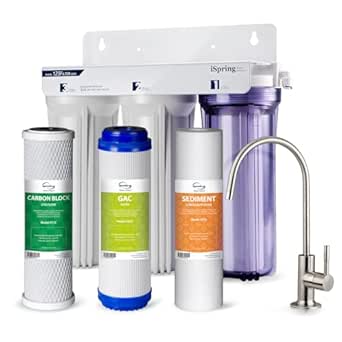
Countertop RO Systems: What to Know About Installation-Free Water Purification
The SimPure Y7P-BW represents a specific niche in water filtration: countertop reverse osmosis systems that require no permanent plumbing modifications. Unlike under-sink RO units that need professional installation, this product offers NSF/ANSI 58 certification in a plug-and-play format, making it particularly relevant for renters or those seeking minimal commitment. Its 4:1 pure-to-drain ratio indicates water efficiency within the countertop RO category.
Key Considerations Before Buying
- Countertop placement requires dedicated space near both a water source and sink drain, unlike under-sink models that hide components in cabinetry.
- The 4-stage filtration process includes sediment, carbon block, RO membrane, and post-carbon polishing—typical for basic RO systems but verify each stage's lifespan against your water usage.
- No installation means you'll manage visible tubing between faucet adapter, unit, and drain, which affects kitchen aesthetics compared to concealed under-sink systems.
What Our Analysts Recommend
For countertop RO systems, prioritize NSF/ANSI 58 certification specifically for reverse osmosis systems, not just component certifications. Examine the drain water ratio—SimPure's 4:1 is standard but some models achieve 2:1. Check replacement filter availability and costs, as proprietary cartridges can become expensive long-term.
Under-Sink Filters Market Context
Market Overview
The countertop RO market has expanded significantly as renters and homeowners seek purification without plumbing modifications. These systems compete with pitcher filters, faucet attachments, and under-sink RO units, occupying a middle ground between convenience and performance. The Canadian market shows particular interest in certified systems due to varying municipal water quality across provinces.
Common Issues
Countertop RO units often face complaints about slow filtration rates (typically 0.5-1 GPM), counter space consumption, and tubing management. Some users report challenges with faucet adapters leaking or not fitting all faucet types. The drain line requires proper placement to prevent splashing or detachment.
Quality Indicators
Beyond NSF certification, examine membrane material (typically thin-film composite), housing construction (BPA-free plastic with sturdy connections), and included accessories quality. Better systems include leak detection, automatic shutoff, and clear filter change indicators. The SimPure's specific certification to NSF/ANSI 58 for system performance (not just components) is a key differentiator.
Review Authenticity Insights
Grade B Interpretation
A Grade B authenticity rating with 10% estimated fake reviews suggests generally reliable feedback with moderate review manipulation. For this specific product, the adjusted rating of 4.20/5 (down from 4.44/5) indicates genuine satisfaction likely sits in the low-4-star range rather than near-perfect scores.
Trust Recommendation
Focus on reviews discussing specific installation experiences with Canadian faucet types and long-term performance in different water hardness conditions. Given the 10% fake rate, be skeptical of reviews that don't mention countertop space, drain setup, or filter replacement specifics—authentic reviews typically address these practical concerns.
Tips for Reading Reviews
Look for reviews mentioning Canadian water conditions, as mineral content affects RO membrane lifespan. Pay attention to comments about the included faucet adapter's compatibility with various Canadian faucet designs, and note any discussions about obtaining replacement filters within Canada.
Expert Perspective
The SimPure Y7P-BW appears to be a legitimate countertop RO option with proper NSF certification—a significant advantage over many uncertified competitors. The 4.20 adjusted rating from 3,572 reviews suggests consistent performance, though the authenticity grade indicates some review inflation. Its value proposition centers on true RO purification without installation, which justifies its premium over simpler carbon filters. The 4:1 drain ratio is acceptable but not exceptional in today's market.
Purchase Considerations
Weigh whether you truly need RO-level purification (for TDS reduction, contaminant removal) versus simpler filtration, as RO systems produce wastewater and require more maintenance. Consider your counter space and tolerance for visible tubing versus under-sink alternatives. Calculate long-term filter replacement costs—approximately $150-200 annually for this 4-stage system.
Comparing Alternatives
Compare with other countertop RO systems like Waterdrop's G3 and APEC's countertop models, plus traditional under-sink RO systems if installation is possible.