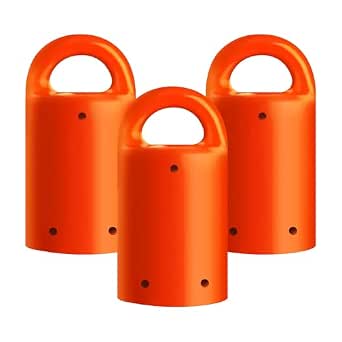
Loose Magnet Stud Finders: What to Know Before You Buy
The DOT Plus Loose Magnet Stud Finder uses a swinging rare-earth magnet to locate drywall screws and the studs behind them, a low-tech approach that sidesteps the false readings that plague electronic stud sensors. Unlike edge-finding scanners, this tool pinpoints the exact fastener location, which matters when you need to hit a stud dead-center for a heavy shelf or TV mount.
Key Considerations Before Buying
- Magnet strength and swing sensitivity are the core performance factors. A weak magnet may fail to grab screws buried under thick layers of paint, texture, or double drywall, so look for reviews that mention reliable pickup through typical wall finishes.
- Confirm what the tool actually includes. Loose-magnet finders are often sold as the magnet alone or with a lanyard, and some buyers expect a level or marking guide that isn't in the box, so read the listing carefully before ordering.
- Consider your wall construction. Magnet finders excel on wood-framed drywall with steel screws but offer little help on concrete, plaster-and-lath, or metal-stud walls, where electronic or other detection methods are better suited.
What Our Analysts Recommend
Quality in this niche comes down to magnet grade and housing durability. Neodymium magnets deliver the strongest hold and are less likely to release mid-swing, while a sturdy housing and secure attachment point prevent the magnet from getting lost in a tool bag. A clearly marked pivot point and consistent swing action are signs of careful manufacturing.
Stud Finders Market Context
Market Overview
The stud finder market is dominated by electronic edge and center finders, but magnetic finders remain a popular niche for pros and serious DIYers who distrust battery-powered sensors. These tools are inexpensive, never need calibration, and work indefinitely, which explains their steady following despite the rise of radar and multi-sensor scanners.
Common Issues
The most frequent complaints with electronic stud finders involve false positives from pipes, wiring, and dense patches of plaster, which can lead to drilling in the wrong spot. Magnetic finders avoid that failure mode but depend entirely on the presence of visible or buried fasteners, so walls finished without screws or covered in thick veneer can defeat them.
Quality Indicators
Look for neodymium magnets rated for strong pull, a pivot design that produces a consistent swing, and housing that won't crack when dropped from a ladder. Reviews that mention finding screws through multiple layers of paint or texture are a good sign the magnet is strong enough for real-world walls.
Review Authenticity Insights
Grade A Interpretation
A Grade A authenticity score with an estimated 5% fake review rate is strong for any Amazon listing, and it means the 5.00-star average is backed mostly by genuine buyer experiences. All 81 reviews are verified purchases, and the adjusted rating of 4.90/5 suggests the score holds up even after discounting the small number of suspicious reviews.
Trust Recommendation
You can treat this listing's review base as reliable, but still scan for the handful of balanced or critical reviews that the analysis flagged as present. Those often reveal practical limitations, such as the magnet struggling on textured walls or the tool arriving without expected accessories, that five-star reviews gloss over.
Tips for Reading Reviews
For a low-cost tool like this, prioritize reviews that describe the specific wall type and fastener situation where it worked or failed. Comments about swing feel, magnet strength through paint, and whether the tool stayed attached to a belt or lanyard are more useful than general praise.
Expert Perspective
The DOT Plus Loose Magnet Stud Finder is a simple, battery-free tool that earns its high rating by doing one job well: locating drywall screws to reveal stud centers. With a 4.90 adjusted rating across verified purchases and a Grade A authenticity score, the feedback pattern is unusually trustworthy for the tools category. Its main appeal is reliability and zero maintenance, though it won't replace an electronic finder for every wall type.
Purchase Considerations
Buy this if you regularly hang heavy items on standard drywall and want a fast, no-calibration way to find screw lines. Skip it if your walls are plaster, concrete, or metal-studded, or if you need to detect studs without visible fasteners, since the magnet has nothing to grab in those cases.
Comparing Alternatives
Compare this against electronic center-finding stud sensors and combination magnetic-and-level tools to see which matches your wall construction and budget before committing.