Future-Proof Your Setup: 8K HDMI 2.1 Cable Insights for Gamers & Streamers
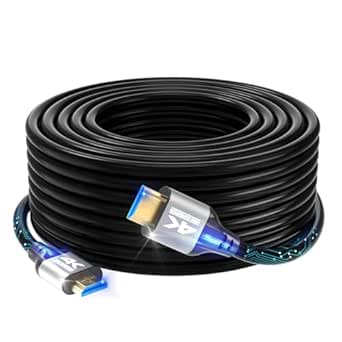
When shopping for an 8K HDMI 2.1 cable like this 10FT model, the key is ensuring it supports the full 48Gbps bandwidth for uncompromised 8K@60Hz or 4K@120Hz performance. This guide focuses on what matters most: cable length, connector quality, and compatibility with your devices, from Xbox Series X to a high-end UHD TV.
Key Considerations Before Buying
- Bandwidth and Resolution: With 48Gbps, this cable handles 8K@60Hz and 4K@120Hz, but ensure your source and display both support these specs—otherwise, you might not see the benefit.
- Length and Signal Integrity: At 10 feet, this cable is ideal for most setups without significant signal loss, but longer runs (over 15 feet) may require active cables to maintain 48Gbps performance.
- Connector Build: Gold-plated connectors resist corrosion and ensure reliable contact, but the cable's shielding and strain relief are equally critical for long-term durability.
What Our Analysts Recommend
For HDMI 2.1 cables, prioritize certified 'Ultra High Speed' labeling to guarantee 48Gbps bandwidth. Check for robust shielding (e.g., triple-layer) to minimize interference from nearby electronics, and look for flexible but durable outer jackets that won't kink during installation.
HDMI Cables Market Context
Market Overview
The HDMI cable market is rapidly evolving with HDMI 2.1 adoption, driven by 8K TVs, next-gen consoles, and high-refresh-rate gaming monitors. Many budget cables claim 48Gbps support but lack certification, leading to inconsistent performance—making verified specs a critical differentiator.
Common Issues
Buyers often face signal dropouts or black screens when using non-certified cables at high bandwidths, especially at longer lengths. Another frequent complaint is misleading marketing, where cables labeled '8K' only support HDMI 2.0 speeds, failing to deliver 4K@120Hz or 8K@60Hz.
Quality Indicators
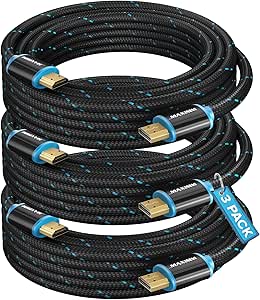
A genuine Ultra High Speed HDMI cable will have a QR code on the package linking to the HDMI Licensing Administrator's certification database. Additionally, well-reviewed cables from reputable brands often feature braided or tangle-resistant jackets and reinforced connector heads, which reduce wear over time.
Review Authenticity Insights
Grade B Interpretation
With a Grade B authenticity rating and an estimated 10% fake review rate, this product's reviews are largely trustworthy but not flawless. The 10% suspicious reviews likely include some overly promotional or incentivized feedback, but the core 4.44 rating is still a reliable indicator of customer satisfaction.
Trust Recommendation
You can generally trust the positive sentiment here, but cross-check a few negative reviews to spot common issues like cable stiffness or connector fit. Given the high volume (6,698 reviews), the adjusted rating of 4.20 suggests the product performs well for most users, despite minor exaggerations in some reviews.
Tips for Reading Reviews
Focus on reviews from verified purchasers that mention specific devices (e.g., 'works with PS5 at 4K@120Hz') and any technical hiccups. Be wary of reviews that only praise 'fast shipping' or 'great value' without detailing actual cable performance in their setup.
Expert Perspective
This 8K HDMI 2.1 cable offers solid value for most consumers, especially given its 10-foot length and gold-plated connectors, which align with typical home theater or gaming setups. The 48Gbps bandwidth ensures it's future-proof for 8K content and high-refresh-rate 4K gaming, though its performance depends on your specific hardware. The strong rating (4.44) and high review count suggest consistent reliability, though the 10% fake review rate warrants a bit of caution.
Purchase Considerations
If you own an Xbox Series X, PS5, or a 4K/120Hz TV, this cable is a cost-effective choice—just verify your devices support HDMI 2.1 features like VRR or eARC. For professional use (e.g., video editing with 8K monitors), you might prefer a certified cable with a braided jacket for added durability.
Comparing Alternatives
Shoppers should compare this cable with certified Ultra High Speed options from brands like Belkin or Zeskit, which often include explicit certification labels but may cost slightly more.