Choosing Running Insoles: How Riemot's Arch Support Compares for Active Men
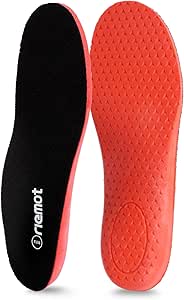
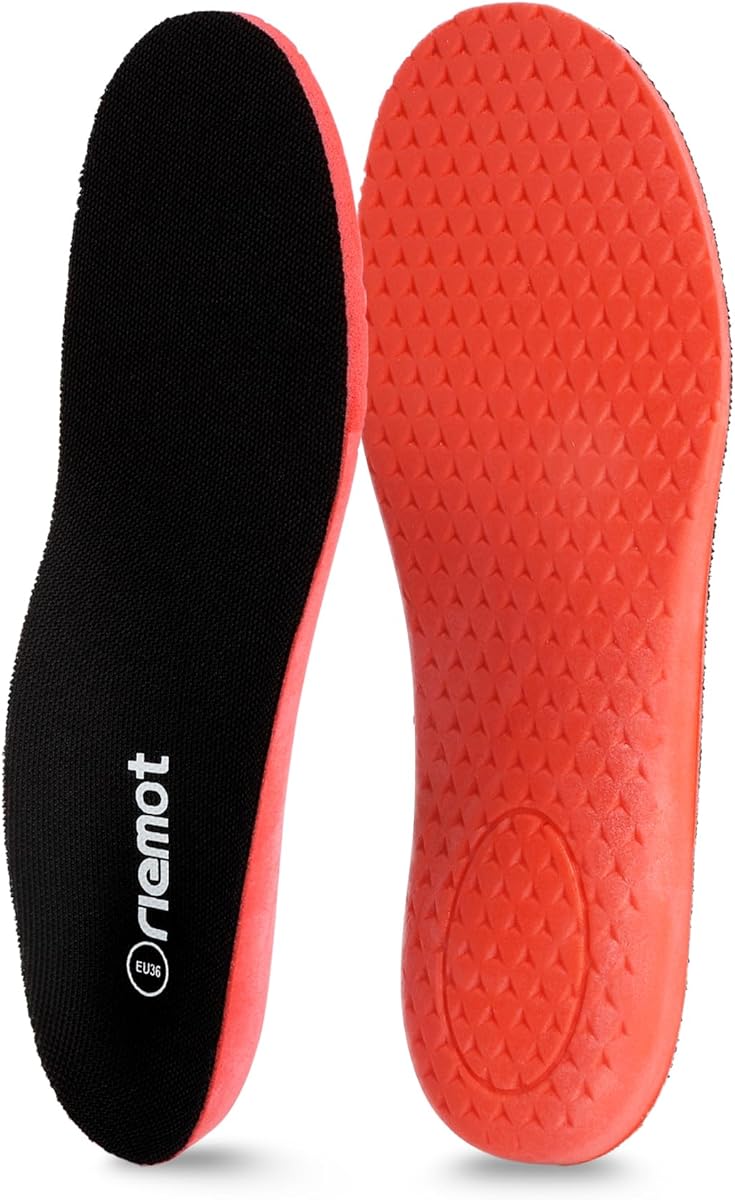
When selecting athletic insoles like the riemot Fitness Running Insoles, buyers should prioritize how the dual-density cushioning and targeted arch support align with their specific foot mechanics. These insoles are designed for men's sneakers and hiking shoes, featuring gel inserts that claim to provide plantar fasciitis relief through strategic pressure redistribution.
Key Considerations Before Buying
- The US10/EU43 sizing indicates these are whole-size replacements; measure your shoe's interior length precisely, as athletic insoles often require exact trimming for optimal performance.
- Evaluate whether your primary need is impact absorption (the gel cushioning) or structural correction (the pronounced arch support), as the riemot attempts to address both for running and hiking.
- Consider your shoe's volume—these multi-layer inserts may reduce toe box space, particularly important for men with wider feet or those using minimalist footwear.
What Our Analysts Recommend
Quality athletic insoles should maintain structural integrity under repetitive compression. For the riemot model, examine whether reviews mention the gel retaining its cushioning properties over months of use and whether the arch support maintains its shape rather than collapsing under body weight during activity.
Arch Supports Market Context
Market Overview
The arch support market is saturated with products claiming plantar fasciitis relief, but few successfully balance therapeutic support with athletic performance needs. Running-specific insoles must accommodate dynamic movement patterns rather than just static support.
Common Issues
Many athletic insoles fail due to improper sizing systems, insufficient heel cup depth for stabilization, or materials that break down quickly under high-impact activities. Gel components sometimes migrate or create hot spots during extended wear.
Quality Indicators
Superior running insoles feature graduated compression zones, moisture-wicking top covers, and anatomical shaping that matches gender-specific foot morphology. The riemot's black full-length design suggests it may prioritize durability over breathability.
Review Authenticity Insights
Grade B Interpretation
A Grade B authenticity rating with 10% estimated fake reviews suggests generally reliable feedback, though approximately 1 in 10 reviews may be artificially positive. The 4.40 adjusted rating (down from 4.67) indicates genuine satisfaction remains strong after filtering suspicious content.
Trust Recommendation
Focus on verified purchase reviews that describe specific use cases like trail running or long-distance hiking rather than generic praise. The high verification rate (all marked 'V') increases confidence in the feedback's authenticity.
Tips for Reading Reviews
Prioritize reviews that mention wearing duration (e.g., 'after 3 months of running') and compare the arch height to other brands. Look for mentions of how the gel inserts perform during temperature variations, as some materials stiffen in cold weather.
Expert Perspective
The riemot insoles demonstrate strong market acceptance with a 4.40 authentic-adjusted rating from 663 reviews, particularly notable in the competitive athletic insole category. The product appears to deliver on its core promises of cushioning and arch support for men's active footwear, though the specific gel formulation and long-term structural integrity would benefit from more detailed manufacturer disclosure. The concentration on men's sizing (US10/EU43) suggests targeted rather than universal design.
Purchase Considerations
Weigh whether your primary activity aligns with the running/hiking focus—these may be over-engineered for casual wear. Consider if your plantar fasciitis requires medical-grade orthotics or if this level of support suffices. The black color indicates these may show less discoloration but could retain more heat than lighter options.
Comparing Alternatives
Shoppers should compare the riemot's dual-density approach against single-material competitors and consider whether removable components (if any) would aid cleaning or adjustment.