Choosing 6-mil nitrile gloves: thickness, chemical resistance, and durability balance
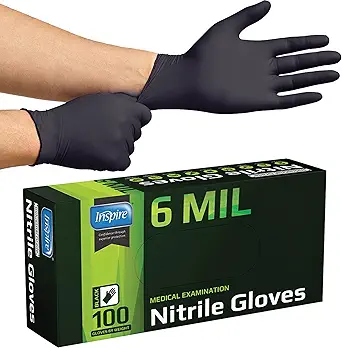
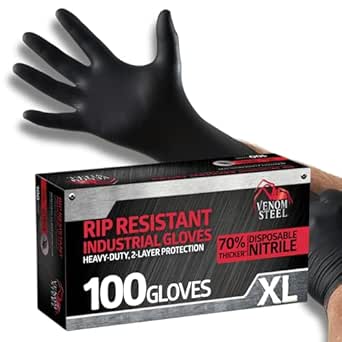
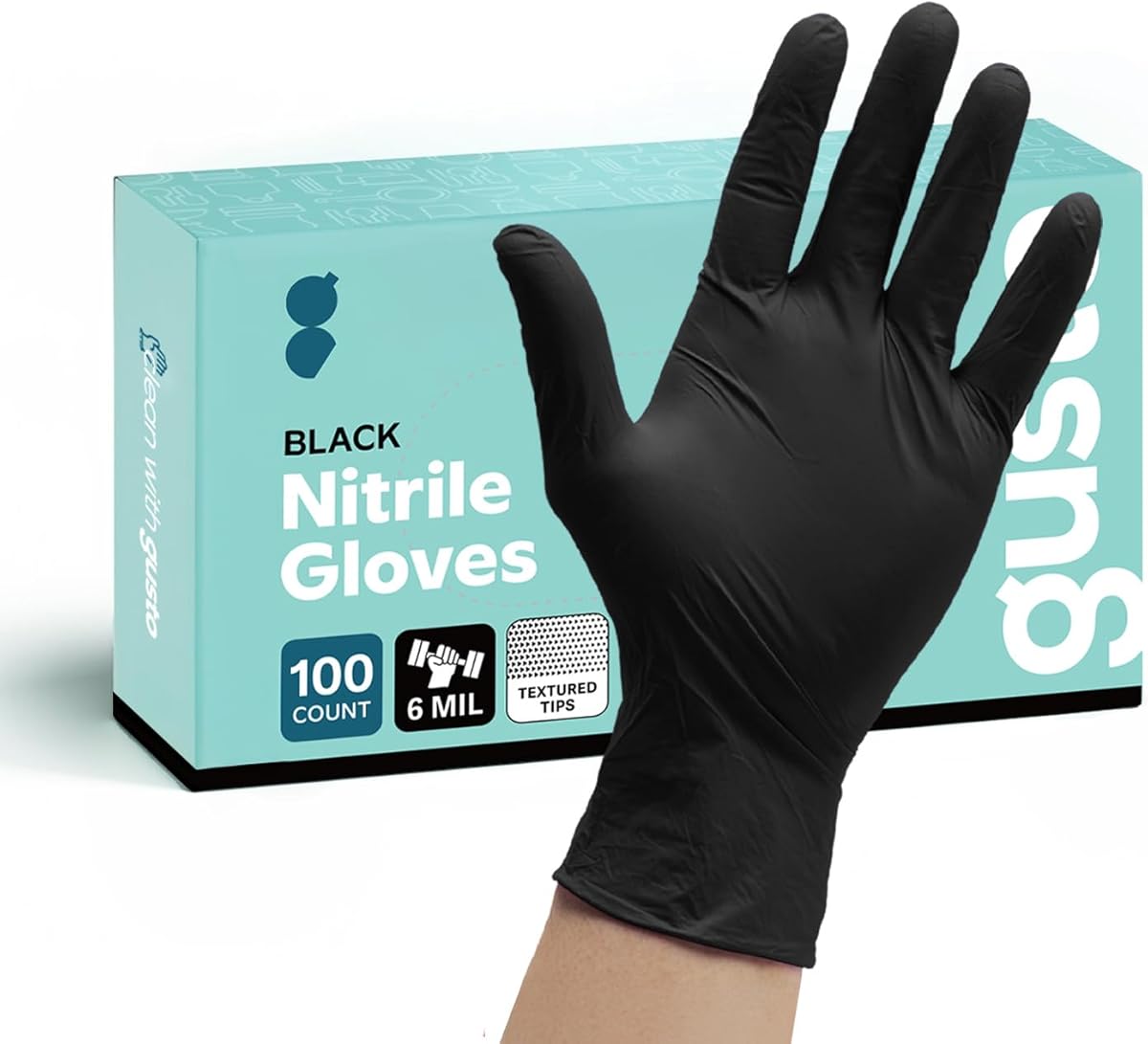
When selecting 6-mil black nitrile gloves like these, buyers should understand that the 'extra strength' claim hinges on proper nitrile formulation and manufacturing consistency. The textured fingertips and powder-free features indicate these are designed for both grip-sensitive tasks and environments where powder contamination is a concern, such as automotive work or chemical handling.
Key Considerations Before Buying
- Verify the specific chemical resistance profile—6-mil nitrile should offer substantial protection against oils, solvents, and many acids, but check for ASTM D6978 certification for medical/industrial use.
- Assess thickness consistency across the glove; uneven 6-mil construction can create weak points during chemical exposure or mechanical stress.
- Consider the cuff design and donning ease—powder-free nitrile gloves with textured fingertips often require specific manufacturing to maintain donning reliability without internal coatings.
What Our Analysts Recommend
Quality indicators include consistent black pigmentation (which often indicates higher-grade nitrile compounds), uniform texture patterning on fingertips that doesn't compromise tactile sensitivity, and absence of pinholes or seam irregularities. Premium 6-mil nitrile should maintain flexibility despite its thickness, resisting the stiff, cardboard-like feel of inferior formulations.
Chemical Resistant Gloves Market Context
Market Overview
The Canadian market for 6-mil chemical-resistant nitrile gloves has expanded significantly post-pandemic, with increased demand from automotive, cleaning, and light industrial sectors seeking latex-free alternatives. Black nitrile specifically has gained popularity for hiding grime and providing a professional appearance in customer-facing trades.
Common Issues
Common problems include inconsistent thickness (where advertised 6-mil measures thinner in key stress areas), premature degradation when exposed to specific chemicals like ketones or concentrated acids, and sizing discrepancies where gloves run unusually large or small despite standard sizing charts.
Quality Indicators
Look for manufacturers who specify their nitrile compound's origin and ASTM testing standards. Quality 6-mil gloves will maintain tensile strength above 14MPa and demonstrate consistent elongation properties—superior products often include lot numbers and manufacturing dates for traceability.
Review Authenticity Insights
Grade B Interpretation
A Grade B authenticity rating with 15% estimated fake reviews suggests generally reliable feedback, though approximately 1 in 7 reviews may be artificially positive. The adjusted 4.10/5 rating (down from 4.44) indicates genuine satisfaction sits slightly below the surface average.
Trust Recommendation
Focus on reviews discussing specific chemical exposures (like brake fluid or cleaning solvents) and long-term durability observations—these detailed accounts from Canadian users are more likely authentic. Be slightly skeptical of reviews emphasizing only packaging or delivery speed without substantive performance comments.
Tips for Reading Reviews
Prioritize Canadian reviewers mentioning temperature performance in workshop conditions, as nitrile flexibility varies significantly in cold environments. Look for balanced critiques addressing texture effectiveness on small parts or chemical resistance limitations—these nuanced perspectives typically indicate genuine use.
Expert Perspective
With 22,389 reviews maintaining a 4.10 adjusted rating despite 15% questionable feedback, these gloves demonstrate substantial market validation. The high review volume with specific usage scenarios suggests reliable performance for common applications like automotive maintenance, painting, and chemical handling. The textured fingertips and powder-free features align with professional user preferences, though the thickness consistency warrants verification through detailed reviews.
Purchase Considerations
Weigh the 6-mil thickness against your dexterity requirements—while offering superior chemical protection, this thickness can reduce fine tactile sensitivity compared to 4-mil alternatives. Consider whether the black coloration suits your needs (hides stains but can mask contamination inspection) and verify sizing against your specific hand measurements.
Comparing Alternatives
Shoppers should compare these against 8-mil nitrile gloves for heavy chemical exposure or 4-mil alternatives for tasks requiring greater dexterity with moderate protection.